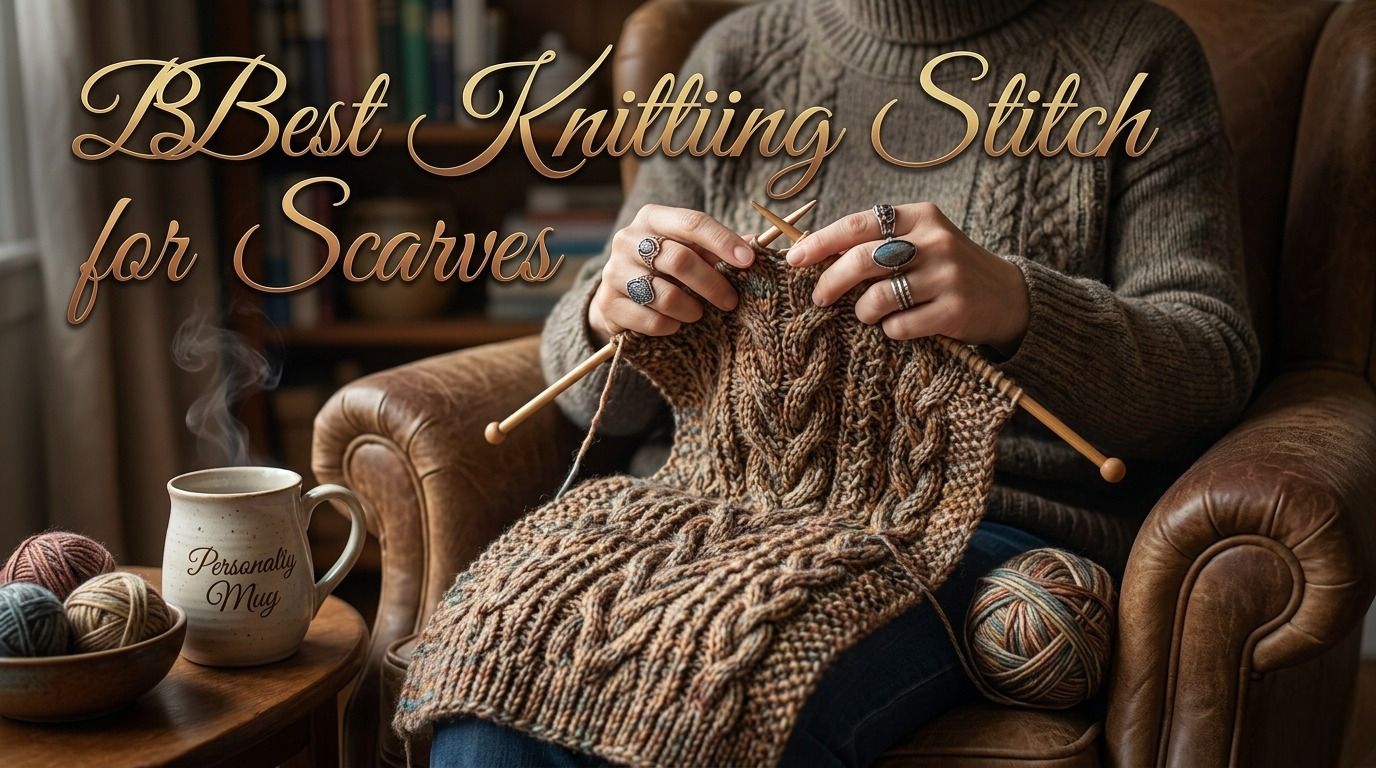
Best Knitting Stitch for Scarves: Easy Beginners Guide
When planning a scarf project, choosing the best knitting stitch for scarves can completely change how the finished piece looks, feels, and wears. It affects softness, warmth, drape, and long-term comfort against the skin.
Even the simplest yarn behaves differently depending on stitch structure. Some stitches create a dense, cozy fabric. Others produce a lighter, more flexible feel. This is why experienced knitters rarely choose a pattern based on appearance alone. They consider how the stitch will perform in real use.
In this guide, we’ll look at beginner-friendly and textured options so you can confidently match your stitch choice with your yarn type, skill level, and the kind of scarf you want to create.
Also Read: How to Read Knitting Patterns? Beginners Guide
Why Choosing the Right Knitting Stitch Matters for Scarves
When knitting scarves, the stitch you choose determines how the fabric feels against your skin and how well it holds its shape over time. Stitch structure directly influences fabric behavior, so selecting the right technique is key to designing scarves that are both beautiful and practical.
Scarves are among the most forgiving and creative projects you can make. However, they come with unique demands that beginners often underestimate.
Scarves are:
Also Read: How Long Does It Take to Knit a Scarf? Time Guide
This is where stitch differences become noticeable. A pattern that looks beautiful on paper might curl at the edges, feel dense, or stretch unevenly when worn. Well-chosen stitches create a smooth balance of comfort, durability, and visual appeal.
For example, garter stitch produces a soft, squishy fabric that never curls, while seed stitch adds subtle texture with a stable, reversible finish. Ribbing brings stretch and structure, making scarves feel snug and secure, and stockinette offers a smooth surface but may need edge support to prevent curling.
Rather than seeing stitch choice as just a design detail, view it as a functional decision. You shape not only how the scarf looks but also how it behaves, drapes, and how enjoyable it is to knit over long sessions.
Top 5 Best Knitting Stitches for Scarves
Before diving into each stitch, here’s a quick overview of the most reliable knitting stitches for scarves. These patterns are beginner-friendly, easy to memorize, and produce beautiful results without shaping complications.
Each of these stitches creates a different fabric personality, from cozy and chunky to sleek and refined.
In the end, the best knitting stitch for scarves is the one that fits your yarn, your skill level, and the experience you want while knitting. When those three elements align, the result is a scarf that feels just as good to make as it does to wear.
Garter Stitch – The Ultimate Beginner-Friendly Scarf Stitch
Garter stitch is widely considered the best knitting stitch for scarves for beginners because it is simple, forgiving, and easy to memorize. It is created by knitting every row, making it one of the most accessible simple knitting stitches for scarves.
Also Read: What is Garter Stitch in Knitting? Easy Knitting Explained
Why Garter Stitch Works So Well for Scarves
When to Choose Garter Stitch
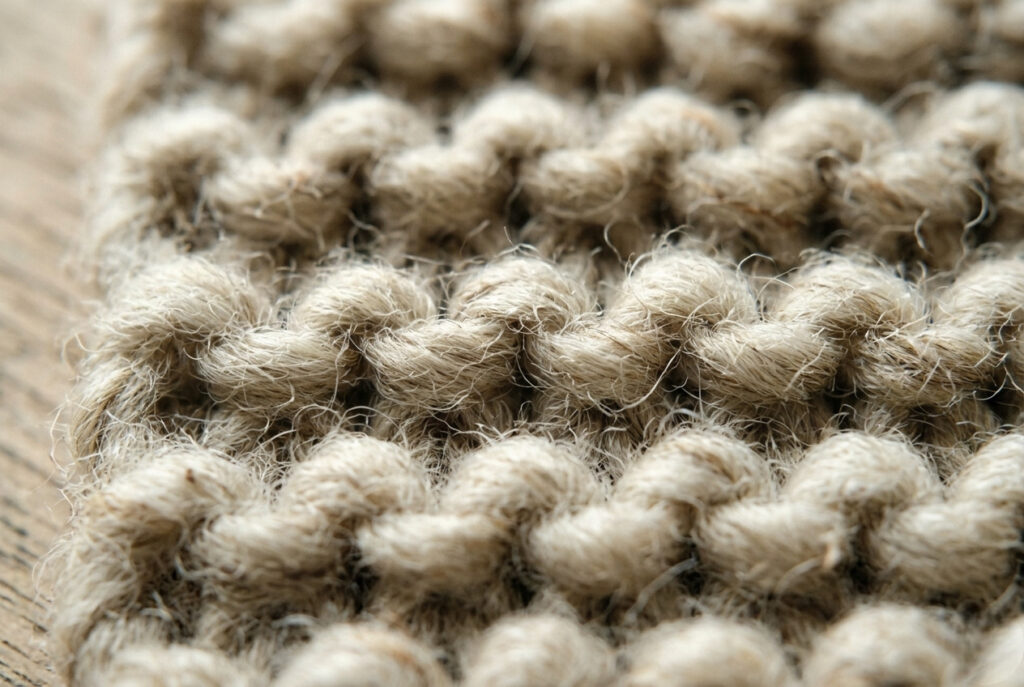
A garter stitch scarf in solid or ombre yarn often looks far more luxurious than expected, even though it is one of the easiest knitting patterns you can make.
Also Read: How to Cast on Knitting with Two Needles: A Complete Guide
Seed Stitch – Reversible Texture for Cozy Scarves
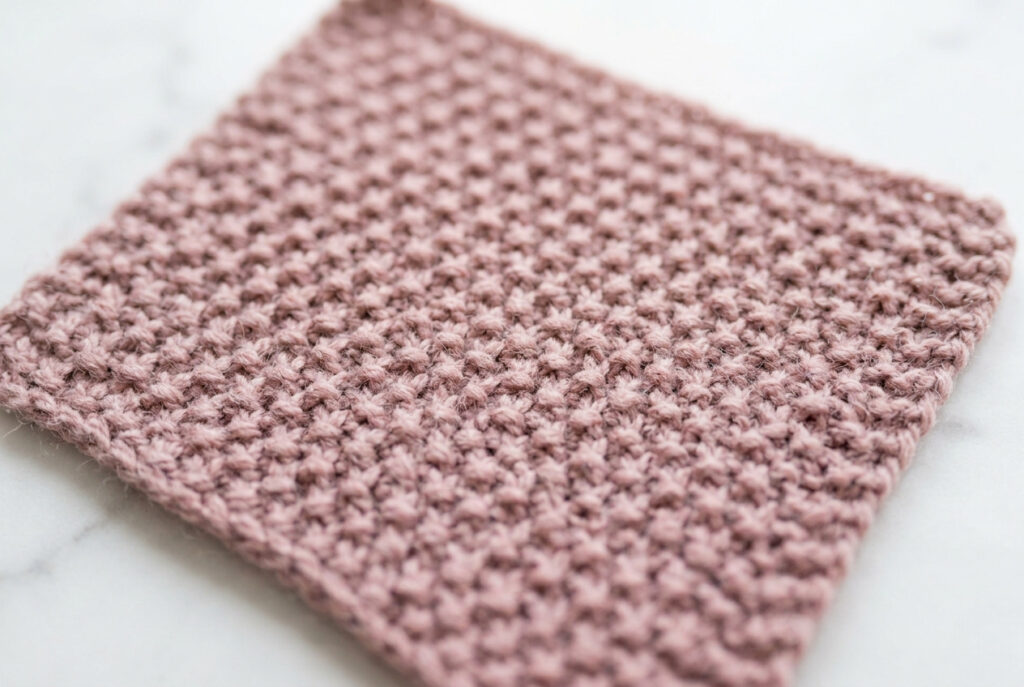
Seed stitch is a simple yet visually interesting pattern that creates a beautifully textured fabric. It is often considered one of the best reversible knitting stitches for scarves because it looks almost identical on both sides.
How Seed Stitch Works in a Scarf
Seed stitch alternates knit and purl stitches in a structured pattern:
This alternating structure creates a subtle, dotted texture resembling a soft checkerboard effect. The pattern is easy to memorize after a few rows, making it a great choice for beginners exploring knitting stitches for scarves.
Also Read: How to Use Stitch Markers for Knitting: Easy Guide
Why Seed Stitch Works So Well
Why Knitters Love Seed Stitch Scarves
Seed stitch is perfect when you want a scarf that feels more detailed than garter stitch but remains beginner-friendly. It produces a handcrafted look without requiring advanced techniques like lace or cables.
A seed stitch scarf in a heathered or speckled yarn often looks far more complex than it actually is, making it a favorite among knitters who want subtle texture with minimal effort.
Ribbing (1×1 and 2×2) – Stretchy and Snug Scarf Stitch
Ribbing is a classic beginner knitting stitch for scarves that creates a flexible, elastic fabric. It is widely used in garments because it stretches easily and returns to shape, making it perfect for scarves that need both comfort and structure.
How Ribbing Works in a Scarf
Ribbing is created by alternating knit and purl stitches in a consistent pattern:
Both versions create vertical columns that provide the fabric with stretch and structure.
Why Ribbing Works So Well for Scarves
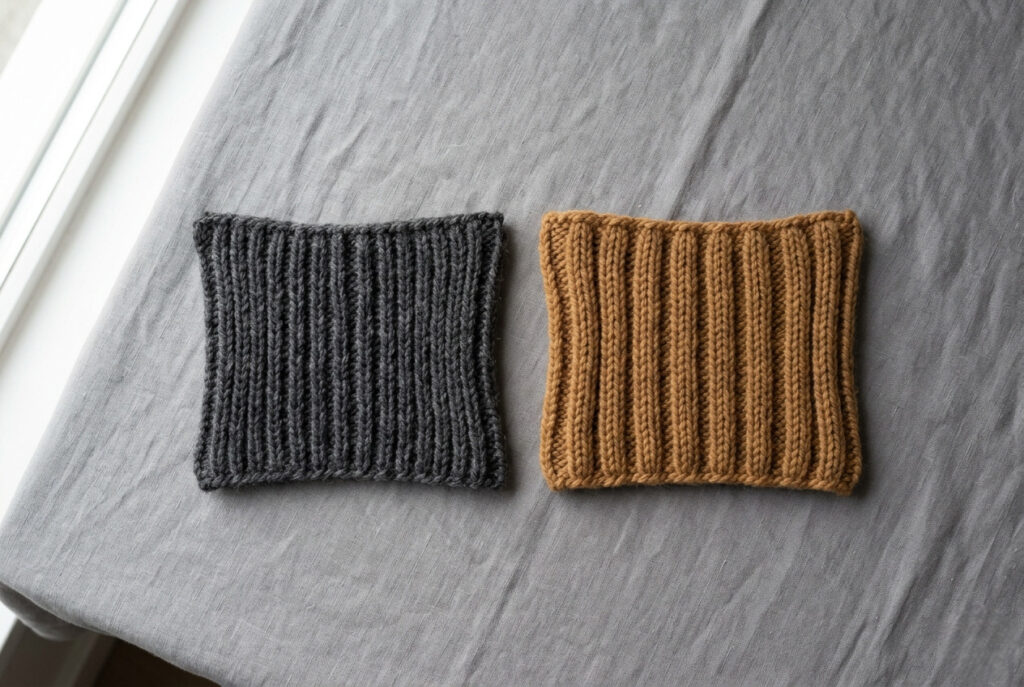
When to Use Ribbing
Ribbed scarves are a great choice when you want:
Easy Variations to Try
Once comfortable with basic ribbing, try exploring:
Ribbing is simple, versatile, and one of the most practical cozy scarf knitting patterns for both beginners and experienced knitters.
Also Read: What Is Edge Stitch in Knitting? Easy Guide
Stockinette Stitch – Smooth and Drapey (with Important Caveats)
Stockinette stitch is a classic knitting pattern created by alternating knit one row and purl one row. It produces a smooth, V-shaped fabric commonly seen in sweaters and lightweight garments. In cozy scarf knitting patterns, it is valued for its elegant drape and soft finish.
Pros of Stockinette Stitch for Scarves
The Main Challenge: Curling Edges
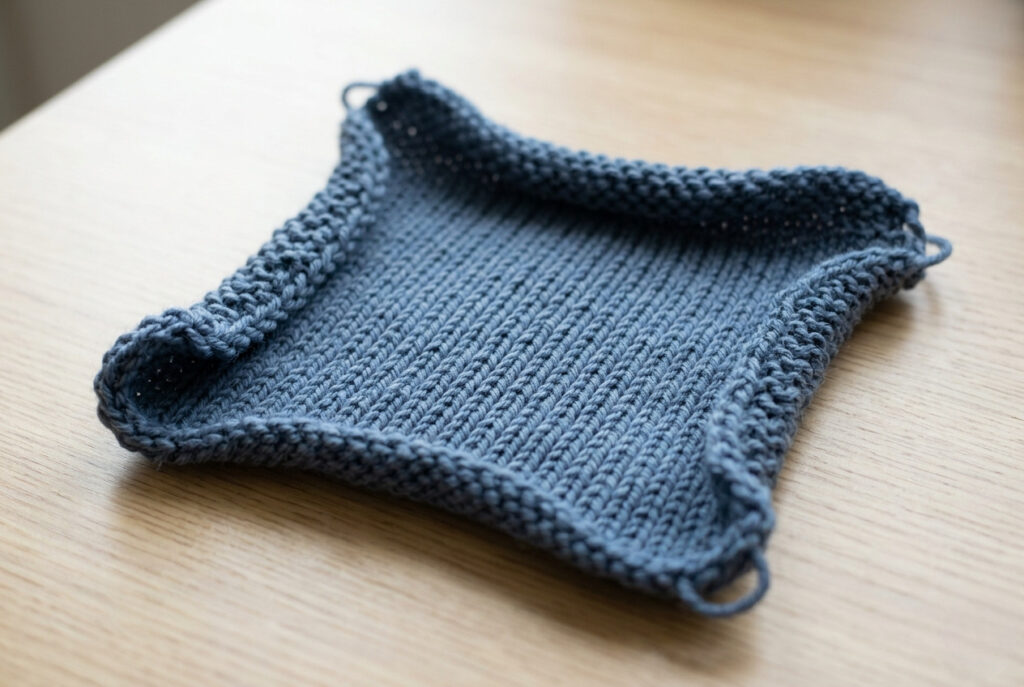
Stockinette naturally curls at the edges because of the imbalance between knit and purl stitches.
How to Fix or Manage Curling
Also Read: How to Block a Knitted Scarf: 5 Easy Steps
When to Use Stockinette Stitch
Stockinette is ideal if you want:
Linen Stitch & Double Stockinette – Underrated Favorites
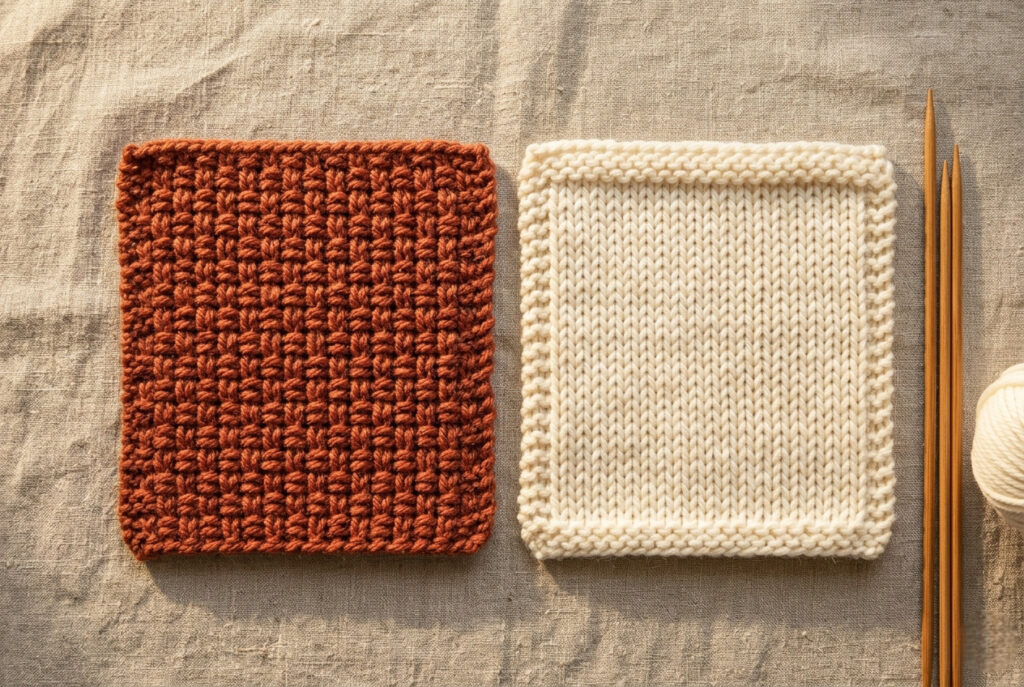
Linen stitch and double stockinette are slightly more advanced knitting stitches for scarves, but both create beautiful, high-quality fabrics worth learning once you’re comfortable with the basics.
Also Read: How to Change Colors While Knitting? Beginners Tips
Linen Stitch – Dense and Woven Texture
Linen stitch creates a tightly woven, basket-like fabric by alternating knit stitches with slipped stitches across rows. This produces a dense, structured texture that feels strong and durable.
Key features:
A linen stitch scarf feels substantial, warm, and almost handwoven. It is ideal for knitters who want a textured, artisan-style result.
Double Stockinette – Smooth and Fully Reversible
Double stockinette is created by working two layers of stockinette simultaneously. This produces a thick, smooth fabric with no visible purl bumps.
Key features:
It takes more time to knit due to its double-layer structure, but the result is a luxurious scarf with a professional finish.
When to Choose These Stitches
These stitches are ideal if you want:
How to Choose the Best Knitting Stitch for a Scarf
There’s no single perfect stitch for every scarf. The best knitting stitch depends on practical factors, like your yarn, the season, your skill level, and the style you want. Understanding these helps you pick a stitch that looks good and feels right to wear.
1. Yarn Weight and Fiber
Your yarn choice has the biggest impact on how a stitch behaves.
Also Read: Best Yarn for Scarves: Top Picks 2026
2. Seasonal Use
Consider when and how you will wear the scarf.
3. Skill Level
Choose a stitch that matches your comfort level to keep the project enjoyable.
Also Read: What Size Needles for Beginner Knitting: 6 Easy Tips
4. Style and Function
Your personal style matters just as much as technique.
Quick Checklist (Save This)
Helpful Tips for Faster and Easier Scarf Knitting
Even the best knitting stitch for scarves can feel slow if your setup isn’t working. These simple tips will help you knit faster, stay consistent, and enjoy the process.
1. Use Thicker Yarn and Bigger Needles
To knit a scarf faster, switch to bulky or worsted yarn and larger needles (around 5.5–6 mm). Thicker yarn creates bigger stitches, so your scarf grows faster.
2. Stick to Simple, Repeatable Stitches
Easy knitting stitches for scarves, like garter stitch, seed stitch, or ribbing, are quick to memorize. This lets you knit without checking your pattern constantly, saving time and effort.
3. Knit in Short, Consistent Sessions
Scarves are perfect for knitting on the go. Even 10–15 minutes a day adds up and helps you finish projects faster without feeling overwhelmed.
4. Keep Your Tension Even
Consistent tension makes your stitches smoother and prevents uneven edges, so you won’t need to redo sections later.
5. Use Leftover or Multicolor Yarn
Scrap yarn works beautifully in simple scarf patterns. Garter and seed stitch, in particular, make it easy to switch colors and create cozy, unique scarf designs.
Also Read: How to Add New Yarn to Knitting? Step-by-Step
Beginner-Friendly Scarf Pattern Ideas Using These Stitches
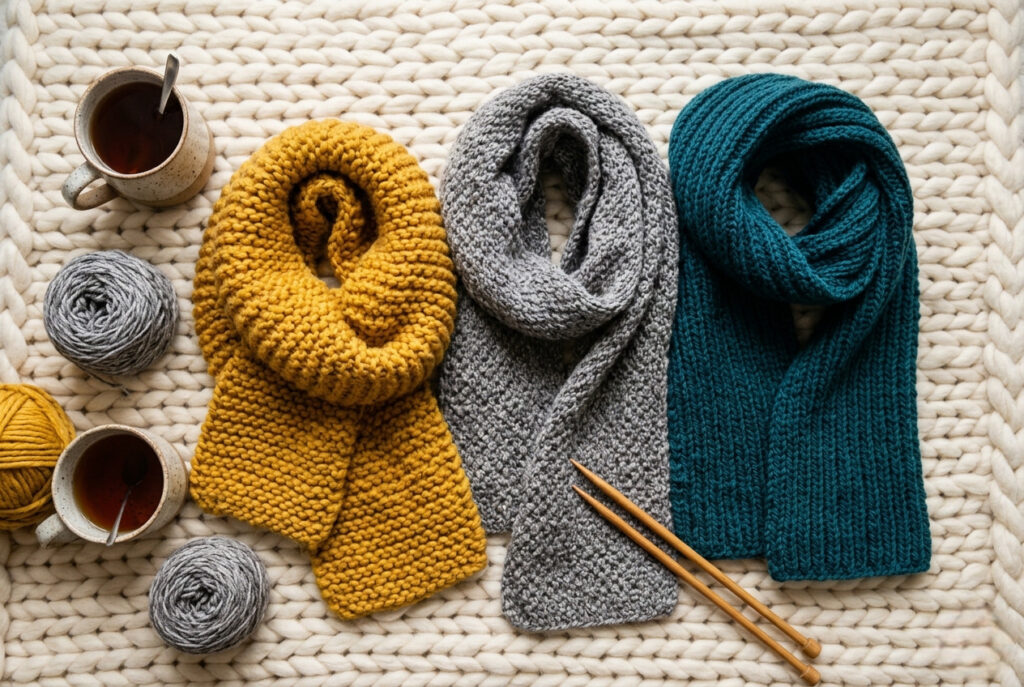
If you’re ready to start knitting, these easy scarf patterns are perfect for beginners. Each uses simple, repeatable stitches and works well with common yarn weights.
1. Classic Garter Stitch Scarf
One of the easiest knitting stitches for scarves — perfect for complete beginners.
This creates a soft, cozy scarf with no curling edges.
Also Read: How to Finish a Knitting Project: A Complete Guide
2. Seed Stitch Scarf (Textured & Reversible)
A great beginner knitting stitch for scarves with added texture.
This stitch gives a balanced, reversible fabric that looks great on both sides.
3. Ribbed Scarf (Stretchy & Snug)
Ideal for cozy scarf knitting patterns that hug the neck.
Ribbing adds stretch and warmth, making it perfect for winter wear.
Pro tip: These beginner scarf patterns work well as standalone projects or starting points. You can customize them with different yarns, colors, or lengths as your skills grow.
Also Read: How to Do a Long Tail Cast On Knitting? Easy Guide
FAQs: Best Knitting Stitch for Scarves
Final Thoughts: What Really Makes the Best Knitting Stitch for Scarves
Finding the best knitting stitch for scarves isn’t about choosing the most complex pattern but picking what works for your yarn, style, and skill level.
If you had to choose just one, garter stitch is hard to beat. It’s simple, stretchy, and beginner-friendly. Close behind are seed stitch for its soft texture and ribbing (1×1 or 2×2) for warmth and flexibility. All three are easy knitting stitches for scarves and work beautifully for cozy everyday wear.
That said, the best stitch ultimately depends on your project. A chunky garter-stitch scarf feels very different from a lightweight, reversible seed-stitch design or a snug ribbed neck warmer. Each creates a unique texture, drape, and finish.
As you knit more, you’ll notice how different stitches behave, and that’s where things get interesting. The goal isn’t to just follow patterns but to choose stitches that feel enjoyable to knit and result in scarves you love to wear.
Also Read: How to Knit a Hat with Straight Needles? Beginner’s Guide