Top 10 Best Knitting Books for Beginners 2026
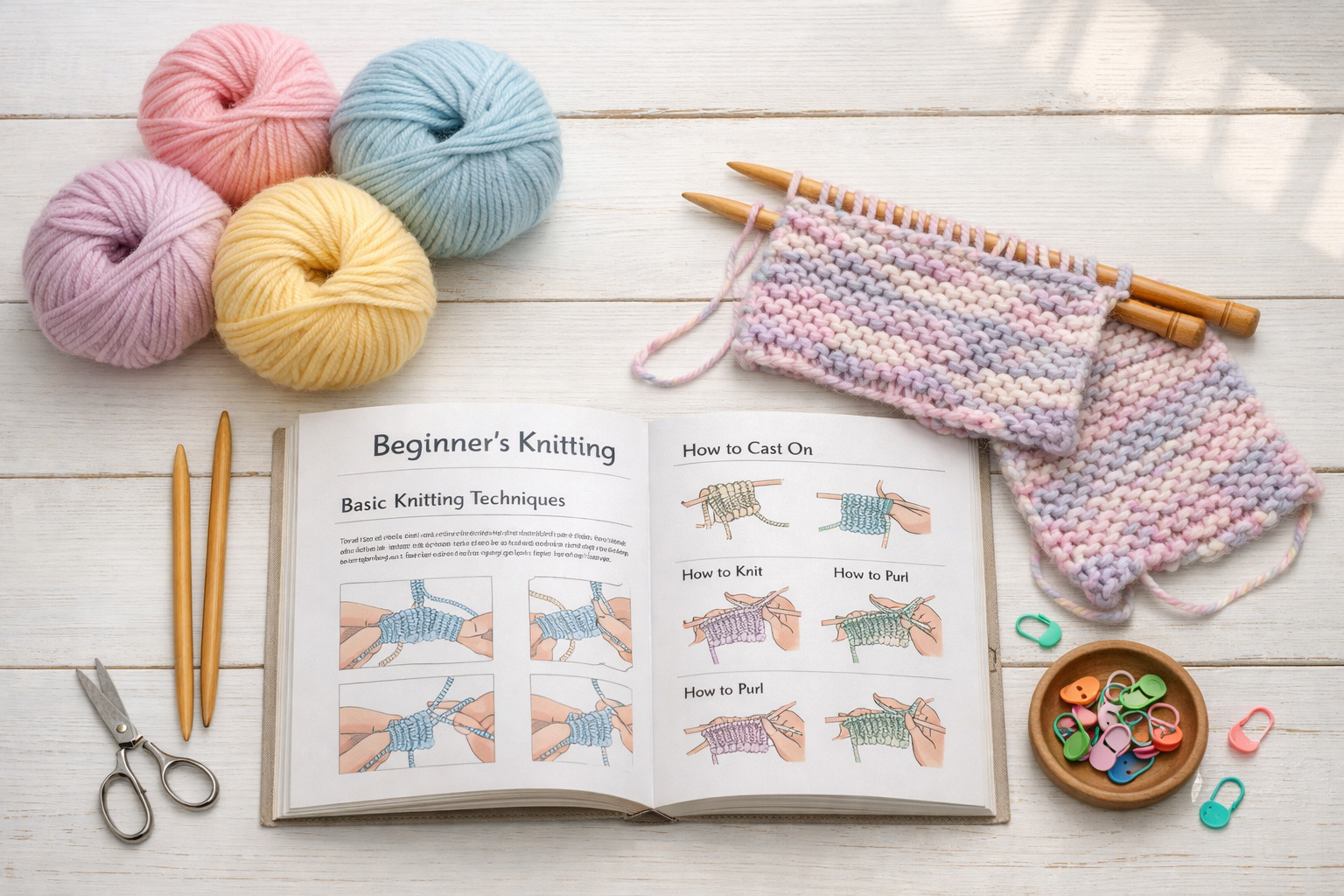
Starting knitting can feel overwhelming, with needles, yarn types, stitches, and patterns to learn at once. Choosing the best knitting books for beginners makes the process easier by providing clear instructions, helpful photos, and simple projects that build confidence.
The right beginner knitting book teaches essential skills like knit and purl stitches, explains common mistakes, and guides you through projects you can finish. In this guide, you’ll find trusted beginner knitting books, honest reviews, and practical tips to help you learn faster and enjoy knitting from your first stitch.
Why You Need Knitting Books as a Beginner
Many beginners rely only on YouTube tutorials, but knitting books offer structured learning that videos often lack. The best knitting books for beginners teach the basics of yarn, gauge reading, and essential tools without assuming prior knowledge.
Quality beginner knitting books use clear, close-up photos, step-by-step diagrams, and forgiving projects like scarves or blankets to build confidence gradually. They also include troubleshooting tips, free beginner patterns, and reference sections you can return to as your skills grow—making them a reliable foundation for learning to knit the right way.
Also Read: How Long Does It Take to Knit a Scarf? Time Guide
Top 10 Best Knitting Books for Beginners
Below are the most recommended knitting books based on expert reviews, knitting communities, and beginner feedback.
1. Vogue® Knitting: The Ultimate Knitting Book — Best for Long-Term Skill Growth

This book is for knitters who want to go past the basics and really get how stitches work. With hundreds of stitch types, easy-to-follow charts, and pictures, it helps readers see how stitches work and read patterns with confidence.
It is a great choice for anyone looking for the best knitting books for beginners who want to learn more about their craft.One thing to know: the book does not include step-by-step beginner projects, which might feel a bit hard for those just starting to knit.
Using it alongside a guide with simple projects can make learning much easier. All in all, this is a trusty resource that will grow with knitters who have mastered the basics and are ready to stretch their skills even further.
Pros
Cons
2. Patty Lyons’ Knitting Bag of Tricks — Best for Fixing Mistakes

This book invites knitters to overcome everyday hurdles and infuse their creations with a spark of originality. With easy-to-follow tips and clever techniques, readers can master smoother stitches and confidently face knitting challenges.
It serves as a friendly guide for beginners, making it a valuable addition to the best knitting books for beginners. The main downside is that it does not include complete beginner projects or step-by-step lessons, so people who are brand new to knitting might need a different book to start before trying these tips.
All in all, this book is a smart, solution-focused companion that adds a creative edge to traditional knitting resources.
Pros
Cons
3. The Knitting Book—Best for Learning Techniques

This book has over 250 techniques with easy, step-by-step instructions. Beginners can learn basic skills like starting a project, knitting, purling, and shaping by following clear pictures.
It is a comprehensive guide and a valuable addition to the Best Knitting Books for Beginners. The main downside is the sheer amount of information, which can feel overwhelming if you are new to knitting.
Using it alongside a book with full projects can help you practice and remember what you learn. Overall, it’s a thorough, instructional resource that supports skill growth and confidence.
Pros
Cons
4. Vogue Knitting: The Ultimate Knitting — Best All-Purpose Reference
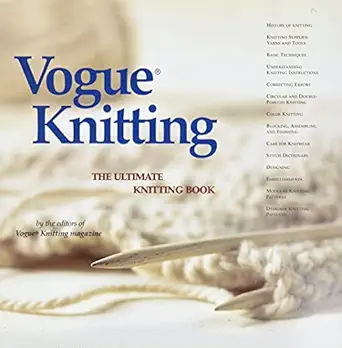
This edition of Vogue Knitting provides an extensive reference for knitters of all levels. Full of stitch patterns, diagrams, and tips, it helps readers understand the fundamentals while exploring more complex techniques. It is great for anyone looking to expand their skills using the best knitting books for beginners as a long-term learning resource and to improve their knitting over time.
The main downside is that it does not give much help with beginner projects, so people who are just starting might feel a bit lost at first.
Overall, it’s a valuable companion for knitters who want a detailed, well-illustrated reference that grows with them over time.
Pros
Cons
5. Stitch ’n Bitch — Best Friendly Knitting Guide for Beginners

Debbie Stoller’s handbook weaves together playful, welcoming prose with clear, practical knitting guidance. With its essential techniques and inviting beginner projects, this book stands out as a warm introduction to knitting and is considered one of the Best Knitting Books for Beginners.
The friendly, chatty style turns learning into a relaxed, enjoyable experience.The main drawback is that its laid-back style might not suit everyone, and seasoned knitters could find themselves craving more advanced challenges.
Overall, this book is a wonderful match for newcomers seeking step-by-step support delivered with warmth and personality.
Pros
Cons
6. A-Z of Knitting — Best Complete Knitting Reference

This A-Z guide offers comprehensive explanations of every stitch, tool, and technique, making it an excellent resource for beginners and one of the Best Knitting Books for Beginners. It helps new knitters build a solid foundation and approach new patterns with confidence.
The only downside is the book’s size. It can feel large and packed with information, which might make first-time knitters a bit overwhelmed.
Overall, it’s a comprehensive guide you can keep using as you learn, helping you build strong foundational skills.
Pros
Cons
7. The Complete Photo Guide to Knitting — Best Visual Knitting Book

This book uses clear photographs to demonstrate each knitting technique, making it excellent for visual learners. It’s perfect for beginners seeking hands-on guidance and a visual reference in the best knitting books for beginners category.
The main downside is that some instructions assume you already know a bit about knitting, so brand-new people might want to use an easier, project-focused book as well.
Overall, it’s an outstanding visual resource for building confidence and learning the basics effectively.
Pros
Cons
8. Knitting for Dummies — Best Knitting Book for First-Timers

This beloved guide gently leads absolute beginners through the essentials, offering clear, step-by-step instructions and approachable projects.
It is considered one of the Best Knitting Books for Beginners and is ideal for anyone starting their knitting journey. The only small downside is the somewhat old-fashioned design, but the instructions themselves are as clear and helpful as ever.
Overall, this book is a trustworthy companion for anyone picking up knitting needles for the first time.
Pros
Cons
8. Knitting for the Absolute Beginner — Best Zero-Experience Guide

This book gently leads absolute beginners into the world of knitting, offering easy-to-follow projects that anyone can complete. It is considered one of the Best Knitting Books for Beginners, with each technique broken down into clear, bite-sized steps, making it a welcoming choice for those just picking up their first pair of needles.
The main drawback is its focus on the basics, so those eager to advance their skills may find themselves searching for more challenging material before long.
Overall, this is a wonderful starting point that helps new knitters grow their confidence and master the essentials.
Pros
Cons
10. Knitting For Beginners: The A-Z Guide — Best for Structured Learning
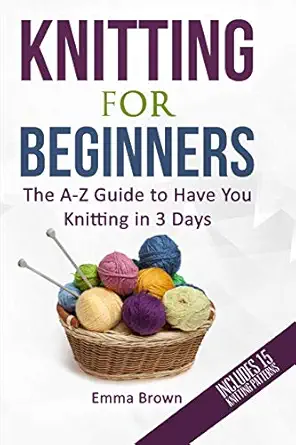
This guide gently leads absolute beginners through every essential technique and stitch, offering a clear, step-by-step path to learning. It is considered one of the Best Knitting Books for Beginners, making it a wonderful companion for those starting their first creative projects.
Some readers may find the text a bit dense, especially if they prefer learning visually, but helpful illustrations do bring the techniques to life.
Overall, this is a dependable and thorough guide that encourages new knitters to build their skills with confidence.
Pros
Cons
What Makes the Best Knitting Books for Beginners?
Not all knitting books are truly beginner-friendly. The best knitting books for beginners are designed to teach skills progressively, reduce confusion, and build confidence from the very first project. When choosing a beginner knitting book, these key features matter most:
Clear Photos and Diagrams
High-quality, close-up photos make a major difference for new knitters. Visual guides help beginners understand stitch structure, needle placement, and hand positioning far better than text alone.
Step-by-Step Instructions
Beginner knitters need structured lessons that explain why each step matters. The best learn-to-knit books guide readers through techniques in a logical order rather than assuming prior knowledge.
Beginner-Friendly Projects
Projects like scarves, hats, dishcloths, and simple blankets allow beginners to practice basic stitches without complex shaping. These early wins help maintain motivation and skill progression.
Also Read: How to Knit a Hat with Straight Needles? Beginner’s Guide
Troubleshooting Tips
Dropped stitches, uneven tension, and curling edges are common beginner problems. High-quality beginner knitting books include clear fixes and visual explanations to prevent frustration.
Yarn and Needle Guides
Understanding yarn weight, needle sizes, and gauge is essential for success. The best knitting books explain these concepts simply, helping beginners choose the right tools for each project.
Buying Tips for Beginner Knitting Books
Choosing the right knitting book also depends on how you learn and practice.
Paperback vs. Hardcover
Paperback books are lightweight and portable, making them ideal for knitting on the go. Hardcover editions are more durable and often better suited for long-term reference.
Updated Editions
Knitting techniques evolve, and yarn recommendations change. Updated editions reflect modern materials, tools, and pattern standards.
Bundles and Starter Kits
Some beginner knitting books include needles, yarn, or access to starter patterns, which can be helpful for absolute beginners.
Companion Videos and Digital Extras
Books with QR codes or video tutorials offer visual reinforcement, making it easier to master challenging techniques.
Beginner Knitting Skills You Should Learn from Books
The best knitting books for beginners focus on teaching foundational skills in a clear, structured way that allows new knitters to build confidence gradually. These essential skills form the backbone of almost every knitting project:
Casting On
Learning how to cast on correctly creates the foundation for every project. Beginner knitting books explain multiple casting-on methods and help you choose the right one for different projects.
Also Read: How to Cast on Knitting with Two Needles: A Complete Guide
Knit Stitch
The knit stitch is the most basic knitting technique. Clear photos and step-by-step instructions in beginner knitting books make it easier to understand hand positioning and stitch formation.
Also Read: Does the Slip Knot Count as a Stitch in Knitting? Explained
Purl Stitch
The purl stitch is the reverse of the knit stitch and is essential for creating textured patterns. Books break down this stitch slowly, helping beginners avoid tension issues.
Garter Stitch and Stockinette Stitch
These two fabrics are used in countless beginner projects. Knitting books explain how stitch combinations affect fabric texture and edge curling.
Ribbing and Seed Stitch
Textured stitches, such as ribbing and seed stitch, are commonly used for cuffs, edges, and scarves. Beginner knitting books show how to maintain even tension and consistent patterns.
Also Read: How to Knit a Moss Stitch: Best Expert Guide
Increasing and Decreasing
Shaping techniques allow knitters to make hats, sleeves, and garments. The best beginner knitting books introduce increases and decreases gradually with diagrams.
Also Read: How to Increase a Stitch While Knitting: Quick Easy Steps
Binding Off
Binding off secures stitches at the end of a project. Books demonstrate flexible bind-off methods to prevent tight or uneven edges.
Also Read: How to Bind Off Knitting: Easy Ultimate Guide
Weaving in Ends
Finishing techniques are often overlooked, but books explain how to weave in ends neatly for a professional-looking result.
Also Read: How Do You Weave in Ends in Knitting? Step-by-Step
Reading Knitting Patterns
Understanding abbreviations and pattern structure is critical. Beginner knitting books teach how to read patterns confidently without feeling overwhelmed.
Also Read: How to Read Knitting Patterns? Beginners Guide
Common Beginner Knitting Problems (And How Books Help)
New knitters often run into the same challenges early on. The best knitting books for beginners don’t just teach stitches—they explain why problems happen and how to fix them correctly. This guidance helps beginners avoid frustration and build skills faster.
Dropped Stitches
Dropped stitches are one of the most common beginner mistakes. High-quality knitting books use clear diagrams and close-up photos to show how stitches form, making it easier to spot and repair mistakes before they unravel your work.
Also Read: How to Fix a Dropped Stitch: A Complete Guide for Knitters
Uneven Tension
Inconsistent tension can make fabric look loose or uneven. Beginner knitting books explain proper hand positioning, yarn control, and practice techniques that help knitters develop even, balanced stitches over time.
Curling Edges
Stockinette stitch naturally curls, which surprises many beginners. Good knitting books explain why this happens and show how to prevent it using borders, ribbing, or stitch pattern changes.
Wrong Gauge
Gauge issues can cause projects to turn out too big or too small. The best beginner knitting books teach how to measure gauge accurately and adjust needle size or yarn choice to achieve the correct fit.
Also Read: How to Knit a Gauge Swatch: Quick Guide
FAQs About the Best Knitting Books for Beginners
Final Recommendation: Best Knitting Books for Beginners
After reviewing the top beginner knitting resources, we’ve identified the best books based on instructional clarity, beginner-friendliness, and proven results. Here are our definitive picks:
Best Overall for Absolute Beginners
Knitting for Dummies + Stitch ‘n Bitch: The Knitter’s Handbook
Start with Knitting for Dummies for clear, structured basics, then graduate to Stitch ‘n Bitch for engaging projects and friendly guidance. This combination gives you solid fundamentals plus enjoyable practice.
Best Long-Term Reference for Serious Beginners
Vogue® Knitting: The Ultimate Knitting Book (2018 Edition)
The gold standard. With 800+ stitch patterns, exceptional charts, and comprehensive technique coverage, this is the book that grows with you from beginner to advanced. Pair with a project-based guide initially.
Best for Visual Learners
The Complete Photo Guide to Knitting
Step-by-step photographs make every technique crystal clear. Perfect for those who learn best by seeing exactly how stitches form and needles move.
Best Quick-Start Guide
Knitting for the Absolute Beginner
Gets you knitting fast with simple, achievable projects. Ideal if you want immediate results and gentle confidence-building from day one.
Best Problem-Solving Companion
Patty Lyons’ Knitting Bag of Tricks
Not a starter book, but essential once you begin. Fixes every common beginner mistake with clever tips that save time and frustration.
Our Top Pick: Start Here
For Complete Beginners:
Buy Knitting for Dummies or Knitting for the Absolute Beginner as your primary learning book.
For Serious Learners:
Invest in Vogue® Knitting: The Ultimate Knitting Book alongside a project-based beginner guide.
Best Budget Strategy:
Start with one good beginner book (Knitting for Dummies), then add Vogue Ultimate as your reference once you’ve completed 2-3 projects.
The best knitting book is the one you’ll actually use—so choose based on your learning style, start today, and enjoy the journey.
Also Read: Best Knitting Bags 2025: Ultimate Guide