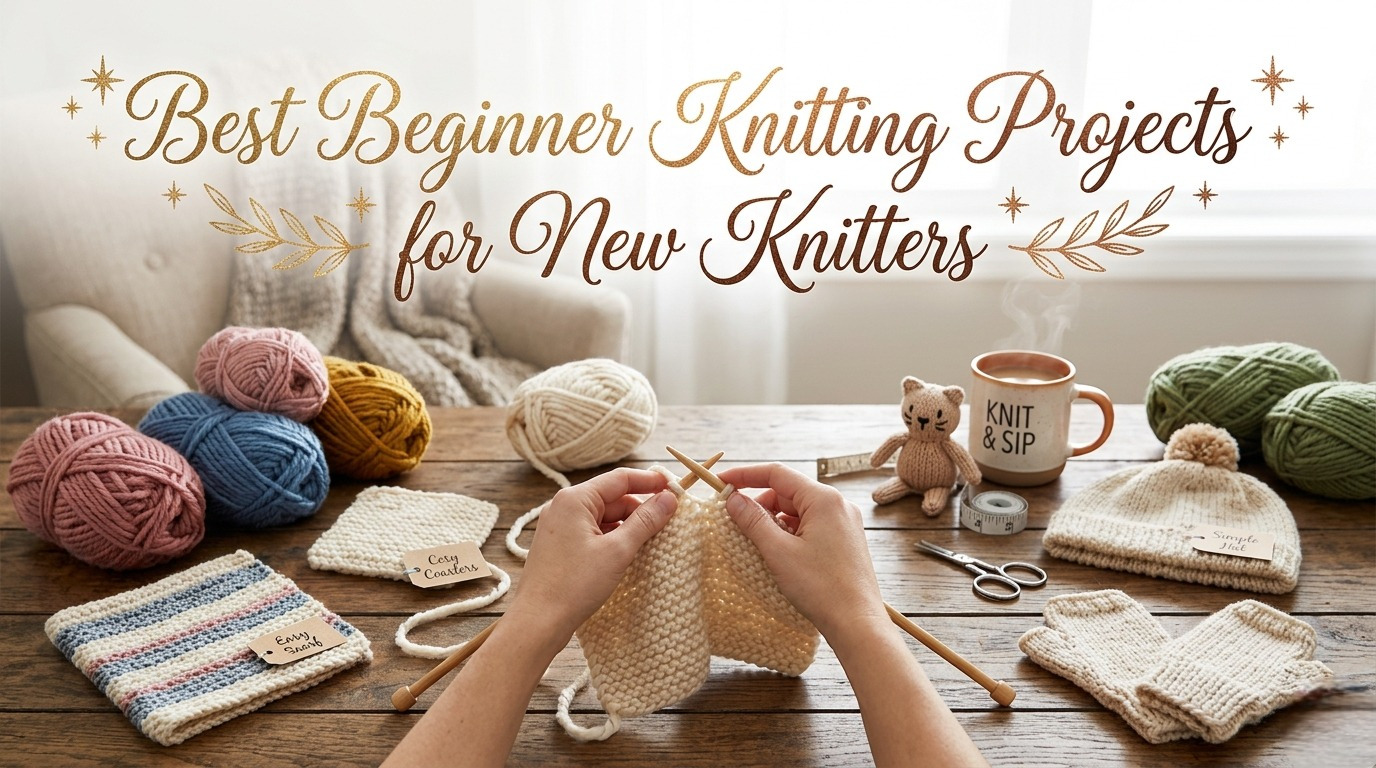
Best Beginner Knitting Projects for New Knitters
Choosing the best beginner knitting projects can make the difference between feeling overwhelmed and enjoying learning to knit. From experience, the best first projects are simple, manageable, and focus on building confidence rather than perfection.
This guide highlights easy knitting projects for beginners that teach essential knitting skills without frustration. It also includes honest insights into starter kits that are genuinely helpful and those that may not be worth your time.
Whether you’re new or returning after a break, this gives you a clear, practical starting point to build skills, finish projects, and enjoy the process from the beginning.
Also Read: What Size Needles for Beginner Knitting: 6 Easy Tips
Also Read: How Do You Make a Slip Knot for Knitting? Easy Guide
What Makes a Knitting Project Beginner-Friendly?
The best beginner knitting projects build confidence by teaching essential skills step by step. A good beginner project focuses on clarity, repetition, and completion rather than complexity.
A beginner-friendly knitting project typically includes:
Beginners should use worsted or chunky yarn with medium-sized needles (US 7–10). These materials make stitches easier to see and control, reducing frustration and speeding up learning.
Choosing beginner knitting patterns based on these principles helps you learn faster, stay motivated, and actually finish your first projects.
Also Read: What is Garter Stitch in Knitting? Easy Knitting Explained
Also Read: How to Read Knitting Patterns? Beginners Guide
1. Garter Stitch Scarf (Perfect First Project)
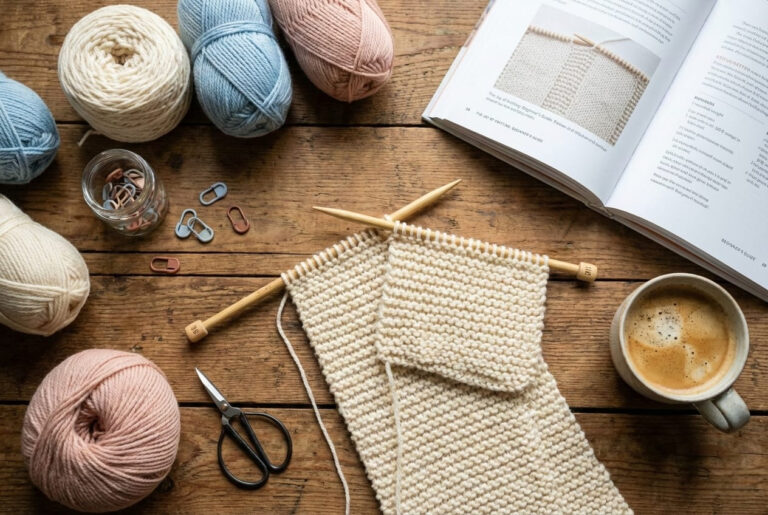
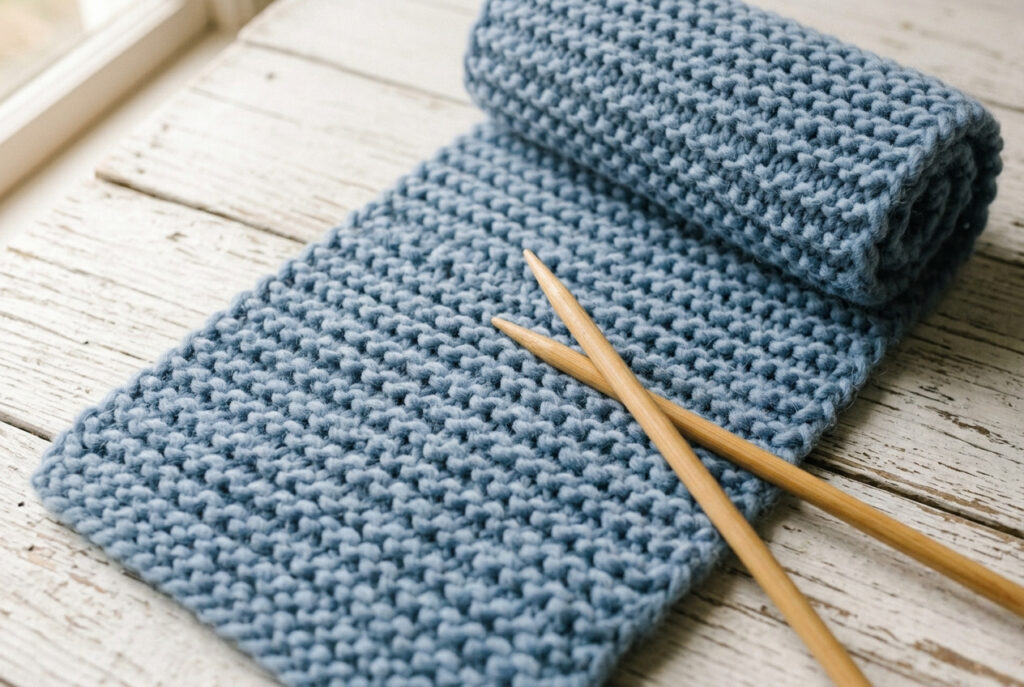
A garter stitch scarf is one of the best beginner knitting projects because it’s simple, reliable, and helps you build confidence from the first row.
Garter stitch is created by knitting every row, so you don’t need to switch techniques. This makes it an ideal beginner scarf pattern when you’re still getting comfortable holding needles and forming stitches.
Why it works for beginners:
What you’ll learn:
Yarn and needle tips:
Pros:
Cons:
Beginner takeaway:
If you want a low-pressure project that teaches real skills, this is the best place to start. It may be simple but it builds the foundation for everything that comes next.
Also Read: How Long Does It Take to Knit a Scarf? Time Guide
Also Read: How to Count Rows in Knitting: A Complete Guide
2. Dishcloth or Potholder (Practical and Forgiving)
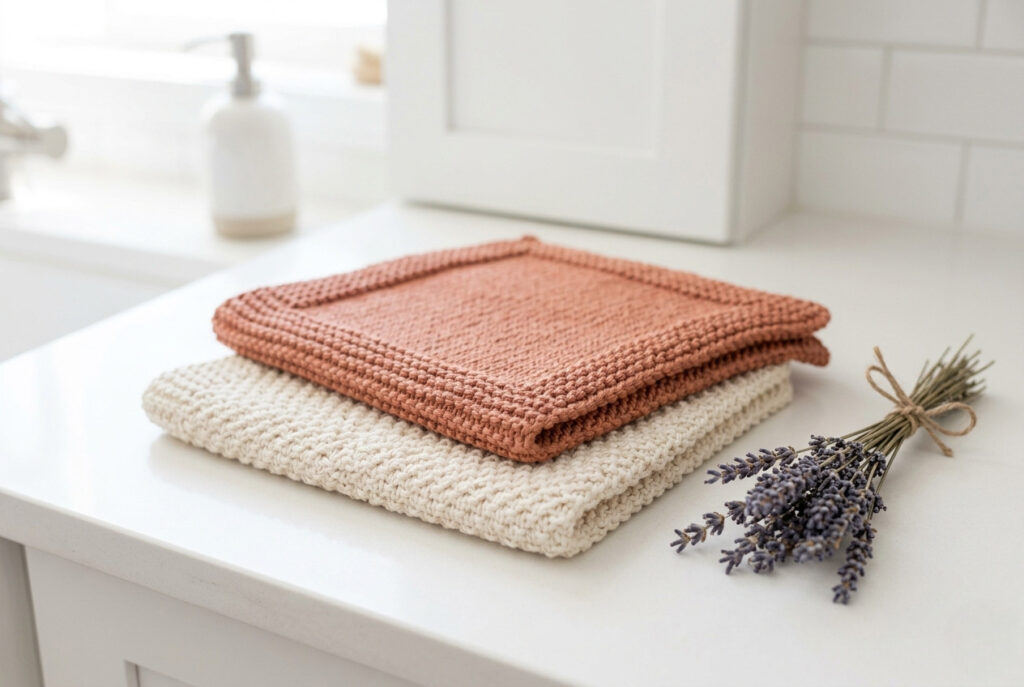
A knitted dishcloth or potholder is one of the best beginner knitting projects if you want something quick, useful, and low-pressure. It’s small enough to finish quickly but still teaches skills you’ll use in bigger projects.
Why it works for beginners:
What you’ll learn:
Yarn and needle tips:
Pros:
Cons:
Beginner takeaway:
This is where real progress happens. You can experiment freely, make mistakes, and still end up with something useful. That makes it one of the most rewarding starting points.
Also Read: How to Fix a Dropped Stitch: A Complete Guide for Knitters
Also Read: How to Fix a Knitting Hole: Easy 5 Techniques and Tips
3. Knitted Coasters (Tiny but Satisfying)

Knitted coasters are one of the best beginner knitting projects if you want something quick, creative, and more decorative than a dishcloth. They’re small enough to finish fast but still give you room to experiment.
Why it works for beginners:
What you’ll learn:
Yarn and needle tips:
Pros:
Cons:
Beginner takeaway:
If you need motivation, this is a great place to start. Finishing a small project quickly builds momentum and gives you the confidence to move on to bigger pieces.
Also Read: How to Change Colors While Knitting? Beginners Tips
Also Read: How to Add New Yarn to Knitting? Step-by-Step
4. Simple Knit Tote or Small Bag (A Step Up for Beginners)
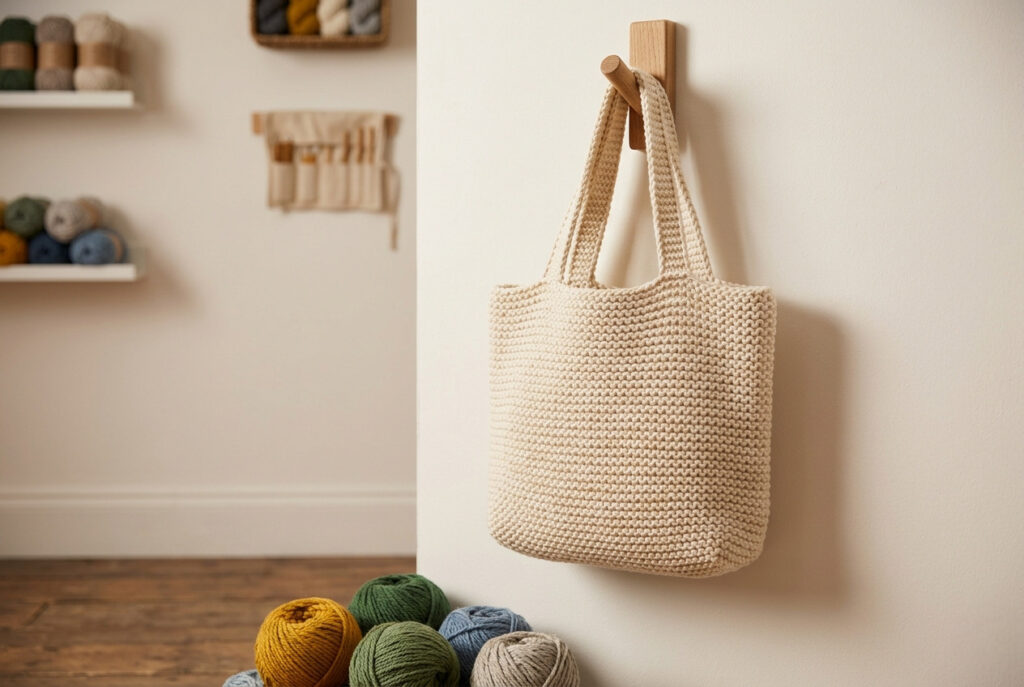
A simple tote or small bag is one of the best beginner knitting projects when you’re ready to move beyond flat basics. It adds structure and some challenge, but remains manageable.
Why it works for beginners:
What you’ll learn:
Yarn and needle tips:
Pros:
Cons:
Beginner takeaway:
This is where knitting starts to feel practical, not just practice. It’s a small step up in difficulty that builds real confidence.
Also Read: How to Finish a Knitting Project: A Complete Guide
Also Read: How to Pick Up Knit Stitches In Knitting? Two Methods
5. Beginner Cowl or Wrist Warmers (Soft and Cozy)

A beginner cowl or knitted wrist warmers is one of the best beginner knitting projects when you’re ready to move beyond flat knitting. They introduce circular techniques that remain quick and manageable.
Why it works for beginners:
What you’ll learn:
Yarn and needle tips:
Pros:
Cons:
Beginner takeaway:
This is a natural next step after scarves and dishcloths. It introduces new techniques without overwhelming you and builds confidence for larger wearable projects.
Also Read: How to Join in Round in Knitting: Easy Guide
6. Basic Knit Hat (A True Beginner Milestone)
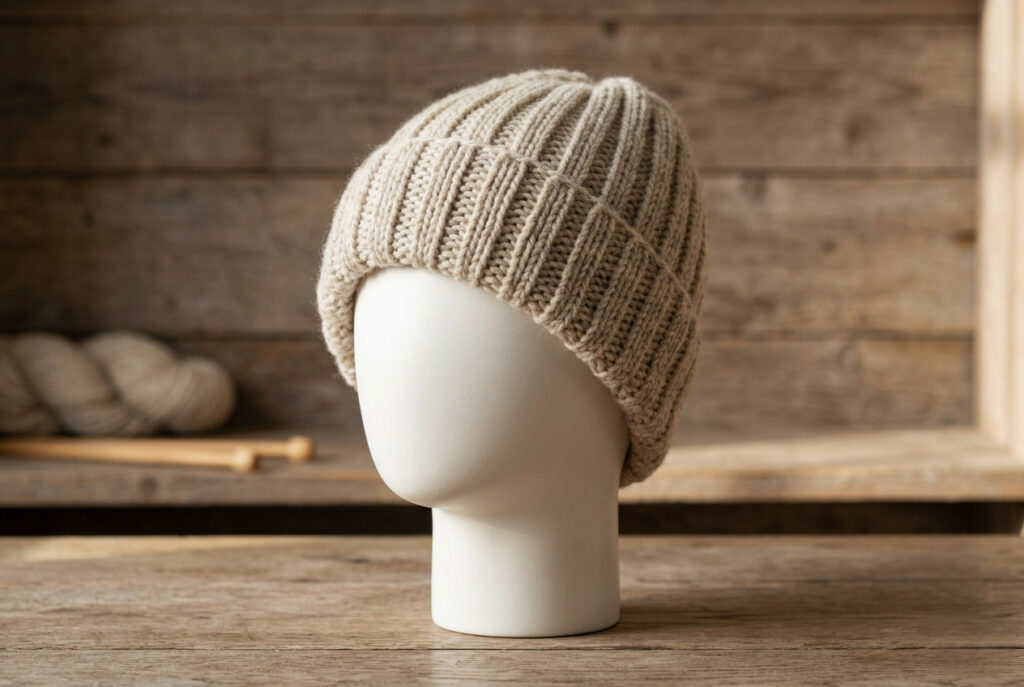
A basic knit hat might seem advanced at first, but it’s actually one of the best beginner knitting projects once you’re comfortable with scarves or cowls. It introduces shaping in a manageable and rewarding way.
Why it works for beginners:
What you’ll learn:
Yarn and needle tips:
Pros:
Cons:
Beginner takeaway:
Your first hat may not be perfect, and that’s the point. It teaches shaping, structure, and confidence in a way no flat project can.
Also Read: How to Knit a Hat with Straight Needles? Beginner’s Guide
Also Read: How to Increase a Stitch While Knitting: Quick Easy Steps
Best Beginner Knitting Projects Product Review
Choosing the right beginner knitting resources can improve how quickly and confidently you learn. The best beginner knitting projects guides go beyond patterns to build core skills, reduce mistakes, and strengthen technique. This review evaluates top beginner knitting resources based on clarity, usability, and learning value, helping you compare options and choose those that best match your style and goals.
1. Cast On, Bind Off: Essential Technique Guide

Cast On, Bind Off: 54 Step-by-Step Methods is a practical, technique-focused resource designed to improve how your projects start and finish. Its illustrated step-by-step approach makes complex cast-on and bind-off methods easier to understand. This is especially helpful when you want cleaner edges and more professional results for your best beginner knitting projects.
The wide range of techniques gives you flexibility to match different projects, from simple scarves to more structured pieces. Many knitters appreciate how it helps refine finishing details that often get overlooked in beginner guides.
However, it is not a project-based book, so absolute beginners may find it less engaging at first. The number of methods can feel overwhelming if you are still learning basic stitches.
Overall, it’s a valuable long-term reference that elevates your knitting quality, especially once you move beyond your first beginner projects.
Pros
Cons
2. First Time Knitting: Beginner Project Starter

First Time Knitting is a beginner-friendly guide that takes you from your first stitch to completing simple, wearable projects. Its step-by-step format and clear illustrations make it easy to follow, especially if you’re learning without in-person help while working on your best beginner knitting projects.
The book covers essential techniques while introducing a range of approachable patterns, helping you build confidence as you work through the basics. Many beginners find it especially useful for understanding how stitches come together in real projects rather than just practicing in isolation.
However, the patterns are simple, so more advanced knitters may outgrow it quickly. Some sections move at a steady pace, which may feel fast if you’re completely new.
Overall, it’s a reliable starting point for anyone looking to build skills through practical, manageable projects.
Pros
Cons
3. Patty Lyons’ Knitting Bag of Tricks: Skill Improvement Guide

Patty Lyons’ Knitting Bag of Tricks is a practical, insight-driven guide with over 70 techniques to improve your knitting. Instead of focusing on patterns, it addresses common mistakes and teaches smarter ways to handle stitches, tension, and finishing, making it especially helpful as you refine your best beginner projects.
The explanations are clear and rooted in real experience, helping you understand not just what to do, but why it works. Many knitters find it useful for troubleshooting issues that basic beginner books often overlook.
However, it is not structured as a step-by-step course, so complete beginners may need a more foundational guide alongside it. The focus on techniques rather than projects may feel less engaging at first.
Overall, a valuable technique-focused guide best used with beginner knitting projects. Excellent for improving skills and fixing common mistakes.
Pros
Cons
4. You Will Be Able to Knit: Step-by-Step Beginner Course

You Will Be Able to Knit by the End of This Book is a structured, beginner-focused guide that takes you from zero knowledge to completing simple projects with confidence. Its visual, step-by-step format breaks techniques into manageable stages. This makes it easy to follow as you work through your best beginner knitting projects.
The layout is clean and modern, with clear illustrations that help you understand each step without feeling overwhelmed. Many beginners appreciate how the book builds skills progressively. This allows you to see real improvement as you move forward.
However, the scope is limited once you move beyond the basics. More experienced knitters may find it too simplified. Some projects may also feel repetitive after initial learning.
Overall: a strong beginner-friendly guide with clear visuals and structured learning. Ideal for absolute beginners, though limited in depth for long-term skill progression.
Pros
Cons
5. Knitting for the Absolute Beginner: Foundational Skills Guide

Knitting for the Absolute Beginner is a structured introduction for complete beginners. It focuses on foundational skills and gradually builds to simple, achievable projects, making it a supportive guide for anyone starting their best beginner knitting projects journey.
The instructions are clear and well-organized, with illustrated steps that help you understand each technique without experience. It is especially useful for learning core basics like casting on, knit and purl stitches, and finishing simple pieces with confidence.
However, the teaching style feels traditional, and the pacing may not appeal to readers seeking a modern or fast-moving approach. The project variety is limited compared to newer beginner guides.
Overall, a dependable and structured beginner resource that builds strong foundational skills. While it may not feel modern or varied, it is a solid choice for learners who want a slow, clear, and methodical introduction to knitting.
Pros
Cons
6. A-Z of Knitting: Complete Technique Reference

A-Z of Knitting is a comprehensive reference guide for beginners and experienced knitters. It covers a wide range of techniques, stitches, and finishing methods. This makes it a long-term resource to support your best beginner knitting projects as your skills grow.
The book is highly visual and well-organized, letting you quickly look up techniques when stuck or wanting to learn something new. It is especially useful for understanding stitch definitions and expanding technical knowledge beyond basic beginner patterns.
However, it is not structured as a step-by-step learning guide. Complete beginners may find it less intuitive at first. The dense information can overwhelm those seeking simple, guided projects.
Overall, it is a valuable long-term knitting reference that works best as a support tool rather than a first learning guide. It is ideal for beginners who want to grow beyond basic projects and gradually build confidence with more advanced techniques.
Pros
Cons
7. Head-to-Toe Winter Knits: Quick Seasonal Projects

Head-to-Toe Winter Knits is a seasonal collection featuring a wide range of quick and practical winter-themed knitting ideas. It offers approachable patterns to support your beginner knitting projects, especially if you’re ready to move beyond the basics.
The projects are designed to be quick to complete, motivating beginners who want wearable results like hats, scarves, and small accessories. The variety lets you explore simple techniques without committing to complex patterns.
However, not all projects are true beginner level. Some require prior knitting experience. The seasonal focus limits its usefulness year-round if you want general practice projects.
Overall, a useful inspiration-based pattern book, best suited for beginners who understand the basics and want quick, seasonal projects to build confidence.
Pros
Cons
8. Knitting for Beginners: Core Stitch Learning Book
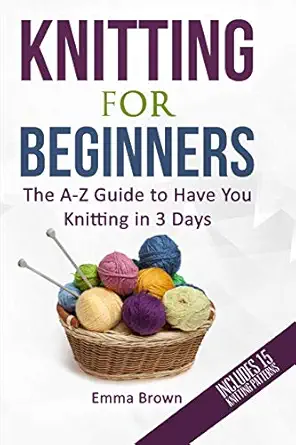
Knitting for Beginners is a focused guide that helps new knitters understand and practice essential stitch patterns. It supports your beginner knitting projects by building the technical foundation needed for simple scarves, dishcloths, and other early projects.
The book breaks down basic stitches clearly and accessibly, making it easier to understand how different textures form. It is especially useful for beginners who want to move beyond knit and purl and start experimenting with stitch variation early.
However, it is more a technique reference than a full project guide. It may feel limited if you want complete step-by-step patterns and lacks broader project progression.
Overall, a helpful supporting guide for beginners who want to strengthen stitch knowledge while working on simple knitting projects.
Pros
Cons
9. Easy Knit Dishcloths: Simple Practice Projects

Easy Knit Dishcloths is a practical, project-focused guide that helps beginners learn knitting through small, manageable dishcloth patterns. It fits well with best beginner knitting projects, especially for learners who are seeking fast, functional results while building core skills.
The book introduces various stitch patterns in a simple, hands-on way, making it easy to practice consistency, tension control, and basic pattern reading. The “stashbuster” approach helps use leftover yarn, keeping projects affordable and low-pressure.
However, it focuses on one project type, so it may feel repetitive over time. It also doesn’t cover broader garment-making skills or advanced progression.
Overall, a strong beginner resource for building confidence through repetition and quick finishes, best suited for early-stage knitters.
Pros
Cons
10. Super Easy Knitting for Beginners: Easy Starter Patterns

Super Easy Knitting for Beginners is a modern, beginner-focused guide that combines simple patterns with practical tips to support your beginner knitting projects. It helps absolute beginners move from basic stitches to completing small, achievable items with confidence.
The book is well-structured and easy to follow, offering clear instructions with beginner-friendly projects that reinforce learning through practice. It includes helpful tips addressing common mistakes, making the learning process smoother and less intimidating.
However, the content is simple, and more experienced beginners may outgrow it quickly. It offers limited depth for advanced skill development or complex projects.
Overall, a strong starting point for absolute beginners who want a guided, low-stress introduction to knitting with practical, easy projects.
Pros
Cons
Quick Comparison Table: Best Beginner Knitting Projects
| # | Book | Best For | Strength | Limitation | Overall Verdict |
|---|---|---|---|---|---|
| 1 | Cast On, Bind Off: 54 Step-by-Step Methods | Finishing techniques | Professional edges & technique variety | Not project-based | Advanced beginner reference tool |
| 2 | First Time Knitting | Absolute beginners | Step-by-step learning + simple projects | Basic patterns | Strong starter guide |
| 3 | Patty Lyons’ Knitting Bag of Tricks | Fixing mistakes | Expert troubleshooting tips | No structured projects | Skill improvement resource |
| 4 | You Will Be Able to Knit by the End of This Book | Guided learning | Clear visual progression | Limited depth | Beginner confidence builder |
| 5 | Knitting for the Absolute Beginner | Traditional learners | Strong foundational teaching | Dated style | Reliable basics guide |
| 6 | A-Z of Knitting | Long-term reference | Extremely detailed techniques | Overwhelming for beginners | Advanced support resource |
| 7 | Head-to-Toe Winter Knits | Seasonal projects | Quick wearable items | Not fully beginner-focused | Intermediate beginner level |
| 8 | Knitting Stitches for Beginners | Stitch practice | Clear stitch breakdowns | No full projects | Technique support guide |
| 9 | Easy Knit Dishcloths | Fast practice | Quick, repetitive skill building | Limited variety | Confidence-building starter |
| 10 | Super Easy Knitting for Beginners | True beginners | Simple projects + tips | Low long-term depth | Easy entry-level guide |
How to Choose Your First Knitting Project
If you are new to knitting, start simple and stay realistic. The best beginner projects are not the most impressive but the ones you can finish.
Start with small, low-pressure projects like dishcloths, coasters, or simple scarves. These help you learn basic knitting techniques without feeling overwhelmed.
When choosing your first project, focus on:
Most importantly, choose a project you want to use or complete. Motivation plays a major role in learning knitting successfully.
Also Read: How to Knit a Headband: Easy Beginner Guide
How to Choose the Right Project for Your Beginner Knitting Journey
Choosing the right starting point from beginner knitting resources can make your learning experience smoother, faster and more enjoyable.
A proven learning path is:
This layered approach ensures you do not just follow patterns but actually understand how knitting works. Over time, it builds real confidence and helps you progress naturally from simple beginner projects to more advanced techniques.
Also Read: How to Purl Stitch Knit? Quick Guide
FAQs: Best Beginner Knitting Projects
Final Thoughts: Best Beginner Knitting Projects
The best beginner knitting projects are not about creating something perfect or impressive. They are about building skill, confidence, and consistency with every stitch. Simple projects like scarves, dishcloths, and small accessories help you develop core techniques without feeling overwhelmed.
Start small, choose easy beginner knitting patterns, and accept mistakes as part of the learning process. Every dropped stitch or uneven row helps you improve.
Most importantly, focus on finishing what you start. Once you complete your first project, knitting stops feeling confusing and starts feeling natural, and that’s when the craft truly becomes enjoyable and rewarding.
Also Read: How to Knit Mittens: The Easy Complete Guide