Can I Knit Two Strands at a Time? Easy 4-Step Guide
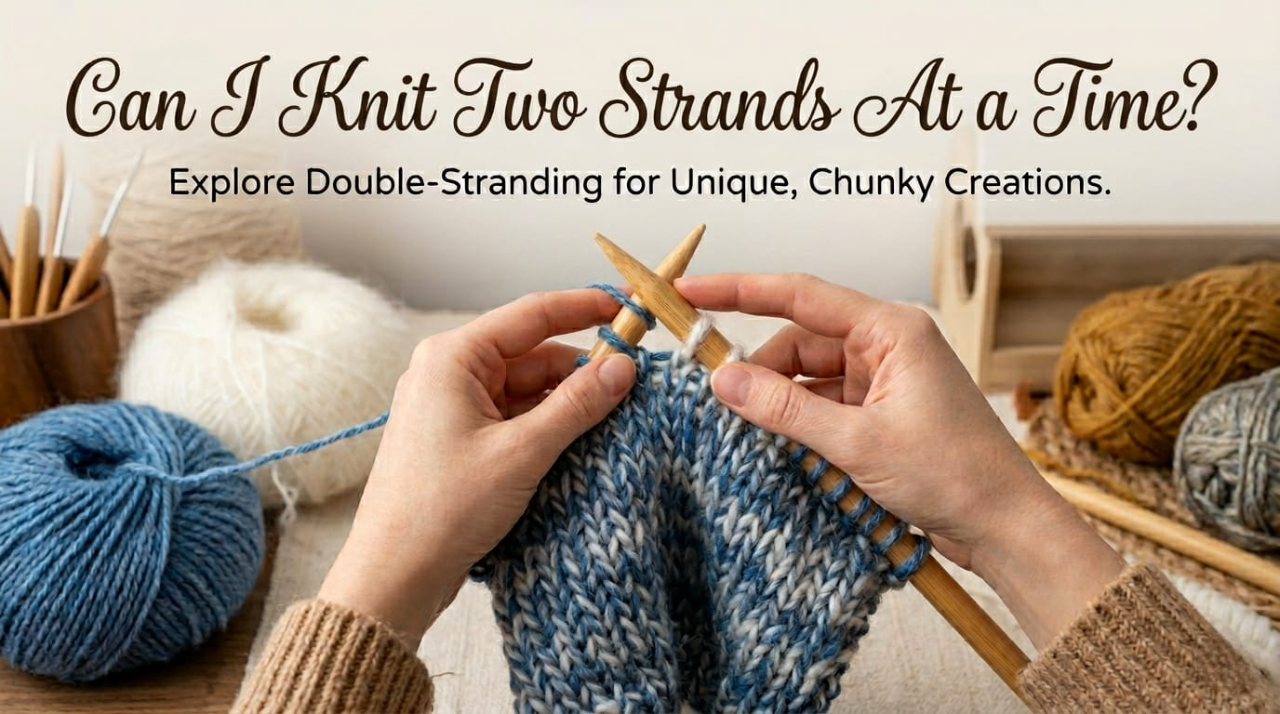
Can I knit two strands at a time? Yes, you can, and it’s one of the most useful techniques every knitter should learn. Known as double-stranded knitting, this method lets you hold two strands of yarn together and treat them as a single strand. The result is a thicker, warmer, and more textured fabric that looks polished rather than homemade.
Whether you’re turning a lightweight yarn into something cozier, blending two colors for a soft marled effect, or using up leftover skeins, knitting with two strands of yarn gives you a surprising amount of flexibility.
If you’ve ever wondered if you can knit two strands at a time without messing up your tension, you’re not alone. It can feel awkward at first. Once your hands adjust to holding two yarns together, it quickly becomes second nature.
In this guide, you’ll learn how to knit with two strands of yarn together smoothly, how double-stranded knitting affects your gauge and needle size, and simple, practical ways to keep your stitches even and your strands from tangling.
I still remember the first time I tried knitting with two strands at a time. I expected bulky stitches, but the fabric came out balanced and warm. The real trick was adjusting my needle size and relaxing my grip a little.
If you’re new to this technique, don’t worry, knitting with two strands at a time is much easier than it looks once you understand the basics.
Also Read: How to Read Knitting Patterns? Beginners Guide
What Does Knitting with Two Strands at a Time Mean?
Knitting with two strands at a time means holding two separate strands of yarn together and treating them as a single strand in your work. Every stitch uses both strands, creating a thicker, fuller fabric.
When knitters mention this technique, they usually mean double-stranded knitting, where both yarns move together through every stitch. You are not switching strands or alternating colors; you simply knit with two yarns together as one.
This can involve:
Understanding Double-Stranded Knitting
Double-stranded knitting is often confused with other techniques, but it works very differently.
It is not:
Instead, you’re using both strands in every stitch to form a single, thicker fabric.
That’s why you’ll often see terms like:
All of these describe the same idea: combine two strands and knit them as one.
Also Read: What Is Edge Stitch in Knitting? Easy Guide
How It Works in Practice
When you knit with two strands at a time, the setup is simple:
There are no special stitches or complicated techniques involved. The only real difference is that you’re working with a thicker, combined yarn.
Also Read: How to Cast on Knitting with Two Needles: A Complete Guide
Why Knit with Two Strands? Benefits and Uses
There are practical and creative reasons to knit with two strands at a time, and understanding them helps you choose when to use this technique in your projects.
Create Thicker, Warmer Fabric
The most obvious benefit of knitting with two strands is added warmth and structure.
If you usually knit with DK yarn, double-stranded knitting can make your fabric closer to worsted or bulky weight, depending on your tension and needle size. Here, your double-stranded knitting gauge shifts upward, giving you flexibility without changing yarn brands.
Also Read: How to Knit a Hat with Straight Needles? Beginner’s Guide
Mix Colors and Textures for a Marled Effect
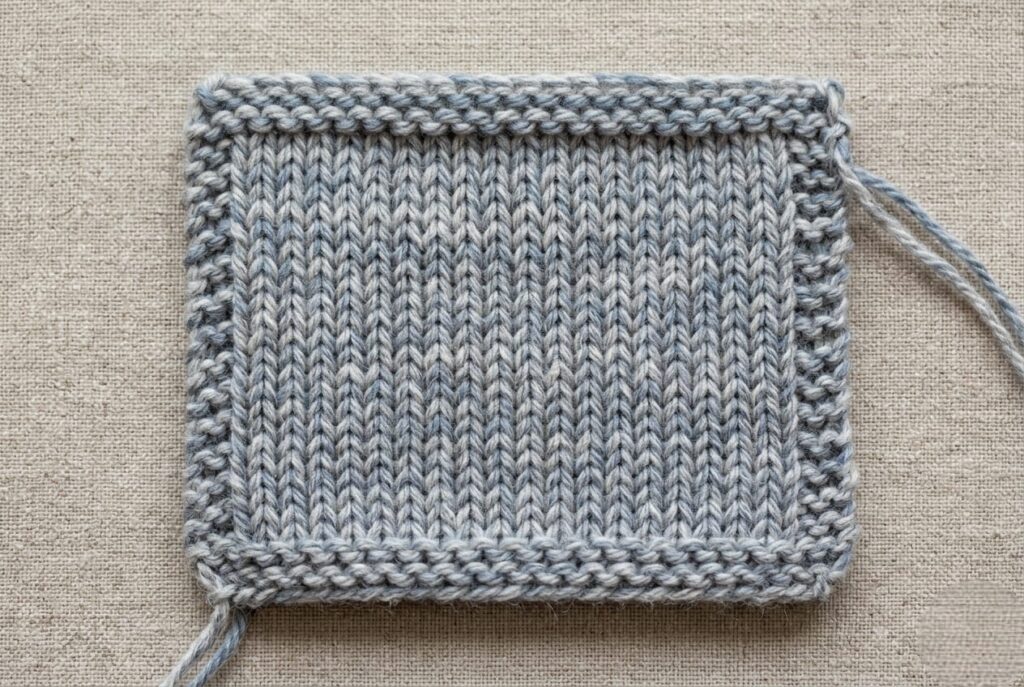
A visually interesting benefit of knitting with two yarns together is the soft blending effect it creates.
This effect is noticeable when you knit with two skeins at once, as slight differences in dye lots or texture blend into a unique finish.
Also Read: How to Change Colors While Knitting? Beginners Tips
Use Up Leftover Yarn Efficiently
Another advantage of knitting with two strands at a time is the ability to manage your stash.
Instead of letting small skeins sit unused, you can:
This makes double-stranded knitting a practical, eco-friendly approach for everyday knitters. You also change yarn consumption because doubling strands uses yarn faster, helping reduce leftover scraps more efficiently.
Also Read: How to Add New Yarn to Knitting? Step-by-Step
Choosing the Right Yarn and Needle Size
Getting this part right separates beginner results from expert-level double-stranded knitting. When you knit with two strands, yarn choice and needle size directly affect the final fabric quality.
How Yarn Weight Changes When You Double Strands
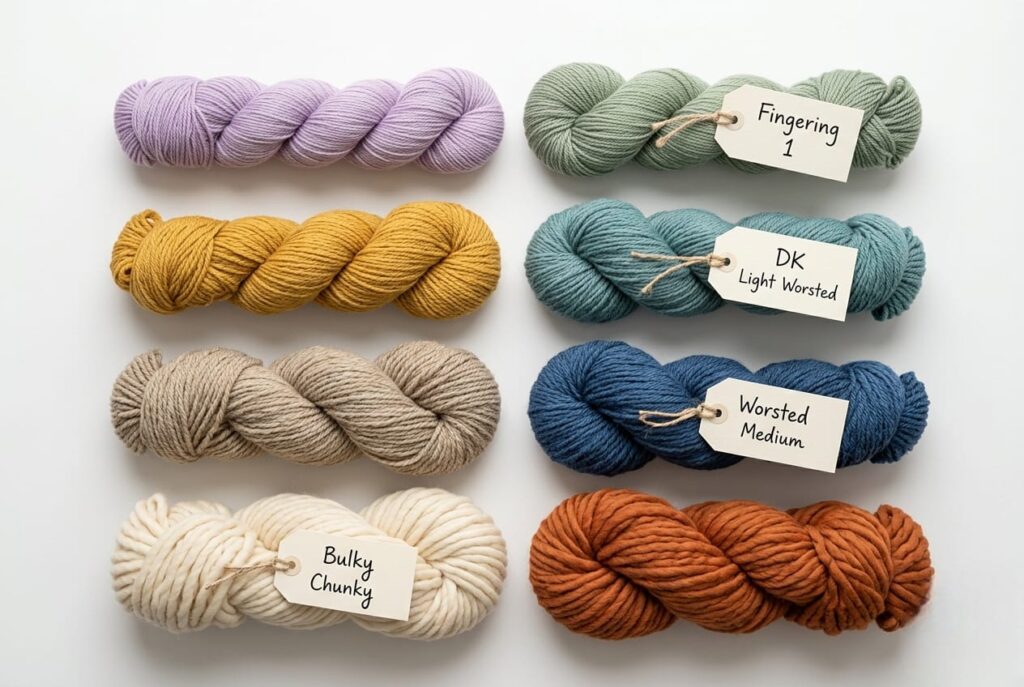
In most cases, knitting with two strands of yarn moves your yarn up by about one weight category.
Double-Stranded Yarn Weight Conversion Table
| Single Strand Yarn | When Doubled | Result |
|---|---|---|
| Fingering | Sport–DK | Light garments |
| Sport | DK | Soft sweaters |
| DK | Worsted | Everyday knits |
| Worsted | Bulky | Chunky winter pieces |
This is why double-stranded knitting is so versatile — you can mimic heavier yarn weights without changing your stash or buying new materials. Think of your double-stranded knitting gauge as behaving like the next heavier yarn category, then adjust from there.
Also Read: How to Knit a Gauge Swatch: Quick Guide
Picking the Right Needle Size
When you knit with two strands at a time, your needle size usually needs to change as well.
A good starting point is:
Swatching is especially important here because doubling yarn changes fabric density more than most knitters expect.
Also Read: The Best Interchangeable Knitting Needles
Gauge Matters More Than You Think
Never skip your swatch when working with double-stranded knitting gauge.
Your final fabric can vary depending on:
A small swatch helps you avoid sizing mistakes in finished garments, such as sweaters or blankets.
Also Read: How to Knit a Gauge Swatch: Quick Guide
When to Avoid Double-Stranded Knitting
Although knitting with two strands at a time is useful, it’s not ideal for every situation.
Avoid or reconsider if:
If you’re wondering Can I knit two strands at a time for this pattern? A good rule is: if the design is delicate or highly open, a single strand usually gives a cleaner result.
Also Read: How to Knit a Moss Stitch: Best Expert Guide
How to Knit Two Strands at a Time (Step-By-Step)
Now for the practical part: how to knit with two strands at a time, from casting on through your first few rows. Knitting with two strands means holding two yarns together and working each stitch as if they were one thicker strand.
Step 1: Setting Up Your Two Skeins or Balls
This helps you knit from two separate skeins without sudden tugs or knots.
Step 2: Casting On with Two Strands
Casting on with two strands creates a firmer, thicker edge that is great for cuffs and brims.
Also Read: How to Do a Long Tail Cast On Knitting? Easy Guide
Step 3: Knitting Every Stitch with Both Strands Together
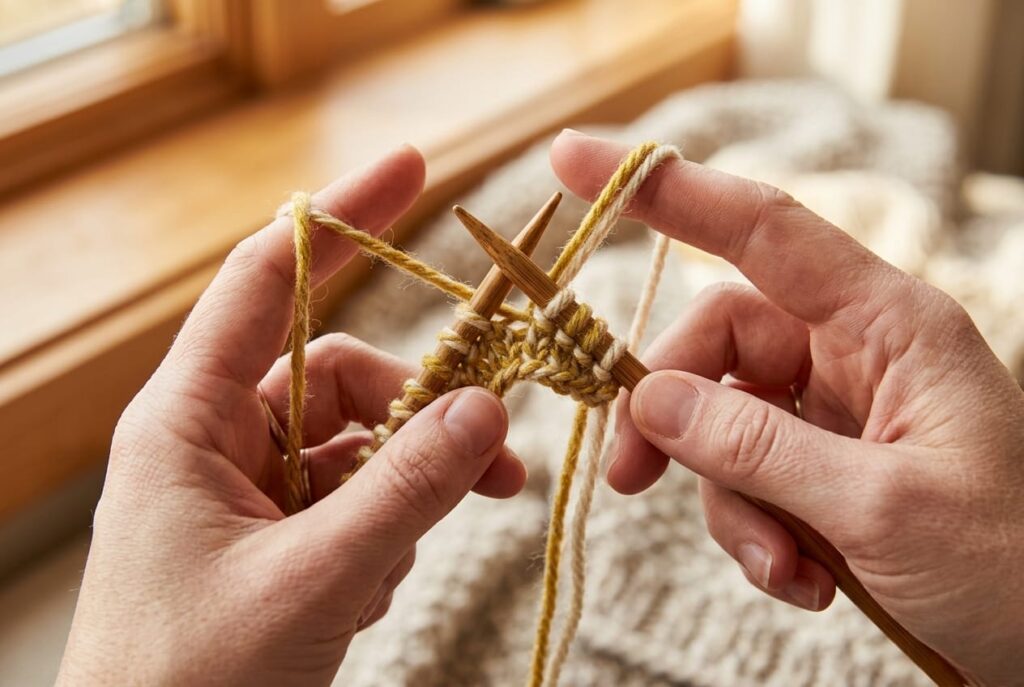
This is the core of how to knit with two strands of yarn together, and it’s also the heart of the double-stranded knitting basics. Keep both strands feeding evenly to avoid one yarn becoming tighter than the other. Uneven tension can distort your stitches.
Also Read: How to Add Stitches When Knitting: A Complete Guide
Step 4: Purling with Double Strands (Same Logic, Different Motion)
Purling works the same way:
If you are working stockinette, you will quickly get used to knitting with two yarns together on the right side and purling them on the wrong side. Always swatch before starting to ensure your double-stranded knitting gauge matches your project.
Also Read: How to Purl Stitch Knit? Quick Guide
Common Mistakes in Double-Stranded Knitting and How to Avoid Them
Even experienced knitters encounter hiccups when knitting with two strands at once. Success comes from knowing what can go wrong early and applying simple, consistent fixes. Mastering these details ensures smoother fabric, better stitch definition, and a more professional finish.
1. Twisting Two Strands While Knitting
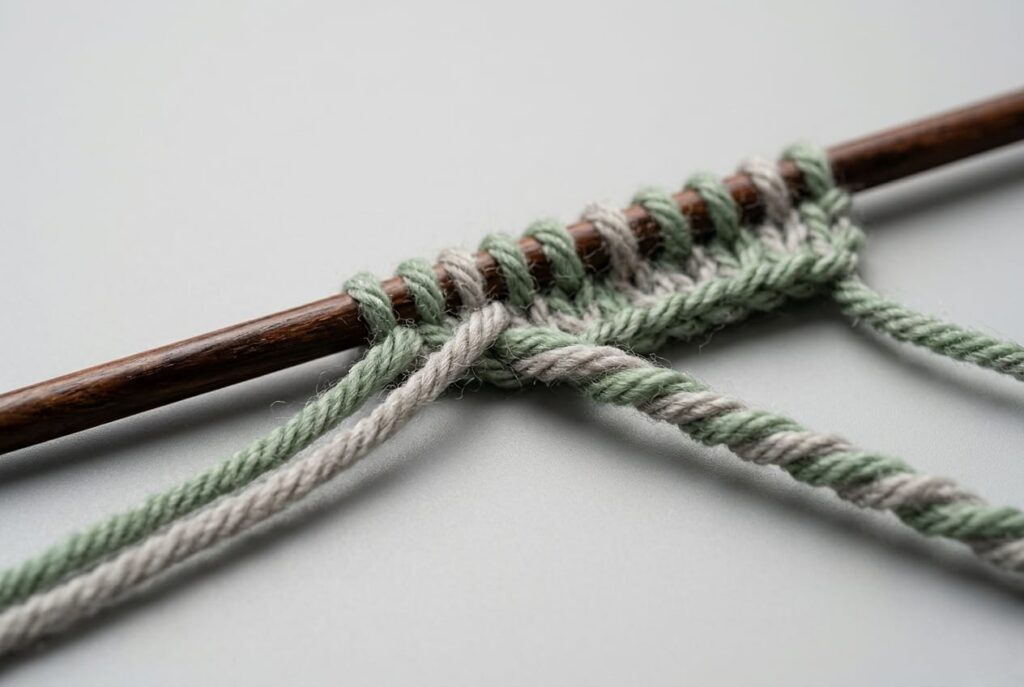
A common issue in double-stranded knitting is accidental twisting, where the two yarns wrap around each other as you work. This can cause uneven tension and a messy-looking fabric if not corrected.
How to prevent twisting two strands:
Keeping yarn movement natural and separated is the best way to maintain smooth, even stitches.
Also Read: How to Fix a Dropped Stitch: A Complete Guide for Knitters
2. Fixing Tension Issues When Knitting with Two Strands
Another frequent challenge is uneven tension, where one strand is tighter than the other. This can distort stitch structure and affect the overall appearance of your fabric.
Fixing tension issues when knitting with two strands:
With two yarns together, any tension imbalance is more visible. Small adjustments make a big difference.
3. Maintaining Consistent Double- Stranded Knitting Gauge
Gauge inconsistency can cause sizing problems, especially in garments and fitted accessories. Because two strands behave differently, it is important to verify your gauge early.
How to keep gauge consistent across rows:
A proper swatch ensures your double-stranded knitting gauge stays accurate and your final piece matches expectations.
Consistency is the foundation of successful double-stranded knitting. By controlling yarn separation, tension, and gauge from the start, you can avoid the most common mistakes and achieve clean, even, and professional-quality results every time.
Even a small imbalance becomes more visible when working with two strands together.
Fun Design Ideas: Solid Colors, Marls, and Variegated Yarns
Once you’re comfortable with the basics, double-stranded knitting opens up a lot of fun design options.
Quiet Marled Effects with Two Solid Colors
Try knitting with two strands of different colors that are close in tone:
You’ll still get a single-layer fabric, but the marled effect with two yarns adds depth and movement, almost like a tweed.
Tweedy and Mélange Looks by Mixing Yarns
For a more textured look:
This is especially satisfying when you knit from two separate skeins and want something special without complicated patterns.
Using Two Variegated or Self- Striping Yarns Together
If you enjoy self-striping or variegated yarns, try knitting with two strands at a time in the same colorway or a complementary one.
This approach works great for accessories like hats, cowls, or mittens, where you want visual interest without much stitch counting.
Also Read: How to Knit Mittens: The Easy Complete Guide
Double-Stranded Knitting vs. Other Techniques
Understanding how double-stranded knitting compares to other multi-yarn techniques is essential for choosing the right method. While knitting with two strands at a time is simple and versatile, it behaves differently from colorwork or true double knitting.
Double-Stranded Knitting- Two Yarns Held Together
Double-stranded knitting means holding two strands of yarn together and working every stitch as if they were a single, thicker strand.
Key characteristics:
This is the simplest way to adjust fabric density and warmth without changing the stitch structure.
Carrying Multiple Yarns- Stranded Colorwork / Fair Isle
In stranded colorwork, such as Fair Isle knitting, you carry two or more yarns across the back of the work and switch between them as needed.
Key characteristics:
Unlike knitting with two strands together, colorwork focuses on design and pattern instead of bulk or warmth.
True Double Knitting- Two-Layer Fabric Technique
True double knitting is an advanced technique that creates two separate layers of fabric at the same time, often with reversible colorwork.
Key characteristics:
This is fundamentally different from double-stranded knitting, where both yarns form a single layer.
Also Read: How to Join in Round in Knitting: Comprehensive Guide
FAQ: Can I Knit with Two Strands at a Time?
Final Thoughts: Can I Knit Two Strands at a Time?
So, can you knit two strands at a time? Absolutely. Once you understand how it works, it becomes one of the most flexible and rewarding techniques in knitting.
Double-stranded knitting lets you change yarn weight, add warmth, blend colors, and use up leftover skeins — all without complex patterns or advanced skills. It’s a simple adjustment that opens up a surprising amount of creative freedom.
At first, holding two strands together may feel unfamiliar, but that phase doesn’t last long. With practice, your hands adapt, and the rhythm becomes smooth and intuitive.
The key is consistency: keep your tension even, choose compatible yarns, and always swatch before starting a project. Once those basics are in place, the results are reliably beautiful.
Whether you’re making cozy winter accessories or experimenting with textured color blends, knitting with two strands at a time is a technique worth keeping in your toolkit.
Also Read: How to Finish a Knitting Project: A Complete Guide