Continental vs. English Knitting: Easy Guide
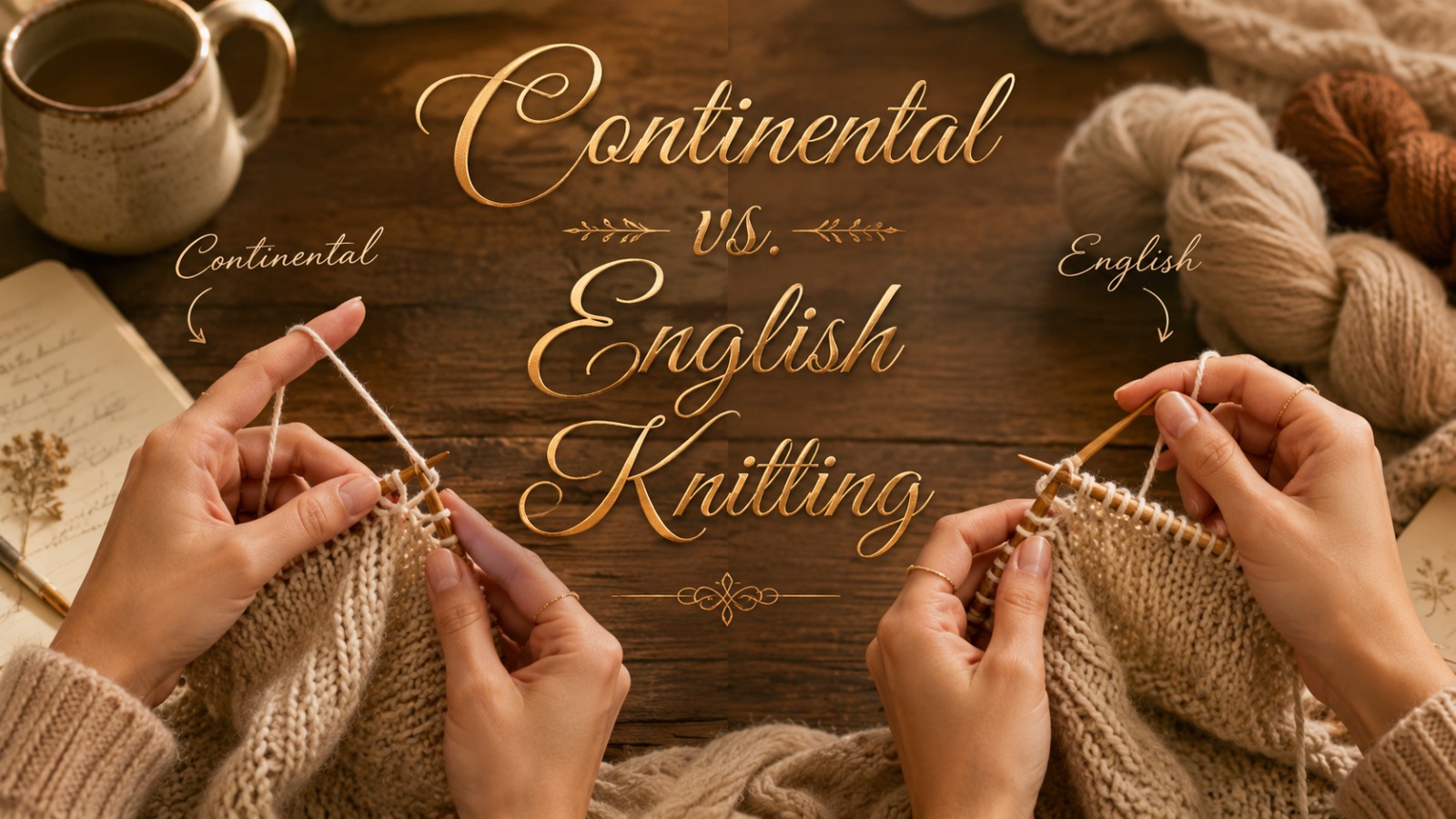
If you’ve noticed some knitters hold their yarn in the left hand while others use the right, you’ve seen the main difference in continental vs English knitting. Both techniques create the same stitches but differ in speed, tension, comfort, and knitting rhythm.
After years of knitting everything from beginner scarves to detailed sweaters, I’ve found that yarn control can completely change the knitting experience. The English knitting style uses the right hand to throw the yarn, while the continental knitting style keeps the yarn in the left hand for smaller, faster movements.
Neither method is better for everyone. The right choice depends on your comfort, knitting goals, and technique. This guide covers key differences between both styles, including speed, tension control, ergonomics, and which may work best for you.
What Is English Knitting (Throwing Style)?
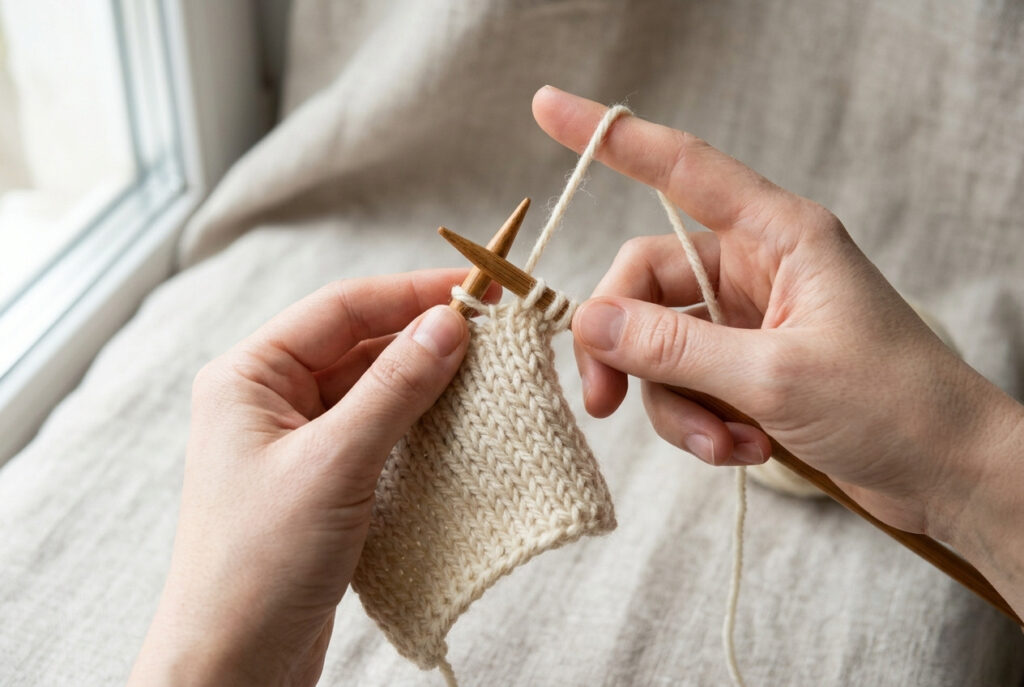
The English knitting style, often called the throwing style, is one of the most widely taught knitting methods in the United States and the United Kingdom. In this technique, the working yarn is held in the right hand and wrapped around the needle to form each stitch.
For many beginners, English knitting feels natural because the dominant hand controls the yarn directly. The slower, deliberate motion makes it easier to see how stitches form, which is why this method is often recommended in beginner knitting classes.
How English Knitting Works
In English knitting, the yarn stays in the right hand throughout the knitting process. To create a stitch, the knitter inserts the needle into the loop, wraps the yarn around the needle tip, pulls the new loop through, and slides the old stitch off the needle.
The process typically follows these steps:
Compared to Continental knitting, the hand movements are larger and more noticeable. This can make English knitting slower, but many knitters appreciate the extra control it provides.
Why Beginners Often Start With English Knitting
English knitting is frequently recommended for beginners because it offers:
The deliberate yarn movement helps new knitters spot errors early before they affect the whole project.
Also Read: How to Read Knitting Patterns? Beginners Guide
Also Read: What Size Needles for Beginner Knitting: 6 Easy Tips
English Knitting and Tension Control
One of the biggest advantages of the English knitting style is consistent tension management. Because the yarn is guided manually around the needle, many knitters find it easier to maintain even stitches.
This can be especially useful for:
However, the repeated throwing motion may cause hand or wrist fatigue during long knitting sessions, especially for knitters who often work on large projects.
Also Read: How to Knit a Gauge Swatch: Quick Guide
What Is Continental Knitting (Picking Style)?
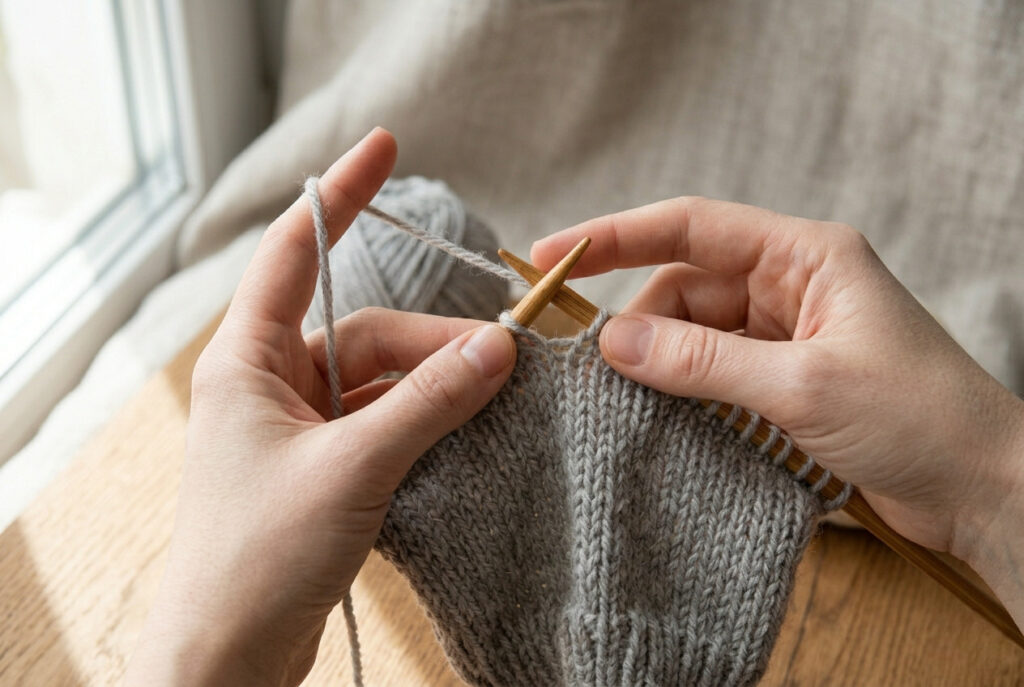
The continental knitting style, often called the picking style, German knitting, or European knitting, is a method where the working yarn is held in the left hand rather than the right.
Instead of wrapping the yarn around the needle manually, the right needle simply picks the yarn through the stitch using smaller, more efficient movements.
This technique is known for its speed, fluid motion, and reduced hand movement. It is popular among experienced knitters and crocheters transitioning into knitting.
How Continental Knitting Works
In Continental knitting, the yarn stays tensioned in the left hand throughout the process. The right needle catches the yarn directly to form each stitch instead of throwing it around the needle.
The process generally follows these steps:
Because the yarn stays close to the needles, the motions are smaller and more compact than in English knitting.
Why Many Knitters Prefer Continental Knitting
Many crocheters adapt quickly to Continental knitting because the yarn tensioning method feels similar to crochet techniques. The style may also feel more natural for:
Once mastered, the continental knitting style often creates a smoother knitting rhythm with less unnecessary movement.
Also Read: Does Knit or Crochet Use More Yarn? The Simple Solution
Continental Knitting and Speed
One of the biggest advantages of Continental knitting is efficiency. Since the yarn travels a shorter distance during each stitch, many knitters work significantly faster than with English knitting.
This can lead to:
However, beginners sometimes struggle with tension consistency at first because the yarn is controlled differently than in English knitting.
Key Differences: Yarn Hold, Speed, and Technique
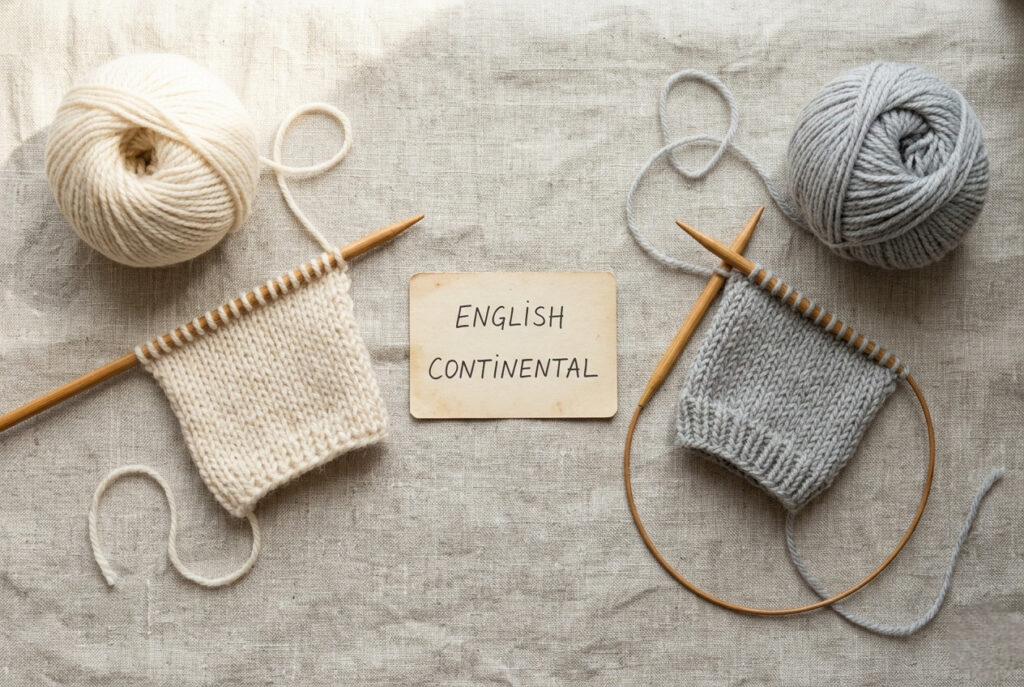
The biggest difference in continental vs English knitting is surprisingly simple:
That small change affects speed, tension, comfort, and hand movement. While both methods create identical stitches, the knitting experience can feel very different depending on the style you use.
English vs Continental Knitting Comparison
| Feature | English Knitting | Continental Knitting |
|---|---|---|
| Yarn Hand | Right hand | Left hand |
| Main Motion | Throwing yarn around the needle | Picking yarn with needle |
| Movement Size | Larger hand motions | Smaller, compact motions |
| Average Speed | Moderate | Generally faster |
| Purl Stitch Speed | Consistent | Slower for some knitters |
| Tension Control | Easier for beginners | Requires practice |
| Beginner Friendly | Very beginner-friendly | Easier for crocheters |
| Best For | Chunky yarn, detailed control | Ribbing, speed knitting |
| Hand Fatigue | More arm and hand movement | Less movement overall |
| Common Regions | UK and US traditions | Europe and Scandinavian regions |
Although the stitches are identical, how the yarn moves through your hands dramatically changes the rhythm and feel of knitting.
Some knitters prefer the slower, controlled motion of English knitting, while others enjoy the efficiency and speed of Continental knitting. Many experienced knitters learn both methods to reduce strain and adapt to different projects.
Pros and Cons of English Knitting
The English knitting style remains one of the most popular techniques for beginners because it offers strong yarn control and a slower, more deliberate pace.
Advantages of English Knitting
Easier for Beginners
Better Tension Control
Helpful for Complex Stitch Patterns
The controlled pace can work especially well for:
Comfortable With Chunky Yarn
Also Read: How to Knit Cables: Step-by-Step Easy Beginner Guide
Disadvantages of English Knitting
Slower Knitting Speed
More Hand and Shoulder Movement
Long knitting sessions can cause:
Less Efficient for Ribbing
Pros and Cons of Continental Knitting
The continental knitting style is widely known for speed and efficiency, although it may take time to master consistent tension.
Advantages of Continental Knitting
Faster Knitting Speed
Reduced Motion
Excellent for Ribbing and Seed Stitch
Helpful for Reducing Hand Strain
Disadvantages of Continental Knitting
Harder Tension Learning Curve
Purling Can Feel Awkward Initially
Wrist Position Matters
Also Read: How to Knit a Moss Stitch: Best Expert Guide
Which Knitting Style Is Faster?
One common question in the continental vs English knitting debate is speed. While both methods produce beautiful results, Continental knitting is generally faster because the yarn travels a shorter distance during each stitch.
Instead of moving the entire hand to wrap the yarn around the needle, the needle simply picks the yarn directly from the left hand. Smaller movements create a smoother, more efficient knitting rhythm.
Also Read: How to Count Rows in Knitting: A Complete Guide
Why Continental Knitting Is Often Faster
Several factors contribute to the speed advantage of the continental knitting style:
These differences become noticeable during large or repetitive projects such as:
Because the motions are more efficient, many knitters can maintain speed longer without as much fatigue.
Also Read: How to Knit a Pullover Sweater?
Also Read: How Long Does It Take to Knit a Sweater? Complete Guide
Speed Depends on Skill, Not Just Technique
Although Continental knitting is often linked to speed techniques, practice matters more than the style itself.
The world’s fastest known Continental knitter is Miriam Tegels, while Hazel Tindall became famous for remarkable speed using the English knitting style.
That comparison shows an important point: an experienced English knitter can easily outpace a beginner using Continental knitting.
Are Purl Stitches Faster in Continental Knitting?
Not always. While knit stitches are usually faster in Continental knitting, some knitters find purl stitches less natural at first. This can temporarily slow down:
However, once the movements become familiar, many knitters find Continental knitting highly efficient for repetitive stitch patterns as well.
If raw speed is your main goal, Continental knitting usually has the advantage because of smaller, more economical movements. But comfort, tension control, and muscle memory matter as much as speed.
The fastest knitting style is ultimately the one that feels natural enough for you to knit consistently and comfortably over long periods.
Also Read: How to Knit SSK Stitch: Easy Guide for Beginners
Best Knitting Style for Beginners

When it comes to knitting for beginners, there is no single method that works best for everyone. The ideal knitting style depends on your learning style, hand dominance, previous crafting experience, and overall comfort.
For many new knitters, the English knitting style is often the easiest starting point because the slower movements make stitch formation easier to see and understand. However, some beginners adapt more naturally to Continental knitting, especially if they already crochet.
Also Read: Top 10 Best Knitting Books for Beginners 2026
Also Read: Best Knitting Accessories: Top Picks 2026
Why English Knitting Is Often Recommended for Beginners
English knitting style is commonly taught in beginner classes across the United States and the United Kingdom. Because the yarn is controlled with the right hand using a throwing motion, many beginners find the technique easier to follow visually.
English knitting may work especially well for people who:
Larger hand movements help beginners understand stitch formation before developing speed.
When Continental Knitting May Be Easier
The continental knitting style can feel more natural for some beginners from the very beginning, particularly crocheters who already tension yarn in the left hand.
Continental knitting may suit:
Although the tension learning curve can feel steeper at first, many knitters become comfortable with the technique quickly through regular practice.
Which Style Should Beginners Choose?
The best knitting style is usually the one that feels most comfortable. Instead of focusing on speed immediately, beginners should prioritize:
Trying both styles early can help you discover which movement feels more natural.
You Don’t Have to Choose Only One
Many experienced knitters eventually learn both techniques and switch between them depending on the project. Some prefer English knitting for detailed stitch work, while others use Continental knitting for speed or repetitive patterns.
As a beginner, the most important thing is not choosing the perfect method. It’s finding a knitting style that keeps you comfortable, confident, and motivated to continue practicing.
Also Read: The Best Interchangeable Knitting Needles
Can You Learn Both Knitting Styles?
Absolutely. Many experienced knitters learn both English knitting and Continental knitting and switch between them depending on the project. Developing multiple knitting techniques improves flexibility, efficiency, comfort, and control.
Some knitters prefer one method most of the time, while others alternate styles regularly to match stitch patterns or reduce hand strain during long knitting sessions.
Benefits of Learning Both Knitting Styles
Reduced Hand and Wrist Strain
One major advantage of knowing both knitting styles is the ability to change movements and reduce repetitive stress. Switching techniques can help relieve tension in the:
Many knitters find alternating styles during larger projects improves long-term comfort.
Better Colorwork and Fair Isle Knitting
Learning both methods also makes colorwork knitting easier. Some knitters use:
This two-handed approach creates smoother tension and faster transitions in Fair Isle and stranded knitting projects.
Also Read: How to Add New Yarn to Knitting? Step-by-Step
Greater Flexibility for Different Projects
For example:
Experience with both methods lets you adapt your technique based on the project instead of forcing one style to fit every situation.
Also Read: What Is a Cable Knit Sweater? Complete Guide: Best Tips
Also Read: How to Style a Cable Knit Sweater: Easy Guide 5 Tips
Do You Need to Learn Both?
Not necessarily. Many knitters use a single method for years and create beautiful work. Learning both styles can make you a more adaptable and versatile knitter over time.
Even if one method remains your favorite, understanding the other technique gives you more options for comfort, speed, and specialized knitting projects.
How to Switch from English to Continental (or Vice Versa)
Switching knitting styles can feel awkward at first, even for experienced knitters. That is normal. Your hands have developed muscle memory through repetition, so learning a new movement pattern takes time and patience.
Most knitters adjust gradually with consistent practice, especially when they focus on comfort rather than speed.
Step 1: Start With a Simple Practice Swatch
Begin with an easy project or small swatch instead of a detailed pattern. Simple knitting lets you focus on movement and tension without worrying about mistakes.
Good beginner practice projects include:
Avoid lace, cables, and complicated colorwork during the transition period.
Also Read: What is Garter Stitch in Knitting? Easy Knitting Explained
Also Read: How to Finish a Knitting Project: A Complete Guide
Step 2: Adjust Your Yarn Grip
The biggest challenge when learning a new knitting style is usually yarn tension.
For Continental knitting:
For English knitting:
There is no single correct grip. Small adjustments often make a big difference in comfort and control.
Also Read: How to Cast on Knitting with Two Needles: A Complete Guide
Also Read: How to Do a Long Tail Cast On Knitting? Easy Guide
Step 3: Slow Down Intentionally
Most knitters become frustrated because they expect their old speed immediately. Switching styles temporarily resets your muscle memory.
Focus on:
Speed develops naturally over time.
Also Read: How to Increase a Stitch While Knitting: Quick Easy Steps
Step 4: Watch Your Posture and Hand Position
Pay attention to:
Good knitting ergonomics matter more than speed, especially during long sessions. Poor posture causes unnecessary hand fatigue regardless of knitting style.
Also Read: How to Fix a Dropped Stitch: A Complete Guide for Knitters
Also Read: How to Fix a Knitting Hole: Easy 5 Techniques and Tips
Step 5: Give Yourself Time to Adjust
Learning a new knitting technique rarely feels comfortable at first.
Most knitters need:
Many knitters notice major improvement after the first couple of weeks, once the new motions begin to feel more automatic.
Also Read: How to Bind Off Knitting: Easy Ultimate Guide
Also Read: How Do You Weave in Ends in Knitting? Step-by-Step
Is It Worth Learning Both Styles?
For many knitters, yes. Learning both English and Continental knitting provides:
Even if one style eventually becomes your favorite, understanding both techniques can make you a more confident and versatile knitter overall.
FAQs: Continental vs. English Knitting
Conclusion: Choose the Style That Fits Your Needs
When it comes to continental vs English knitting, there is no single best method. Both knitting styles produce the same fabric; the difference lies in how your hands move, how comfortable you feel, and how efficiently you knit over time.
English knitting style is often preferred by beginners because it offers slower, more controlled movements and a clearer visual understanding of stitch formation. Continental knitting style is widely chosen for its speed, efficiency, and smaller hand motions, especially once tension control becomes natural.
The best knitters are not defined by their technique but by their ability to adapt it to their needs. Many experienced knitters start with one style and gradually learn the other to improve flexibility, reduce strain, and handle different projects more effectively.
If you are just starting, try English knitting first and focus on consistency. If you want more speed or have crochet experience, Continental may feel more natural. If both feel comfortable, you can use both styles as needed for each project.
Ultimately, knitting is not about choosing the correct method; it is about rhythm, comfort, and enjoyment. The right technique is the one that keeps you knitting confidently, comfortably, and consistently.
Also Read: Best Beginner Knitting Projects for New Knitters
Also Read: How Long Does It Take to Knit a Scarf? Time Guide