How Long Does a Sew-In Last? Care & Removal Tips
A sew-in typically lasts 6 to 8 weeks, though the exact timeline depends on hair type, installation quality, maintenance, and daily habits. With proper care, the style stays neat and protects natural hair from daily heat and styling.
If you’re wondering how long do sew ins last, the answer isn’t the same for everyone. Hair growth, scalp health, extension quality, and your care routine all affect how long the style remains secure and comfortable.
This guide explains what influences sew-in longevity, how to maintain a sew-in, when it should be removed, and simple habits that help protect natural hair throughout the process.
Key Takeaways
What Is a Sew-In?
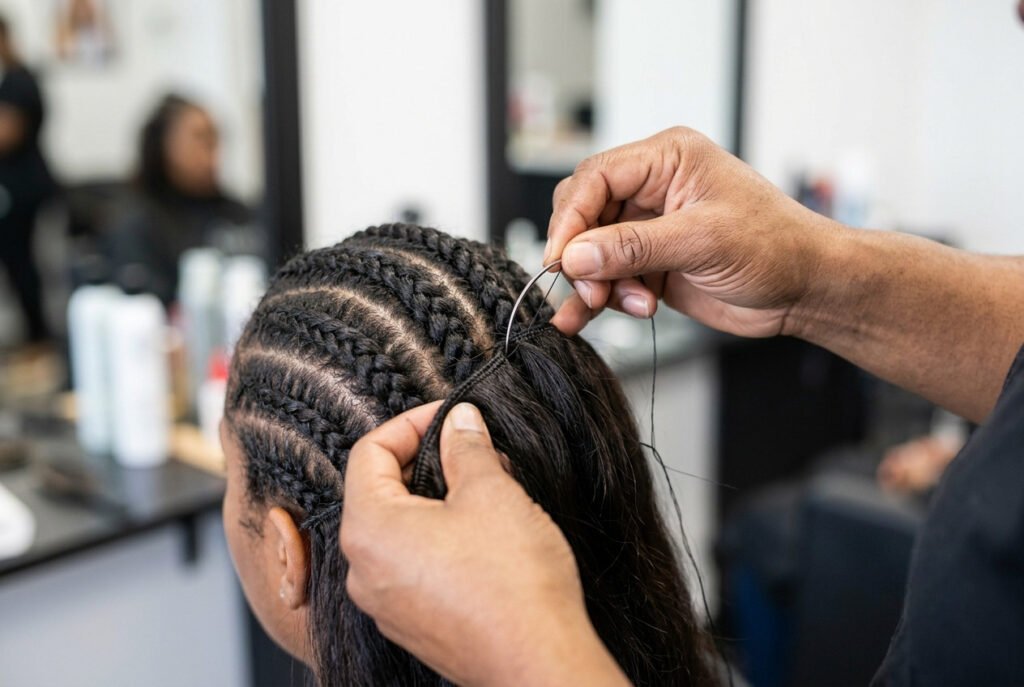
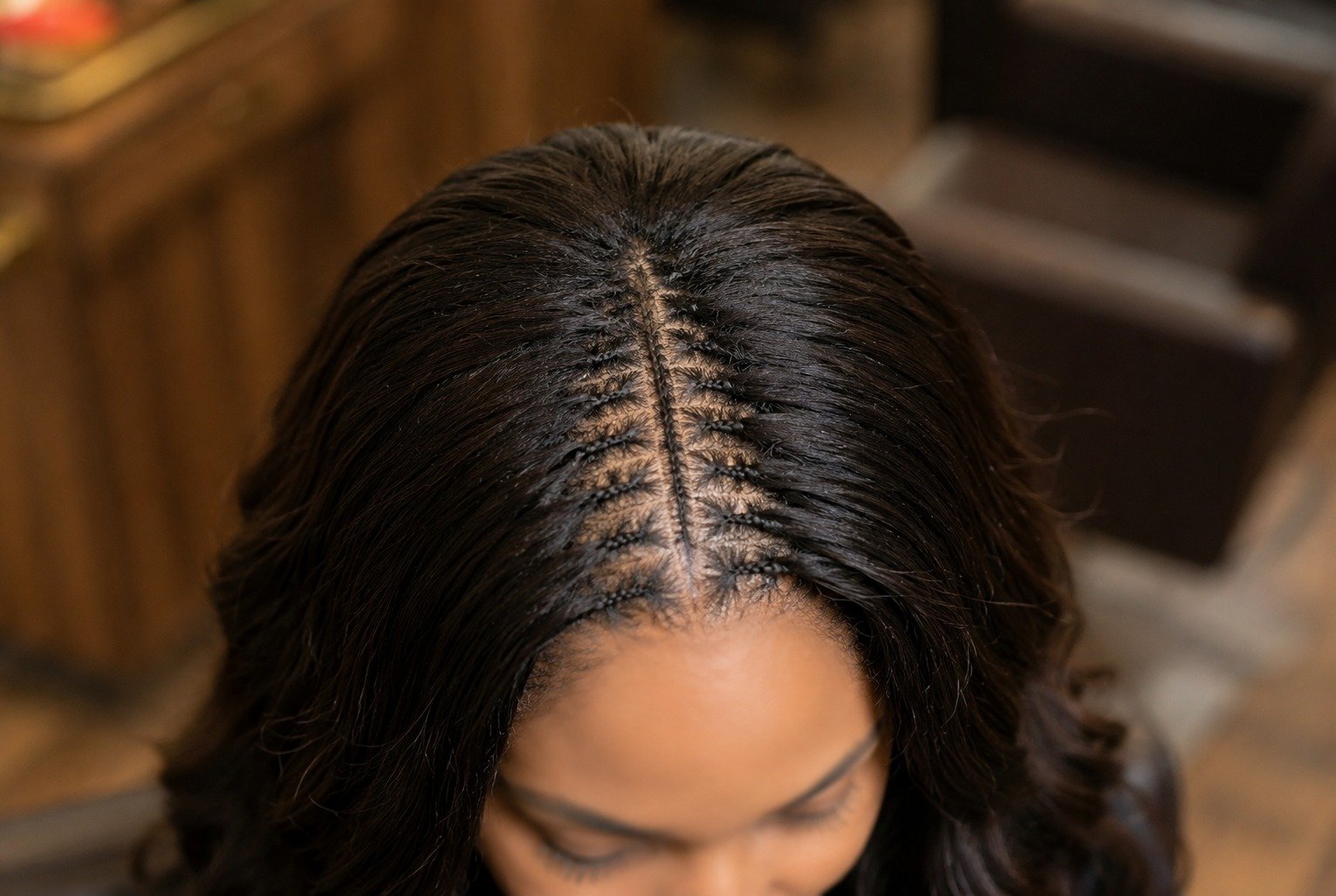
A sew-in is a protective hairstyle where hair extensions are sewn onto braided natural hair using a needle and thread. The natural hair is braided into cornrows to create a secure foundation, and hair wefts are stitched onto the braids instead of being attached with glue or adhesive.
Many people choose a sew-in because it creates a natural-looking style while reducing daily heat styling and frequent manipulation of natural hair. Depending on the installation method, the style may include a leave-out, closure, or frontal to achieve different finishes.
Also Read: How to Sew a Seam by Hand? Easy 5-Step Guide
Why Many People Choose Sew-Ins
A sew-in offers several practical benefits:
Although sew-ins are considered low-maintenance protective styles, they still require regular scalp care and upkeep. Consistent maintenance keeps both the extensions and natural hair healthy throughout the installation.
How Long Does a Sew-In Last?
Most professionally installed sew-ins last 6 to 8 weeks with proper care. The exact lifespan depends on your maintenance routine, natural hair growth, scalp condition, and daily activities.
Some people wear a sew-in for up to 10 weeks, but many hairstylists recommend removing it within two months. As your natural hair grows, the braids loosen, increasing the risk of tangling, shedding, product buildup, and tension on the scalp.
Typical Sew-In Lifespan
| Maintenance Level | Expected Lifespan |
|---|---|
| Excellent maintenance | 8 weeks |
| Regular maintenance | 6–8 weeks |
| Minimal maintenance | 4–6 weeks |
These timeframes are general estimates. Individual results vary based on hair type, installation quality, and how well the sew-in is maintained.
Does Hair Type Affect How Long a Sew-In Lasts?
Yes. Hair texture and growth rate can influence how long a sew-in remains secure and comfortable.
What Affects How Long a Sew-In Lasts?
No two sew-ins last the same amount of time. While most stay in place for 6 to 8 weeks, several factors determine whether the style stays fresh or shows wear sooner.
Installation Quality
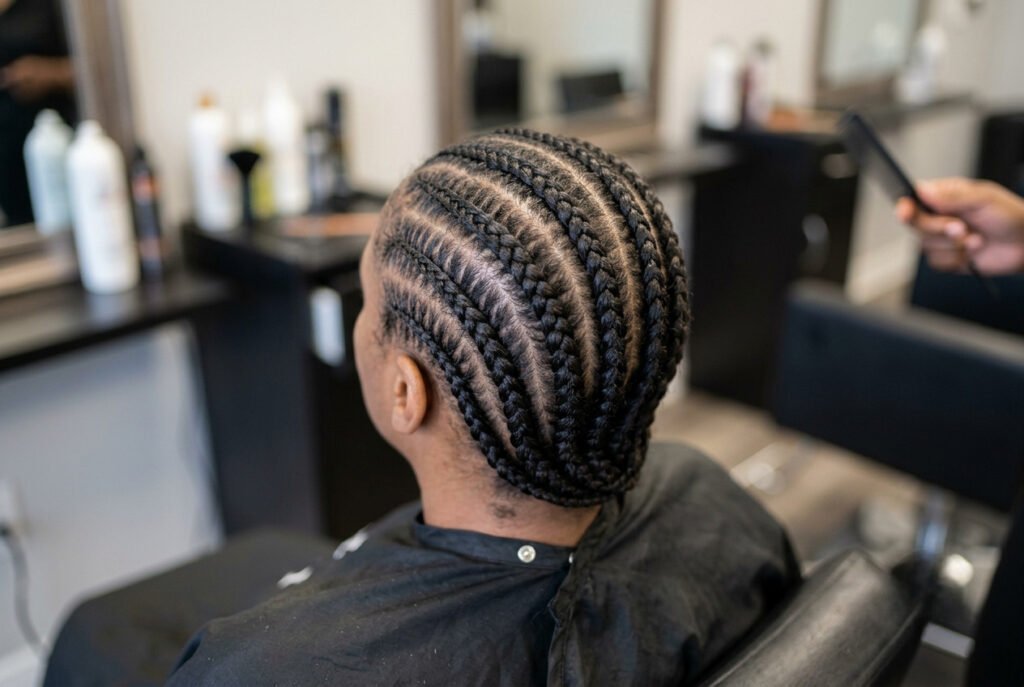
Everything starts with the installation.
A skilled stylist creates neat, evenly tensioned cornrows that provide a secure foundation without pulling tightly on the scalp. The hair wefts should lie flat and be stitched firmly to prevent shifting or loose tracks.
An installation that is too tight can cause discomfort and stress the hairline. One that is too loose may not last and can lift within weeks.
Natural Hair Growth
Natural hair continues to grow underneath the extensions.
As new growth appears, the cornrows loosen, reducing the sew-in’s stability. Faster-growing hair may require earlier removal since the style becomes less secure.
Although this process is normal, leaving the sew-in in too long can cause tangling around the roots and make removal harder.
Hair Extension Quality
The quality of the extensions also plays an important role.
High-quality human hair extensions generally last longer and are easier to maintain than many synthetic alternatives. They also respond better to washing, conditioning, and heat styling, helping the sew-in keep a smoother, more natural appearance.
Lower-quality extensions are more likely to tangle, shed, or become dry before the recommended wear period ends.
Also Read: 10 Best Thread for Sewing: Ultimate Guide 2026
Daily Lifestyle
Your daily routine has a direct impact on sew-in longevity.
Frequent workouts, hot weather, and humid conditions expose the scalp to sweat and moisture. Swimming in chlorinated pools or saltwater can also dry out both the extensions and natural hair.
An active lifestyle does not mean a sew-in will wear out quickly but requires more frequent cleansing and regular maintenance.
Sleep Habits
Nighttime care is often overlooked, yet it makes a noticeable difference.
Sleeping without protecting the hair creates friction that leads to frizz, tangles, and dryness. Cotton pillowcases absorb moisture from both extensions and natural hair.
Wrapping the hair with a satin or silk scarf, wearing a bonnet, or sleeping on a satin pillowcase helps preserve the style and reduces unnecessary wear.
Product Choices
Using the right products keeps the scalp healthier and the sew-in looking its best.
Heavy oils, thick creams, and styling gels can collect around the braids, causing buildup that is difficult to remove. Over time, this may lead to itching, odors, and a less polished appearance.
Lightweight moisturizers and scalp-friendly products help maintain a cleaner, more comfortable protective style.
Maintenance Routine
Consistent sew-in care has the greatest influence on how long the style lasts.
Simple habits can help keep extensions and natural hair in good condition throughout the recommended wear period.
Good hair weave maintenance includes:
A consistent maintenance routine extends the life of a sew-in, keeps the scalp healthy, and makes removal easier when it’s time for a new installation.
How to Make a Sew-In Last Longer
Proper sew-in care helps the style stay neat and protects the natural hair underneath. Consistent habits can improve sew-in longevity, reduce product buildup, and keep both extensions and scalp in good condition during the recommended wear period.
Wash and Dry Your Scalp Properly
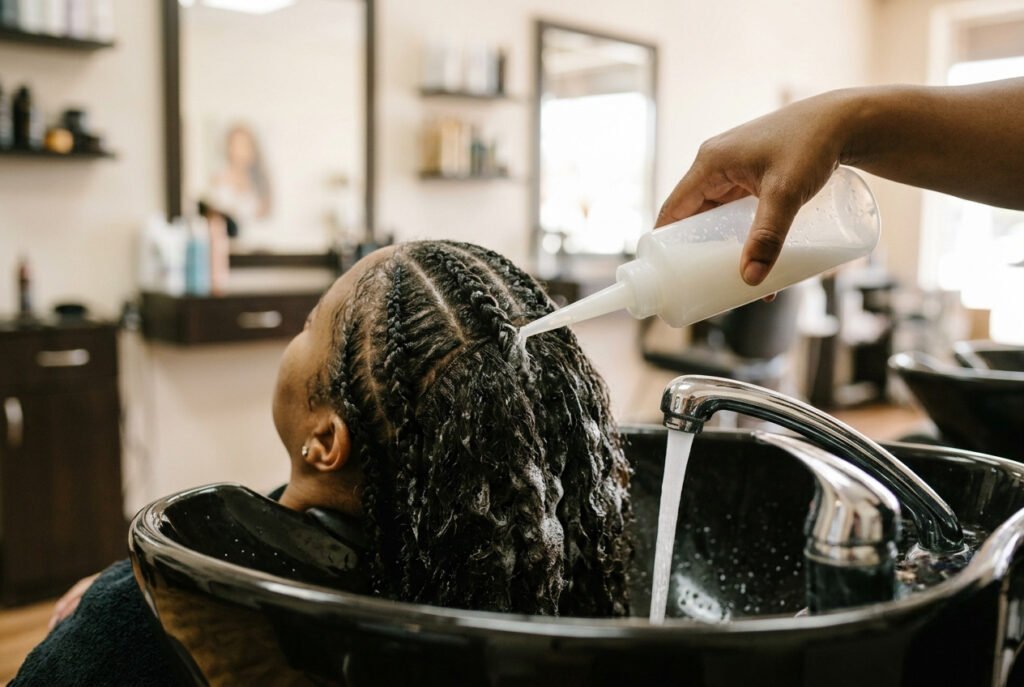
A common misconception is that sew-ins should not be washed. In reality, your scalp continues to produce oil and sweat, making regular cleansing essential.
Wash your scalp every 1 to 2 weeks with a gentle, sulfate-free shampoo. Use an applicator bottle to direct shampoo between the braids without oversaturating the extensions. Massage the scalp gently with your fingertips rather than scratching with your nails.
After washing, dry the braided foundation completely. Trapped moisture can cause scalp irritation, odors, and mildew. Use a hooded dryer or a blow dryer on low or medium heat to ensure the braids dry thoroughly.
Moisturize Your Natural Hair
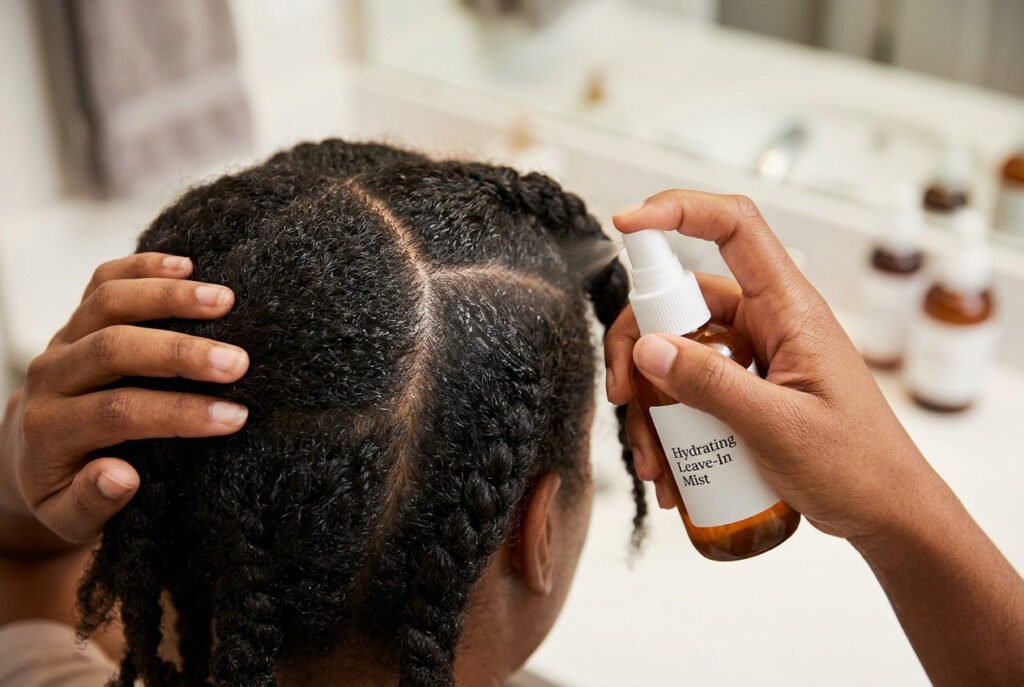
Natural hair still needs moisture while tucked beneath the extensions.
Apply a lightweight leave-in conditioner or moisturizing spray to the scalp and braided sections every few days. Avoid heavy oils and thick creams because they create buildup around the stitches and attract dirt.
Keeping hair hydrated reduces dryness, itching, and breakage during wear and removal.
Protect Your Hair While Sleeping
Nighttime care is one of the simplest ways to extend the life of a sew-in.
Before going to bed:
These habits reduce friction, minimize frizz, and help the hairstyle maintain a smooth, polished appearance.
Limit Heat Styling
Although human hair extensions can usually tolerate heat, frequent styling gradually shortens their lifespan.
Whenever possible, choose heat-free styling methods. If you use a flat or curling iron, apply heat protectant first and keep the temperature low to prevent dryness and split ends.
Brush the Hair Gently
Regular detangling helps keep the extensions smooth and manageable.
Use a wide-tooth comb or a soft paddle brush, beginning at the ends and working upward toward the roots. Hold the hair near the base while brushing to reduce tension on the braids and help prevent loose tracks.
Avoid Heavy Product Buildup
Using too many styling products often does more harm than good.
Heavy creams, oils, and gels can accumulate around the braids, making the sew-in look dull and the scalp uncomfortable. A simple routine with lightweight products designed for protective styles keeps the hair cleaner between washes.
Schedule Maintenance When Needed
Regular sew-in maintenance helps the style stay secure and comfortable throughout its lifespan.
If a few tracks become loose or the braids shift, schedule a maintenance appointment instead of waiting until the entire installation needs replacing. Small touch-ups refresh the style, improve comfort, and protect your natural hair until removal.
With consistent care, a professionally installed sew-in can remain neat, comfortable, and healthy throughout the recommended 6 to 8 weeks of wear.
How Often to Maintain a Sew-In
Regular sew-in maintenance keeps the style looking fresh while protecting your natural hair. Instead of waiting for problems, follow a consistent care routine while wearing your sew-in.
Daily Care
A few simple habits each day can help preserve the style.
Weekly Care
Set aside time each week to check the condition of your sew-in.
Look for:
Addressing these small issues early helps prevent larger problems later.
Every 1 to 2 Weeks
Clean your scalp every 1 to 2 weeks or more often if you exercise frequently or have an oily scalp.
Use a gentle shampoo and dry the braided foundation thoroughly after washing. Cleansing removes sweat, oil, and buildup while maintaining a healthy scalp.
Every 2 to 3 Weeks
If needed, schedule a maintenance appointment with your stylist.
A professional can tighten loose tracks, refresh exposed braids, and check the overall condition of the installation before small issues become bigger ones.
Every 6 to 8 Weeks
Most hairstylists recommend removing and reinstalling a sew-in within 6 to 8 weeks.
Even if the extensions still look good, your natural hair continues to grow underneath. Removing the sew-in on time allows you to cleanse, detangle, deep condition, and trim your natural hair before installing a new protective style.
Following this maintenance schedule helps maximize sew-in longevity while keeping both the extensions and natural hair healthy.
Signs It Is Time to Remove the Sew-In
Even the best sew-in eventually needs removal for health. Leaving it too long can lead to tangling, product buildup, scalp irritation, and stress on your natural hair.
Recognizing these sew-in removal signs early helps protect both your extensions and the hair underneath, making the removal process easier and reducing the risk of breakage.
Excessive New Hair Growth
Natural hair continues to grow while your sew-in is installed.
As new growth appears, the cornrows gradually loosen, creating extra space between the scalp and the braided foundation. This makes the extensions feel less secure and increases the likelihood of tangling at the roots.
If the sew-in begins shifting noticeably, it’s usually time to schedule removal.
Persistent Itching or Scalp Irritation
Mild itching during the first few days after installation is common.
However, ongoing itching, tenderness, or scalp irritation may indicate product buildup, dryness, trapped moisture, or tension. If gentle cleansing and moisturizing do not help, removing the sew-in is the healthiest choice.
Loose Tracks or Lifted Wefts
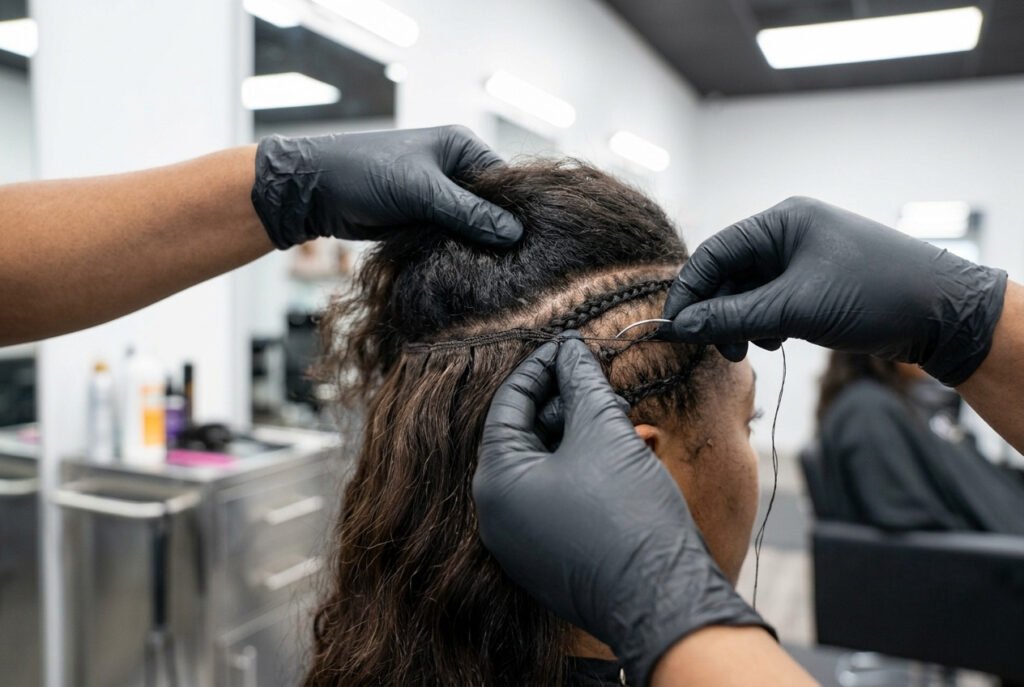
A properly installed sew-in should remain secure throughout its recommended wear period.
If several tracks lift or stitching loosens, the style no longer supports well. Leaving loose wefts adds tension to the remaining braids and raises damage risk.
Tangling at the Roots
Tangling underneath the extensions is one of the most common signs that a sew-in has reached the end of its lifespan.
As your natural hair sheds each day, loose strands become trapped within the braids. Over time, these hairs wrap around new growth and form knots that grow harder to remove.
Removing the sew-in on time makes detangling much easier and helps minimize breakage.
Unpleasant Odor
A clean sew-in should not develop a persistent odor.
An unpleasant smell often means moisture is trapped inside the braids or product buildup has accumulated on the scalp. These conditions reduce comfort and create an unhealthy environment for your natural hair.
Removing the sew-in allows for a thorough cleanse before installing another protective style.
Excessive Shedding or Breakage
Some shedding is completely normal when removing a sew-in because naturally shed hairs have been trapped beneath the braids for several weeks.
However, noticeable breakage while the sew-in is installed, thinning around the hairline, or excessive hair loss during maintenance may indicate the style was worn too long or installed with too much tension.
Addressing these issues promptly helps prevent further damage and supports healthier hair growth.
Pain, Tenderness, or Scalp Bumps
A sew-in should feel secure, but it should never remain painful.
Persistent soreness, tenderness, or small bumps along the scalp may indicate excessive tension, irritation, or inflammation around hair follicles. Continuing to wear the style in this condition increases the risk of traction-related hair loss.
If pain does not improve after the first few days, removal is usually the safest choice.
Why Timely Removal Matters
A sew-in protects natural hair only when worn for the recommended time and properly cared for. Once signs of wear appear, keeping it longer increases tangling, breakage, and scalp issues.
Removing the sew-in within 6 to 8 weeks lets your natural hair be cleansed, detangled, deep-conditioned, and assessed before the next protective style. This step helps maintain healthier hair long term and makes future installations more comfortable and successful.
Can a Sew-In Damage Natural Hair?
A properly installed sew-in should not damage healthy natural hair. Many people choose sew-ins because they protect hair from daily heat styling, environmental exposure, and excessive manipulation.
Most problems develop from poor installation, improper maintenance, or leaving the sew-in in longer than recommended. With the right care, a sew-in can remain a safe and effective protective hairstyle.
Braids That Are Too Tight
Everything begins with a proper installation.
The braids should feel secure but never painful. Excessive tension stresses the hair follicles and scalp, increasing the risk of breakage and traction alopecia, a form of hair loss caused by prolonged pulling.
If your scalp feels sore or painful for more than a few days after installation, the sew-in may be too tight.
Skipping Scalp Care
A healthy scalp is essential for healthy hair.
While wearing a sew-in, the scalp continues to produce natural oils, sweat, and shed skin cells. Without regular cleansing and moisturizing, product buildup can lead to itching, irritation, and an unhealthy environment for natural hair growth.
Gentle washing and lightweight moisturizers help keep the scalp clean and comfortable throughout the life of the sew-in.
Wearing the Sew-In Too Long
A common cause of damage is leaving the sew-in installed beyond its recommended wear period.
As natural hair grows, the cornrows gradually loosen, allowing shed hairs to collect beneath the braids. Over time, this can lead to tangling, matting, and increased breakage during removal.
For most people, removing the sew-in within 6 to 8 weeks helps maintain healthier natural hair.
Removing the Sew-In Incorrectly
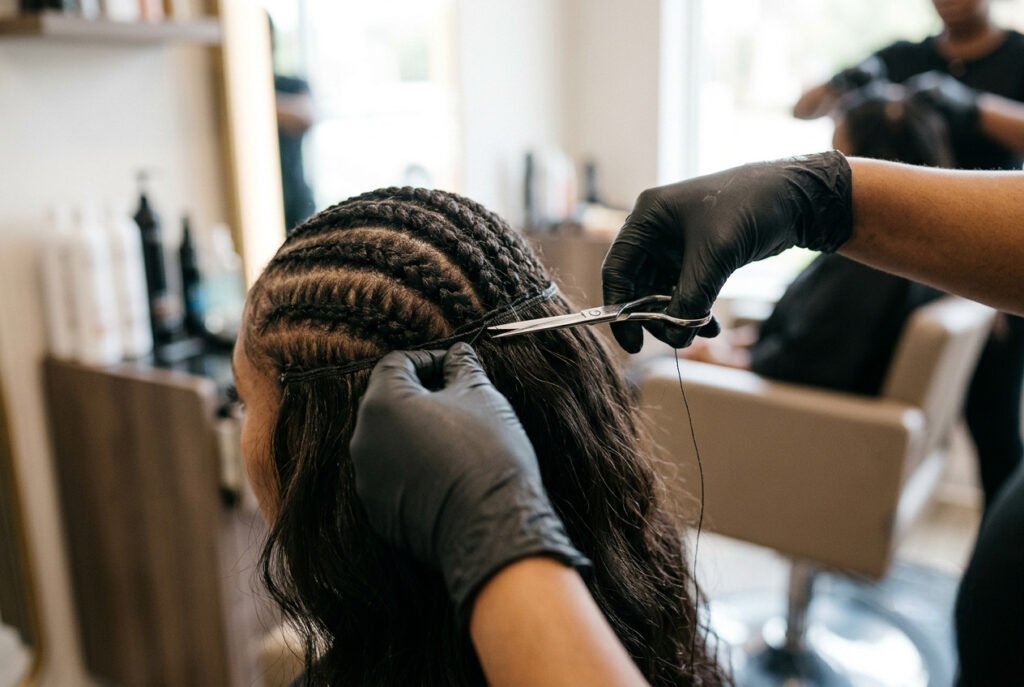
The removal process requires patience.
Pulling on the extensions or cutting the stitching too quickly can damage natural hair. Removing the sew-in carefully and detangling gently helps minimize breakage and makes post-removal care easier.
Also Read: Best Sewing Scissors: Top Picks 2026
Heavy or Poorly Balanced Extensions
Hair extensions that are excessively heavy for your natural hair can place added stress on the roots.
Over time, the extra weight may cause tension, discomfort, and strain on the scalp. Choosing extensions that match your hair’s density and strength creates a more comfortable, balanced installation.
Common Mistakes That Shorten a Sew-In’s Lifespan
Even a professionally installed sew-in can wear out early if not cared for properly. Avoiding these common mistakes helps keep both extensions and natural hair in better condition.
Sleeping Without Protection
Sleeping on a cotton pillowcase causes friction that leads to frizz, dryness, and tangles.
Wrapping your hair with a satin or silk scarf, wearing a bonnet, or sleeping on a satin pillowcase helps preserve the hairstyle and reduce unnecessary wear.
Using Excessive Heat
Human hair extensions tolerate heat, but daily use gradually reduces their lifespan.
Using lower heat settings and applying a heat protectant before styling helps maintain softness while reducing damage to both the extensions and any exposed natural hair.
Applying Heavy Products
Using large amounts of heavy oils, creams, or styling gels often causes product buildup around the braids.
Lightweight products designed for protective styles help keep the scalp cleaner and make routine maintenance much easier.
Ignoring Loose Tracks
Loose tracks rarely improve on their own.
If the stitching begins to loosen or the extensions start shifting, scheduling a maintenance appointment can prevent additional tension and help extend the life of the sew-in.
Skipping Regular Washing
Some people avoid washing their sew-in fearing it will loosen the braids.
Allowing sweat, oil, and product buildup on the scalp shortens the hairstyle’s life and increases irritation risk. Gentle cleansing every 1 to 2 weeks supports scalp health and long-lasting results.
Tips for Getting the Most From a Sew-In
A few consistent habits can improve both hair weave maintenance and the overall protective hairstyle lifespan.
Following these simple practices helps protect your natural hair, extends the life of your sew-in, and makes each new installation healthier and easier to maintain.
Conclusion about Sew-In Last?
So, how long does a sew-in last? For most people, a professionally installed sew-in lasts 6 to 8 weeks with proper care. The extensions may still look good after that, but your natural hair underneath continues to grow and needs regular attention to stay healthy.
The best results come from following a consistent sew-in maintenance routine. Cleaning the scalp, moisturizing natural hair, protecting the style while sleeping, and scheduling maintenance when needed all help keep the sew-in fresh and reduce the risk of tangling, buildup, and breakage.
Rather than trying to wear a sew-in as long as possible, focus on wearing it for the recommended time and removing it when signs show it’s ready. With proper care, a sew-in can stay comfortable, natural-looking, and protective from installation through removal. This helps you enjoy the style while keeping your natural hair healthy for your next look.