10 Best Thread for Sewing: Ultimate Guide 2026
Choosing the best thread for sewing ensures strong seams, smooth stitching, and lasting results. While fabric and needles matter, thread directly affects durability, stitch appearance, and sewing performance. Using the wrong type can cause breakage, lint buildup, and uneven stitches.
Different projects require different thread materials. Cotton works well for quilting, polyester is versatile for everyday sewing, and specialty threads serve specific uses.
Understanding these differences makes it easier to match thread to fabric and achieve reliable results. In this guide, I’ll review dependable sewing threads and share practical tips for selecting the right option for your sewing projects.
Why Thread Choice Matters
Thread is more than a material that holds fabric together. It is an essential part of the seam’s strength and performance. Choosing the wrong thread can cause puckering, breakage, uneven stitching, or seams that wear out prematurely.
The right thread creates smoother stitches, stronger seams, and a more durable finished project. Polyester thread is popular for general sewing because it combines strength, durability, and slight flexibility, making it suitable for many fabrics and everyday projects.
Cotton thread is often preferred for quilting and cotton fabrics where a natural-fiber finish is desired. Matching thread to fabric ensures consistent performance, better seam longevity, and a more professional result after repeated washing and wear.
Also Read: What Is a Basting Stitch in Sewing? Easy Guide
How We Evaluated These Threads
I evaluated each thread based on factors that directly affect sewing performance rather than relying solely on manufacturer specifications. The assessment focused on stitch quality, tension consistency, break resistance, lint production, fabric compatibility, and overall ease of use.
Threads were tested across common sewing applications, including garment construction, quilting, denim, and everyday sewing projects. I also considered how each thread performed on a standard sewing machine. Consistent feeding and balanced tension are important for clean, durable seams.
In addition to sewing performance, overall value was considered. Durability, spool size, versatility, and long-term reliability helped identify threads that deliver dependable results across various projects.
Best Thread for Sewing
Finding the best thread for sewing depends on the fabric, sewing technique, and project needs. Some threads suit everyday garment construction, while others excel in quilting, embroidery, denim repairs, or outdoor use.
To narrow the options, I evaluated threads based on stitch quality, durability, lint production, ease of use, fabric compatibility, and overall value.
The selections below offer reliable choices for various sewing needs, from basic alterations to projects requiring extra strength or decorative finishes.
1. Aurifil A1050-2600 Mako Cotton Thread
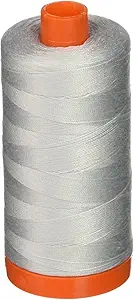
A popular choice among quilters and garment sewists, the Aurifil Mako Cotton 50WT is often considered one of the best thread for sewing projects requiring smooth, consistent stitching. Made from premium long-staple Egyptian cotton, it produces minimal lint and glides cleanly through domestic and longarm sewing machines.
The fine 50-weight construction works well for piecing, quilting, appliqué, and detailed sewing where reduced bulk is important. Its large 1,422-yard spool also offers excellent value for frequent sewing.
However, as a cotton thread, it may not provide the same stretch and durability as polyester for high-stress seams on heavily used garments. Overall, it is a dependable, high-quality thread that delivers professional-looking results across a wide range of sewing applications.
Pros
Cons
2. Gutermann Sew-All Thread Set

The Gutermann Sew-All Thread Set is a versatile collection suited for a wide range of sewing projects, making it a practical contender for the best thread for sewing category.
The set includes 20 assorted polyester threads, offering useful color variety for garment construction, alterations, repairs, and general craft work.
Gutermann’s Sew-All thread is known for its consistent strength, smooth performance, and compatibility with both hand sewing and sewing machines.
The polyester construction offers durability and slight elasticity, helping seams withstand regular wear and laundering.
While the thread quality is reliable, the 100-meter spools may limit larger projects that require substantial yardage. Overall, this set is a convenient and dependable option for sewists who want a broad selection of colors without purchasing individual spools.
Also Read: How to Sew a Seam by Hand? Easy 5-Step Guide
Pros
Cons
3. Superior Threads MasterPiece

The Superior Threads MasterPiece 50WT is a premium cotton thread favored by quilters and precision sewists, considered one of the best thread for detailed sewing. Made from extra-long staple Egyptian cotton, it delivers smooth, consistent stitching with low lint production, helping maintain cleaner machine performance.
Its 3-ply construction provides reliable strength while remaining fine enough for piecing, appliqué, topstitching, and general sewing where accuracy matters. The thread lays flat in seams and blends well into fabric without adding bulk.
The 600-yard spool offers less yardage than some competing quilting threads, and cotton thread may not suit projects requiring stretch. Overall, it is a well-made thread that combines stitch quality, strength, and low lint performance for a professional finish.
Pros
Cons
4. Coats Dual Duty XP General Purpose Thread Box

The Coats Dual Duty XP General Purpose Thread Box is a practical assortment for everyday sewing needs, making it a solid candidate for the best thread for sewing category. The set includes 15 common thread colors, offering convenient options for garment repairs, alterations, home décor projects, and general sewing.
Made from polyester-wrapped core-spun construction, Dual Duty XP combines strength with flexibility, helping seams withstand regular wear and repeated washing. The thread runs smoothly through most sewing machines and works well on various fabrics.
While the assortment offers good versatility, experienced sewists may find the color selection limited for specialized projects. Overall, it is a dependable, budget-friendly thread set that delivers reliable performance for routine sewing tasks.
Also Read: How to Sew a Rip? Easy 6- Step Guide
Also Read: How to Sew a Curtain? Easy Steps for Perfect Results
Pros
Cons
5. New brothread Multi-Purpose 100% Mercerized Cotton Thread

The New brothread Multi-Purpose Mercerized Cotton Thread Set combines versatility and value, making it a strong choice among the Best Thread for Sewing for quilting, sewing, embroidery, and serger projects. The set includes 12 vibrant colors. Each spool provides 600 meters (660 yards) of thread.
Made from 100% mercerized cotton, the thread has a smooth finish, better strength, and less lint than standard cotton threads. It works well on cotton fabrics and decorative stitching projects, delivering a clean, natural look.
However, cotton thread has less elasticity than polyester, so some users may need to adjust machine tension for the best results. Overall, this set provides solid quality, ample yardage, and useful color variety at an accessible price point.
Pros
Cons
6. Coats & Clark Dual Duty All-Purpose Thread

The Coats & Clark Dual Duty All-Purpose Thread 2-Pack is a practical everyday option considered among the best thread for sewing for general repairs, alterations, and garment construction. The pack includes two essential colors, black and white, with 400 yards per spool to cover many common sewing needs.
Made from durable polyester, the thread offers a good balance of strength, flexibility, and wear resistance. It works smoothly in most sewing machines and suits a variety of fabrics, from lightweight cottons to blends.
While it performs reliably for everyday projects, the limited color selection may not meet the needs of sewists working with a wider range of fabrics. Overall, it is a cost-effective and dependable thread set that keeps the two most frequently used colors readily available.
Pros
Cons
7. New brothread 40 Colors Polyester Embroidery Machine Thread Kit

The New Brothread 40 Colors Polyester Embroidery Thread Kit is a versatile collection for machine embroidery and decorative sewing. It is a strong contender among the best thread for sewing options for creative projects. The kit includes 40 vibrant colors. Each spool offers 500 meters (550 yards) of polyester thread, providing an excellent variety for embroidery designs and embellishments.
The polyester construction delivers good strength, color retention, and resistance to shrinkage. This helps embroidered designs maintain their appearance through repeated washing. It is compatible with many popular embroidery and sewing machine brands, making it accessible to a wide range of users.
However, this thread is mainly intended for embroidery rather than heavy-duty seam construction. Some machines may require minor tension adjustments. Overall, it is a practical, value-focused thread set for sewists and embroiderers who need a broad color selection.
Also Read: Can You Embroider With a Sewing Machine? Easy Guide
Also Read: How to Sew a Pocket Square? Two Easy Methods
Pros
Cons
8. Gutermann Denim Thread Set

The Gutermann Denim Thread Set is made for sewing, repairing, and topstitching denim fabrics. It is a specialized option among the best thread for sewing choices for jeans and heavyweight garments. The set includes six denim-inspired colors that blend well with various denim washes and shades.
Made for strength and durability, the thread performs well on thick fabrics where standard all-purpose thread may lack seam security. It is useful for visible topstitching, hemming, and repairs that need a sturdy finish.
However, its heavier construction may not suit lightweight fabrics or delicate sewing projects. Overall, this set is a reliable choice for sewists who frequently work with denim and other durable materials.
Pros
Cons
9. SINGER 60013 All Purpose Polyester Thread

The SINGER 60013 All Purpose Polyester Thread is a dependable everyday option worth considering among the best threads for sewing choices for general household sewing and repairs. It works well on a wide range of fabrics, including cotton, polyester blends, and lightweight to medium-weight materials.
The polyester construction provides strength, flexibility, and resistance to shrinking, making it suitable for seams that withstand regular wear and laundering. It runs smoothly through most sewing machines and is suitable for hand sewing.
While reliable for routine projects, it is not designed for specialized applications like quilting, embroidery, or heavy-duty topstitching. Overall, it is an affordable and practical thread that meets the needs of most everyday sewing projects.
Pros
Cons
10. Simthread UV Resistant Heavy Duty Outdoor Thread

The Simthread UV-Resistant Heavy-Duty Outdoor Thread is built for demanding applications, making it a top choice for sewing outdoor gear, upholstery, marine projects, and heavy-duty repairs. Made from 100% bonded polyester, it resists UV exposure, moisture, and abrasion better than standard sewing threads.
The Tex 69 (12wt) weight provides excellent seam strength for thick fabrics such as canvas, vinyl, outdoor cushions, and bags. It works for both hand and machine sewing, though some domestic sewing machines may need larger needles and tension adjustments to handle the heavier thread.
Its thickness makes it unsuitable for lightweight fabrics and fine garment construction. Overall, it is a durable, purpose-built thread for projects that require long-lasting performance in outdoor conditions.
Pros
Cons
Best Thread for Sewing by Project Type
Best Thread for Everyday Garment Sewing
Polyester thread is a practical choice for everyday garment sewing because it combines strength, durability, and flexibility. It performs well on many fabrics, including cotton blends and synthetics. Its resistance to wear and repeated washing makes it dependable for most sewing projects.
Best Thread for Quilting
Cotton thread is widely used for quilting because it works naturally with cotton fabrics and produces a smooth, consistent finish. Many quilters prefer cotton thread for piecing and quilting due to its traditional appearance and reliable performance.
Best for Stretch Fabrics
Polyester thread is better for knit and stretch fabrics because it is more flexible than cotton. This helps seams stretch with the fabric and reduces strain on stitches during wear.
Also Read: How to Sew a Knitted Sweater Together? Easy Guide
Best for Heavy-Duty Sewing
For denim, canvas, bags, and other tough projects, strong polyester thread is usually the best choice. It resists abrasion and keeps seams strong, making it ideal for fabrics that face frequent use and stress.
What to Look for Before Buying
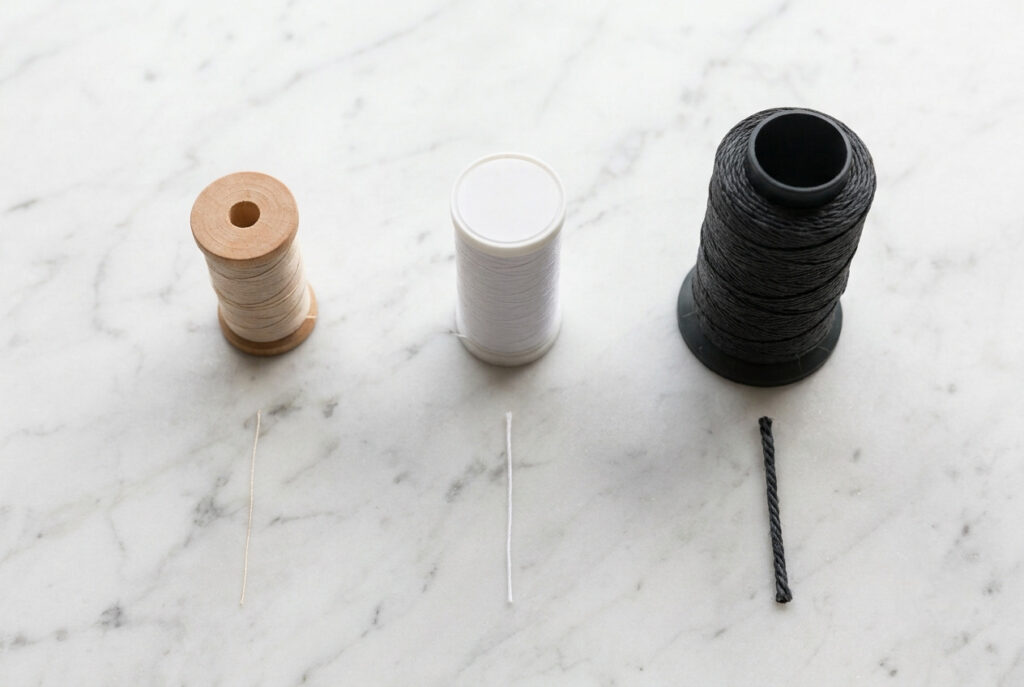
Before picking a thread, consider the thread material, fabric type, and project purpose. Cotton and polyester threads vary in strength, flexibility, and durability after many washes.
Thread weight is also important. Lightweight fabrics generally work best with finer threads, while heavier materials often require stronger options.
A quality thread should feed smoothly through the machine, maintain consistent tension, and create even stitches. Keeping a few thread types on hand is often more effective than relying on a single thread for every project.
Polyester vs. Cotton Thread
Choosing between polyester and cotton thread depends on the fabric, sewing technique, and the result you want to achieve. Neither thread is better in every situation; each has strengths that suit specific sewing projects.
Polyester thread is known for its strength, durability, and slight flexibility. It performs well on most fabrics, making it a dependable choice for garment construction, repairs, stretch fabrics, and everyday sewing. Its resistance to abrasion and washing makes it practical for projects with frequent use.
Cotton thread is commonly preferred for quilting and cotton fabrics because it has similar properties to the fabric itself. It produces a smooth, natural finish and is often chosen for piecing, quilting, and heirloom sewing where a traditional appearance is desired.
Choose Polyester Thread When You:
Choose Cotton Thread When You:
Polyester thread is the most versatile choice for general sewing because it offers excellent strength, durability, and works well with many fabrics. Cotton thread remains the preferred option for quilting and cotton-based projects, where a natural finish and fabric compatibility matter most.
How to Choose the Best Thread for Sewing
Selecting the right thread starts with the fabric rather than the color. Matching thread color helps create a polished appearance, but fiber type, thread weight, and performance have a greater impact on stitch quality and seam durability.
Match Thread to Fabric
The thread should complement the fabric’s characteristics. Cotton thread is often preferred for quilting and cotton fabrics because both materials behave similarly during washing and wear.
Polyester thread is more versatile and works well for most garment sewing projects, including synthetic and blended fabrics. Matching thread and fabric helps create balanced, long-lasting seams.
Consider Thread Weight
Thread weight affects both seam appearance and strength. Lightweight fabrics generally require finer threads that won’t add bulk, while heavier materials such as denim, canvas, and upholstery fabrics benefit from stronger thread options. Using the right weight improves stitch formation and reduces unnecessary stress on the fabric.
Think About Project Requirements
Different sewing projects place different demands on thread. Everyday garments benefit from all-purpose polyester thread, while quilts perform well with quality cotton thread. Stretch fabrics require polyester thread because it offers more flexibility than cotton, helping seams move with the fabric during wear.
Choose Quality Thread
Thread quality influences machine performance as much as seam durability. Well-made thread produces less lint, maintains consistent tension, and is less likely to fray or break during sewing. Consistent thread quality also contributes to cleaner stitches and a more professional finish.
Check Machine Compatibility
Most domestic sewing machines work well with standard all-purpose polyester thread. Specialty threads like heavy-duty, metallic, or decorative may require needle adjustments or tension changes for optimal performance. Always test thread settings on a fabric scrap before starting a project.
Build a Practical Thread Collection
Rather than relying on a single spool for every project, keep a small selection of thread types on hand. An all-purpose polyester thread, a quality cotton quilting thread, and a heavier-duty option cover most sewing needs and provide better results across different fabrics and applications.
Also Read: Best Sewing Scissors: Top Picks 2026
Also Read: Do You Need Safety Goggles When Sewing?
Best Thread for Sewing Comparison Table
| Product | Thread Type | Weight / Size | Best For | Key Strengths |
|---|---|---|---|---|
| Gutermann Sew-All Thread Set | Polyester | 100m Spools | Everyday sewing, garments, alterations | Strong, smooth, versatile, machine-friendly |
| Aurifil Mako Cotton 50WT | Egyptian Cotton | 50WT | Quilting, piecing, apparel sewing | Low lint, smooth stitching, minimal bulk |
| Superior Threads MasterPiece | Egyptian Cotton | 50WT | Precision quilting, appliqué, detailed sewing | Fine diameter, low lint, excellent stitch definition |
| Coats Dual Duty XP Thread Box | Core-Spun Polyester | General Purpose | Garment sewing, repairs, home décor | Strong seams, flexible, reliable performance |
| New Brothread Mercerized Cotton Set | Mercerized Cotton | 600m per spool | Quilting, decorative sewing, embroidery | Smooth finish, generous yardage |
| Coats & Clark Dual Duty 2-Pack | Polyester | 400 Yards per spool | Everyday repairs and basic sewing | Durable, affordable, versatile colors |
| SINGER All-Purpose Polyester Thread | Polyester | Standard Weight | General household sewing | Reliable, easy to use, machine compatible |
| Gutermann Denim Thread Set | Heavy-Duty Polyester | Denim Weight | Denim, topstitching, repairs | Strong seams, suitable for heavyweight fabrics |
| New Brothread Embroidery Kit | Polyester Embroidery Thread | 500m per spool | Machine embroidery, decorative stitching | Extensive color range, colorfast performance |
| Simthread UV-Resistant Outdoor Thread | Bonded Polyester | Tex 69 (12WT) | Outdoor cushions, canvas, marine projects | UV-resistant, abrasion-resistant, weather-resistant |
Quick Comparison
| Sewing Need | Recommended Thread |
|---|---|
| Best Overall | Gutermann Sew-All Thread |
| Best for Quilting | Aurifil Mako Cotton 50WT |
| Best Cotton Thread | Superior Threads MasterPiece |
| Best for Garment Sewing | Gutermann Sew-All Thread |
| Best Budget Choice | Coats & Clark Dual Duty XP |
| Best for Denim | Gutermann Denim Thread |
| Best for Embroidery | New Brothread Embroidery Kit |
| Best for Outdoor Projects | Simthread UV-Resistant Outdoor Thread |
| Best for Beginners | SINGER All-Purpose Polyester Thread |
| Best Color Variety | New Brothread Embroidery Kit |
FAQs About the Best Thread for Sewing
Final Thoughts: Best Thread for Sewing
Choosing the best thread for sewing involves more than selecting a color that matches your fabric. The right thread adds seam strength, stitch consistency, durability, and overall quality to a finished project.
Factors like fiber type, thread weight, fabric compatibility, and intended use all play important roles in achieving reliable results. For most sewing applications, a quality polyester thread offers versatility and durability across a wide range of fabrics.
Quilters and sewists working primarily with cotton fabrics may prefer cotton thread for its natural appearance and compatibility. Projects involving denim, canvas, outdoor materials, or decorative stitching often benefit from specialty threads designed for those specific purposes.
Matching the thread to the fabric and project requirements improves sewing performance, reduces common stitching issues, and creates projects that withstand regular use.
Investing in a dependable thread is a small decision with a significant impact on the appearance, strength, and longevity of your sewing work.
7 Comments