Do You Need Safety Goggles When Sewing?
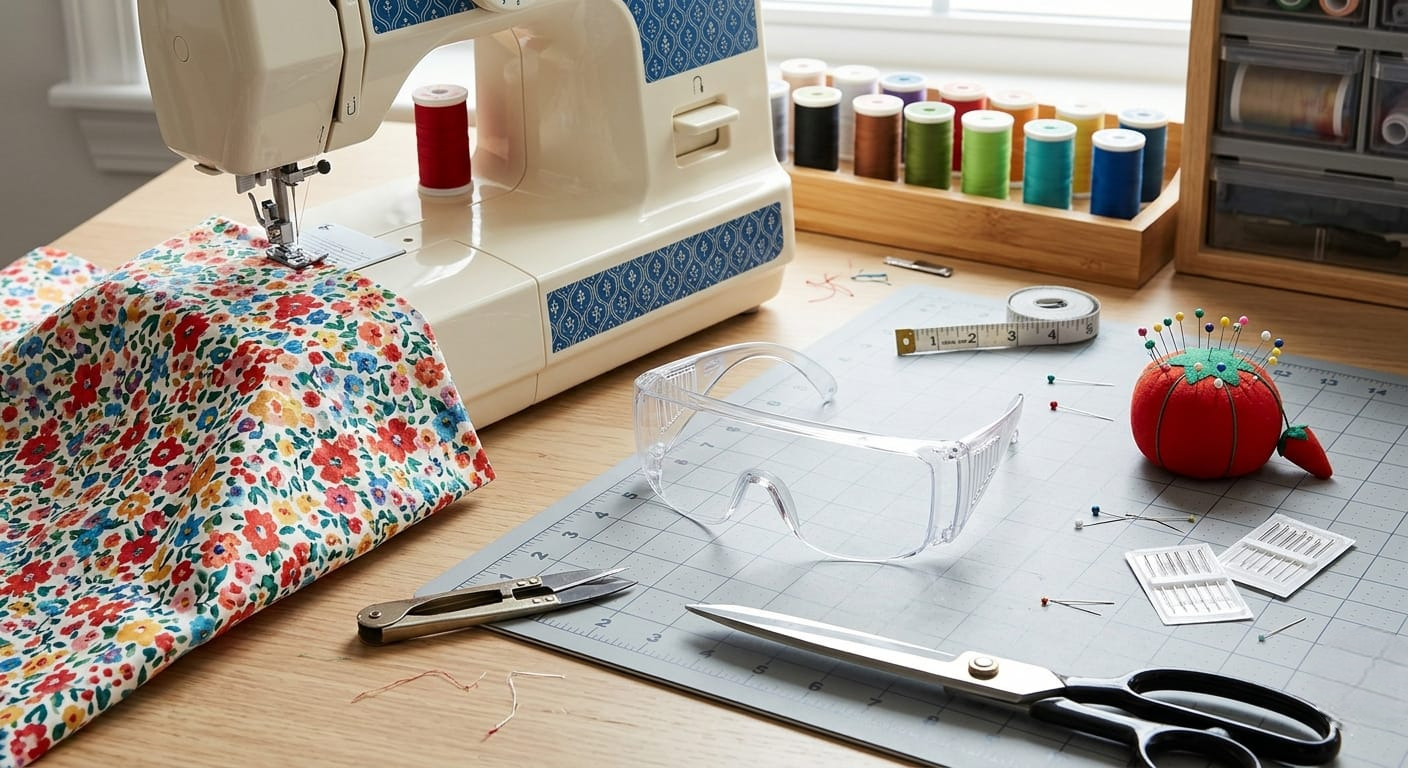
If you’ve ever wondered, do you need safety goggles when sewing? For most home sewing projects, the answer is no. However, safety glasses or other protective eyewear are a sensible choice when using a sewing machine, working with thick fabrics, or sewing materials that place extra stress on the needle.
After years of sewing garments, quilting, knitting accessories, and repairing clothing, I’ve seen how quickly a needle can snap when stitching heavy fabric. That experience reinforced the value of eye protection against broken needles, flying pins, and fabric debris.
Whether you’re new to sewing or experienced, understanding when to wear protective eyewear supports a safer workspace. This guide covers common sewing eye hazards, when safety glasses or goggles are appropriate, and tips for reducing eye injury risks.
Also Read: How to Fix a Dropped Stitch: A Complete Guide for Knitters
Also Read: How to Add Stitches When Knitting: Easy Guide
Why Eye Protection Matters More Than Most Sewists Realize
Many people associate safety equipment with construction sites or woodworking shops, not sewing rooms. Sewing machines operate at hundreds to thousands of stitches per minute, so the needle moves under high mechanical force as it pierces fabric.
Most sewing sessions finish without problems, but that does not eliminate the possibility of accidents. Sewing-related eye hazards can occur, especially when working with thick fabrics or operating a machine at high speeds.
Common Sewing Eye Hazards
Understanding potential risks helps improve sewing safety and makes it easier to take the right precautions. Some of the most common sewing eye hazards include:
Also Read: How to Use Stitch Markers for Knitting: Easy Guide
Also Read: How Do You Weave in Ends in Knitting? Step-by-Step
Each of these situations can send small fragments in different directions. For that reason, many sewists view protective eyewear as a useful safety practice rather than an unnecessary accessory.
I still remember shortening a pair of thick denim jeans when a needle snapped in the middle of a seam. One piece stayed in the machine, while the other flew across the room. That experience made me more mindful of safety in sewing and highlighted the value of wearing protective eyewear on higher-risk projects.
Compared with the potential consequences of an eye injury, a pair of safety glasses is a simple preventive measure that provides added protection in a variety of sewing environments.
When Safety Goggles Are Necessary for Sewing
Not every sewing project carries the same risk. In most home sewing, safety glasses suffice. However, some cases recommend safety goggles or impact-resistant eyewear to protect your eyes from needle breakage, flying fragments, or fabric debris.
Understanding these situations helps you choose the right protection without complicating your sewing routine.
1. Sewing Thick or Bulky Materials
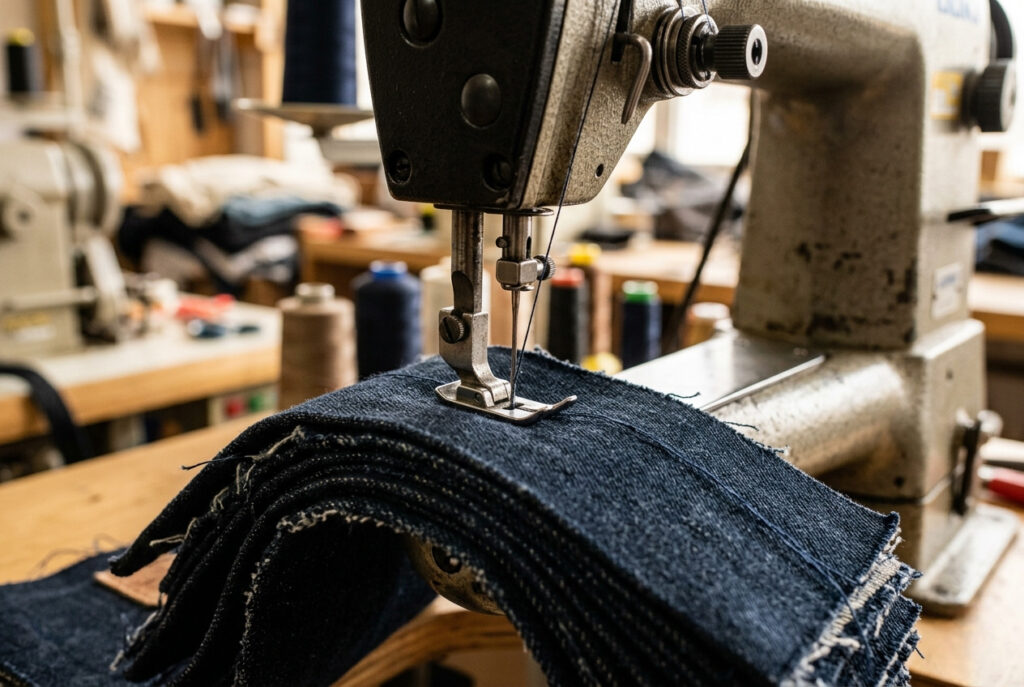
When working with dense fabrics such as denim, canvas, leather, vinyl, or multiple-layer quilts, the sewing machine needle is subjected to greater mechanical stress. This can increase the chance of bending or snapping, especially if the wrong needle size is used or the machine hits a thick seam.
In these cases, impact-resistant safety glasses or fully sealed safety goggles are highly recommended.
Common high-risk materials include:
You may notice warning signs that the machine is under strain, such as skipped stitches, loud clicking, or difficulty feeding the fabric. This means you should pause sewing and reassess your setup.
Also Read: Best Yarn for Blanket Knitting| Expert Guide 2025
2. High-Speed Sewing Machine Use
Modern domestic and industrial machines operate at very high stitch speeds. At these speeds, a broken needle fragment can become a high-speed fragment.
The faster the machine runs:
For frequent high-speed sewing, lightweight wraparound safety glasses provide comfortable eye protection without interfering with visibility or movement.
3. Industrial or Professional Sewing Environments
In manufacturing or factory settings, sewing is continuous and often involves heavy-duty materials. Because of extended exposure and higher risk, eye protection is usually part of workplace safety standards, including OSHA guidelines.
In these environments, workers often handle:
Here, protective eyewear is typically required but a standard safety requirement along with proper lighting, machine maintenance, and ergonomic workstations.
4. Working with Damaged or Worn Needles
A bent, dull, or cracked needle is a common cause of sudden breakage. Even if it hasn’t failed yet, its structural weakness increases the risk of snapping during use.
You should immediately replace a needle if it:
If you must finish a short section before replacing it, wearing protective eyewear is wise.
Safety goggles are not required for every sewing project, but they become important when working with heavy fabrics, high-speed machines, industrial setups, or compromised needles. In these situations, even a small needle fragment can increase the risk of eye injury.
Choosing the right eye protection is focused on prevention; it’s about sewing with confidence, awareness, and long-term safety.
When Safety Glasses Work Instead of Goggles
Not every sewing project requires fully sealed goggles. In many home sewing situations, safety glasses are sufficient and often more practical than goggles, offering reliable impact protection without unnecessary bulk.
Knowing when glasses suffice and when goggles are needed helps sewists choose the right eye protection without compromising comfort or visibility.
1. Regular Fabric Sewing
For lightweight and medium-weight fabrics like cotton, linen, silk, and polyester blends, the risk of debris or needle failure is low. Lightweight safety glasses provide adequate protection against unexpected needle snaps or minor debris.
They are well suited for:
Safety glasses allow better airflow and all-day comfort than goggles, making them appropriate for everyday sewing.
2. Hand Sewing Projects
Hand sewing presents a lower mechanical risk because you control both speed and pressure. As a result, many sewists rely on prescription glasses or basic protective eyewear during hand-stitching tasks.
However, additional protection may be beneficial when working with:
In these cases, stronger safety glasses reduce the risk of accidental needle slips or fabric resistance injuries.
Also Read: How to Knit a Gauge Swatch: Quick Guide
Also Read: What Size Needles for Beginner Knitting: 6 Easy Tips
3. Safety Glasses vs Safety Goggles (Key Differences)
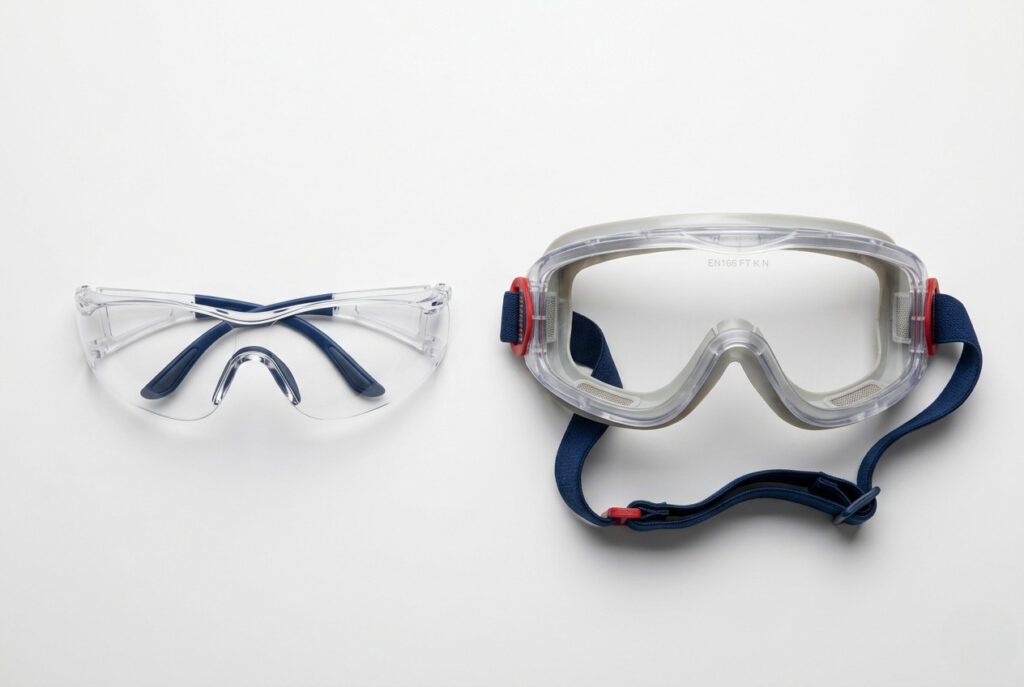
Choosing between glasses and goggles depends on exposure level and the environment. The table below highlights the key differences:
Safety Glasses
Safety Goggles
For about 95% of home sewing projects, safety glasses are the most practical option. Goggles are reserved for high-debris or industrial environments with higher exposure risk.
In sewing environments, eye protection should match the level of risk. Safety glasses are sufficient for everyday sewing, while goggles are necessary only in high-risk or industrial conditions involving heavy fabrics, debris, or increased machine stress.
Using appropriate eye protection supports a safer sewing experience without adding unnecessary discomfort or complexity.
Eye Hazards While Sewing
Understanding potential risks is important for maintaining sewing eye safety. Although sewing is generally safe, certain machine and material hazards can pose unexpected risks to the eyes. Recognizing these hazards helps sewists take preventive measures, including using safety glasses or protective eyewear when needed.
Below are the most common eye hazards while sewing and how they occur.
1. Broken Needles Flying at High Speed
One of the most common real risk of eye injury sewing-related eye hazards is a broken sewing machine needle. Needles may snap when they:
When a needle breaks, fragments can separate instantly and travel at high velocity. Because of the force generated by a sewing machine, these pieces may move unpredictably toward the face, creating a potential risk of eye injury.
This is one of the primary reasons sewing safety glasses are recommended during machine sewing, especially with heavy fabrics.
2. Pins Launching Through Fabric
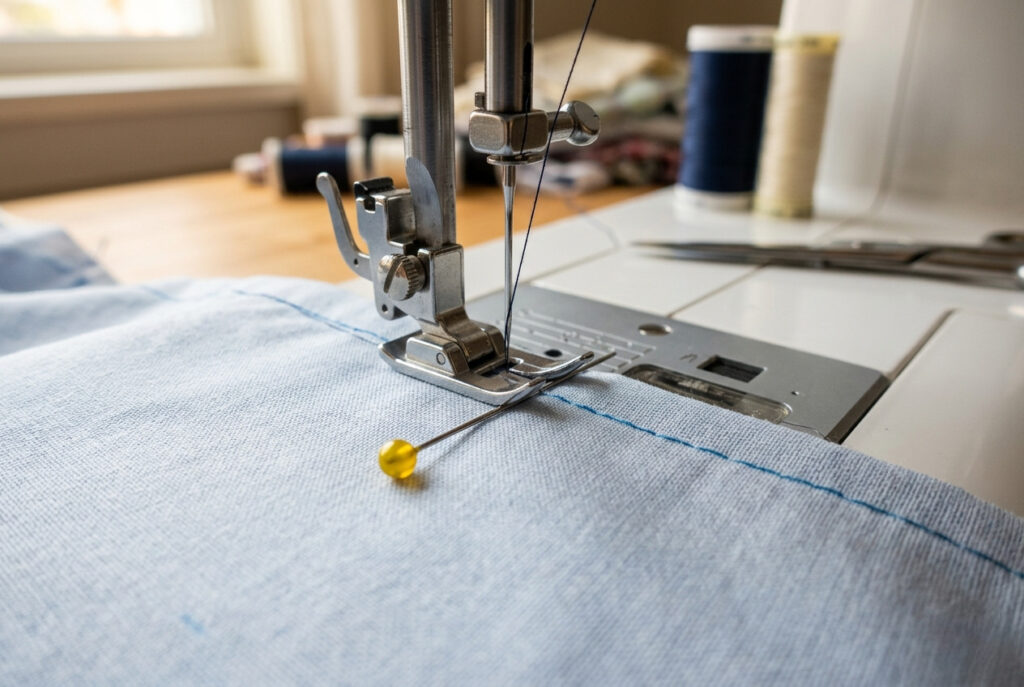
Sewing over pins is a common beginner mistake but can create safety risks. When a machine needle strikes a pin, several outcomes are possible:
In worst-case scenarios, small metal fragments can be projected outward. Because sewing is typically done at close range, the eyes are more exposed to injury.
Avoiding pin contact and using proper pin placement techniques significantly reduces this risk.
3. Thread Snapback and Tension Jams
While less severe than needle breakage, thread tension issues can still cause sudden movement. When the thread tangles in the bobbin case or upper tension system, it may snap under pressure and recoil.
This can cause:
Although rarely dangerous, this type of incident illustrates the importance of maintaining proper machine tension and clean threading paths.
4. Debris from Thick or Technical Fabrics
Working with materials such as leather, vinyl, canvas, or heavily layered textiles can produce fine debris and fabric particles during cutting and stitching.
These particles may:
Even if not sharp, continued exposure can cause discomfort and temporary vision irritation, especially in poorly ventilated workspaces.
Most sewing eye hazards are preventable with proper technique, regular needle replacement, and the use of protective eyewear when working with high-risk materials or machine conditions. While not every project requires goggles, awareness of these risks is essential for safer sewing practices.
Also Read: How to Fix a Knitting Hole: Easy 5 Techniques and Tips
Types of Eye Protection for Sewing
Choosing the right sewing eye protection depends on your workspace, materials, and machine type. Not all protective eyewear offers the same level of safety, so understanding the differences is essential to prevent eye injuries and improve overall sewing safety.
Below are the main types of eyewear used in sewing environments and when each one is appropriate.
1. Safety Glasses (Lightweight, Wraparound)
Safety glasses are the most common and practical form of eye protection for sewing. They are designed for everyday use and provide appropriate protection against unexpected needle breakage or flying debris.
Best for:
Key features:
When selecting safety glasses for sewing, look for ANSI Z87.1 certification to ensure the eyewear meets recognized impact-resistance standards.
2. Safety Goggles (Full Seal Protection)
Safety goggles provide additional protection compared to glasses because they create a sealed barrier around the eyes. This design helps block fine debris, dust, and high-impact fragments.
Best for:
Key features:
Goggles are highly protective but may feel heavier than glasses, making them less suitable for casual home sewing.
3. Prescription Safety Glasses
For sewists who require vision correction, regular prescription glasses are not a safe substitute. Prescription safety glasses combine corrective lenses with impact-resistant materials and protective side shielding.
Important considerations:
According to eye safety standards, standard prescription glasses do not provide sufficient protection against needle fragments or flying debris, making certified safety versions essential for safe sewing.
4. Needle Eye Guards for Sewing Machines
Some sewing machines or attachments include a needle eye guard, a small physical barrier designed to reduce direct exposure to the needle area. While this adds an additional safety feature, it is not a replacement for protective eyewear.
Best for:
Limitations:
The most effective sewing eye safety approach is layered protection. Safety glasses suffice for most home projects, while goggles and prescription safety eyewear are needed in higher-risk environments with heavy materials, industrial machines, or more debris.
Selecting the correct eyewear ensures not only compliance with safety standards but also greater comfort during sewing.
Also Read: How to Measure Circular Knitting Needles? Beginners Guide
Also Read: The Best Interchangeable Knitting Needles
Safety Standards to Look For in Sewing Eye Protection
When selecting protective eyewear for sewing, quality and certification should be considered alongside price. Not all safety glasses provide true impact protection, and uncertified eyewear can leave your eyes vulnerable to needle fragments, pins, or flying debris.
To ensure proper protection, always check for recognized safety certifications and industry standards.
1. ANSI Z87.1 Impact Resistance Standard
The primary certification for sewing eye protection is ANSI Z87.1, issued by the American National Standards Institute. This standard verifies that eyewear has been tested for resistance against both high-velocity and high-mass impact.
In practical terms, this means the glasses or goggles can withstand sudden force from objects such as:
When purchasing safety glasses for sewing, always check that Z87.1 is clearly marked on the frame or lens. This confirms the eyewear meets recognized industrial safety requirements and provides reliable impact protection.
2. OSHA Eye Protection Guidelines
The Occupational Safety and Health Administration (OSHA) establishes workplace safety regulations in the United States, including mandatory eye protection in environments where hazards are present.
In industrial sewing settings, OSHA guidelines typically require:
While OSHA regulations are not legally required for home sewing environments, they serve as a valuable benchmark for best safety practices. Following these standards helps ensure a consistent level of protection, especially when working with high-speed machines or heavy-duty materials.
For sewing applications, safety standards should never be overlooked. Choosing eyewear that meets ANSI Z87.1 certification and aligns with OSHA safety principles ensures reliable protection against common sewing eye hazards.
In short, certified eyewear is not just a recommendation; it is an important safety measure for anyone regularly using a sewing machine or working with potentially hazardous materials.
Other Essential Sewing Safety Rules
While sewing eye protection is an important part of safety, it is only one element of a complete sewing safety routine. To reduce the risk of injury and improve overall sewing performance, sewists should follow additional safety practices that address workspace conditions, machine handling, and personal habits.
Below are the most important sewing safety rules to follow consistently.
1. Keep Your Workspace Clean and Organized
A clutter-free sewing environment supports safer and more organized sewing. Accumulated lint, loose threads, and fabric scraps can create distractions and reduce your ability to focus on the needle area.
A clean workspace helps:
Maintaining an organized sewing area is a basic safety practice of safe sewing.
2. Maintain Full Focus While Sewing
One of the most common causes of sewing accidents is distraction. Operating a sewing machine requires continuous attention, especially when working at higher speeds or with dense materials.
For better safety:
Even a brief lapse in attention can result in stitching errors, needle breakage, or injury. Consistent focus is recommended for safe machine handling.
3. Manage Long Hair and Fingernails
Personal grooming plays an important role in sewing safety. Long hair and nails can interfere with fabric control and machine operation.
Recommended precautions include:
These simple adjustments reduce the risk of accidental contact with the needle or feed mechanism.
4. Follow Proper Needle Maintenance Practices
Regular needle maintenance helps reduce the risk of breakage and improves stitching quality. A damaged or dull needle is more likely to snap under pressure, increasing the risk of injury.
Best practices include:
Proper needle care is a key component of overall sewing machine safety.
Also Read: How to Cast on Knitting with Two Needles: A Complete Guide
5. Avoid Sewing Over Pins
Sewing over pins is a well-known safety hazard. When struck by a machine needle, pins can bend, break, or be ejected at high speed.
Safer alternatives include:
Avoiding direct contact between the needle and pins greatly reduces the risk of sudden breakage.
Also Read: Best Knitting Accessories: Top Picks 2026
6. Ensure Proper Lighting Conditions
Good lighting is essential for precise and safe sewing. Poor visibility increases the likelihood of mistakes, missed stitches, or accidental needle contact.
Effective lighting should:
A properly positioned task light can significantly improve both safety and sewing accuracy.
Safe sewing practice requires more than protective eyewear alone. A combination of clean workspace habits, focused attention, proper machine handling, and routine maintenance creates a safer and more efficient sewing environment.
These foundational rules collectively help to reduce risk and support consistent, high-quality sewing results.
Best Safety Glasses and Goggles for Sewing
Choosing the right safety glasses for sewing depends on the type of projects you work on, your comfort preferences, and the level of protection you need. Lightweight safety glasses are suitable for most home sewing tasks, while full-seal goggles provide additional protection when working with heavy materials or in high-debris environments.
Below are recommended options for different budgets and sewing needs.
Lightweight Budget-Friendly Options
These models provide impact-resistant protection without adding unnecessary weight, making them ideal for everyday sewing sessions.
US Army Tactical Safety Glasses
Best for: Home sewing and general craft projects
Key features:
These glasses offer good value for sewists who want dependable eye protection without a significant investment.
Kimberly-Clark Flexfit Safety Glasses
Best for: Extended sewing sessions
Key features:
The ergonomic design helps reduce pressure around the temples, making them a comfortable option for frequent machine sewing.
Mid-Range Choices
Mid-range safety eyewear combines enhanced durability with improved comfort and optical clarity.
Oakley SI Ballistic M-Frames
Best for: Frequent sewists and professionals
Key features:
These glasses provide a wider field of vision and long-lasting performance for sewists who spend many hours at the machine.
3M Virtua CCS Safety Glasses
Best for: Everyday machine sewing
Key features:
Their clear visibility and comfortable design make them a practical option for quilting, garment construction, and home décor projects.
Premium Protective Eyewear
For sewists seeking enhanced comfort and protection, premium eyewear offers advanced lens technology and superior durability.
Bollé Silence Safety Glasses
Best for: Long sewing sessions and precision work
Key features:
The lightweight design minimizes fatigue while maintaining dependable protection throughout extended projects.
Ray-Vtog Safety Goggles
Best for: Heavy-duty sewing and industrial-style applications
Key features:
These goggles are especially suitable when working with leather, canvas, upholstery fabrics, or other materials that create increased needle stress or airborne particles.
Buying Tips for Sewing Eye Protection
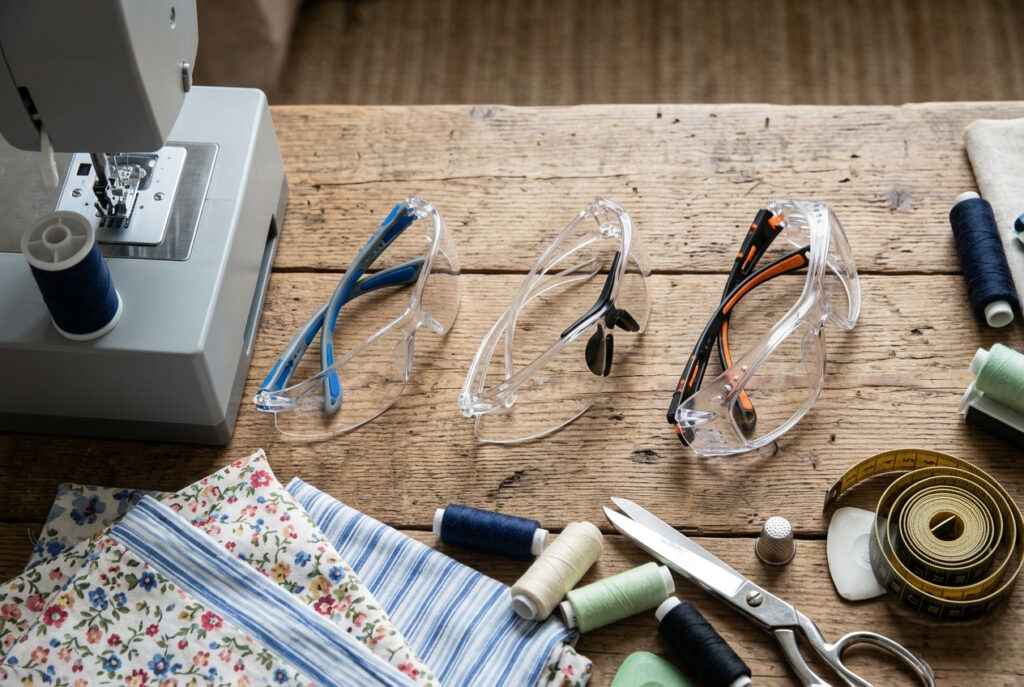
When comparing safety glasses or goggles, prioritize the following features:
Also Read: The Best Knitting Machines For Crafters
Also Read: Best Knitting Bags 2025: Ultimate Guide
Expert Tip
For most home sewing environments, clear-lens ANSI-certified safety glasses provide the good balance of protection, comfort, and visibility. Consider full-seal safety goggles for industrial settings or projects involving heavy fabrics, excessive dust, or increased risk of flying debris.
FAQs About Needing Safety Goggles When Sewing?
Conclusion: Do You Need Safety Goggles When Sewing?
So, do you need safety goggles when sewing? For most home sewing projects, the answer is no, but wearing ANSI-certified safety glasses is a practical precaution that protects against unexpected needle breakage, flying pins, and fabric debris.
If you’re hand sewing or working with lightweight fabrics, regular prescription glasses may offer basic coverage. However, when using a sewing machine, handling thick materials like denim or leather, or sewing at high speeds, impact-resistant safety glasses or safety goggles become a useful addition to a safe workspace.
Choosing the right eye protection, maintaining your sewing machine, replacing worn needles, organizing your workspace, and avoiding sewing over pins help reduce the risk of accidents.
Your sewing tools are replaceable, but protecting your eyesight is worthwhile. Investing in quality protective eyewear is a simple step that helps you sew with greater confidence, comfort, and long-term safety.
Do you wear safety glasses while sewing, or plan to start? Share your experience in the comments, save this guide for future projects, or pass it to a fellow sewist who values creativity and safety.
Also Read: How to Sew a Pillow: Easy Guide for Beginners
Also Read: Continental vs. English Knitting: Easy Guide