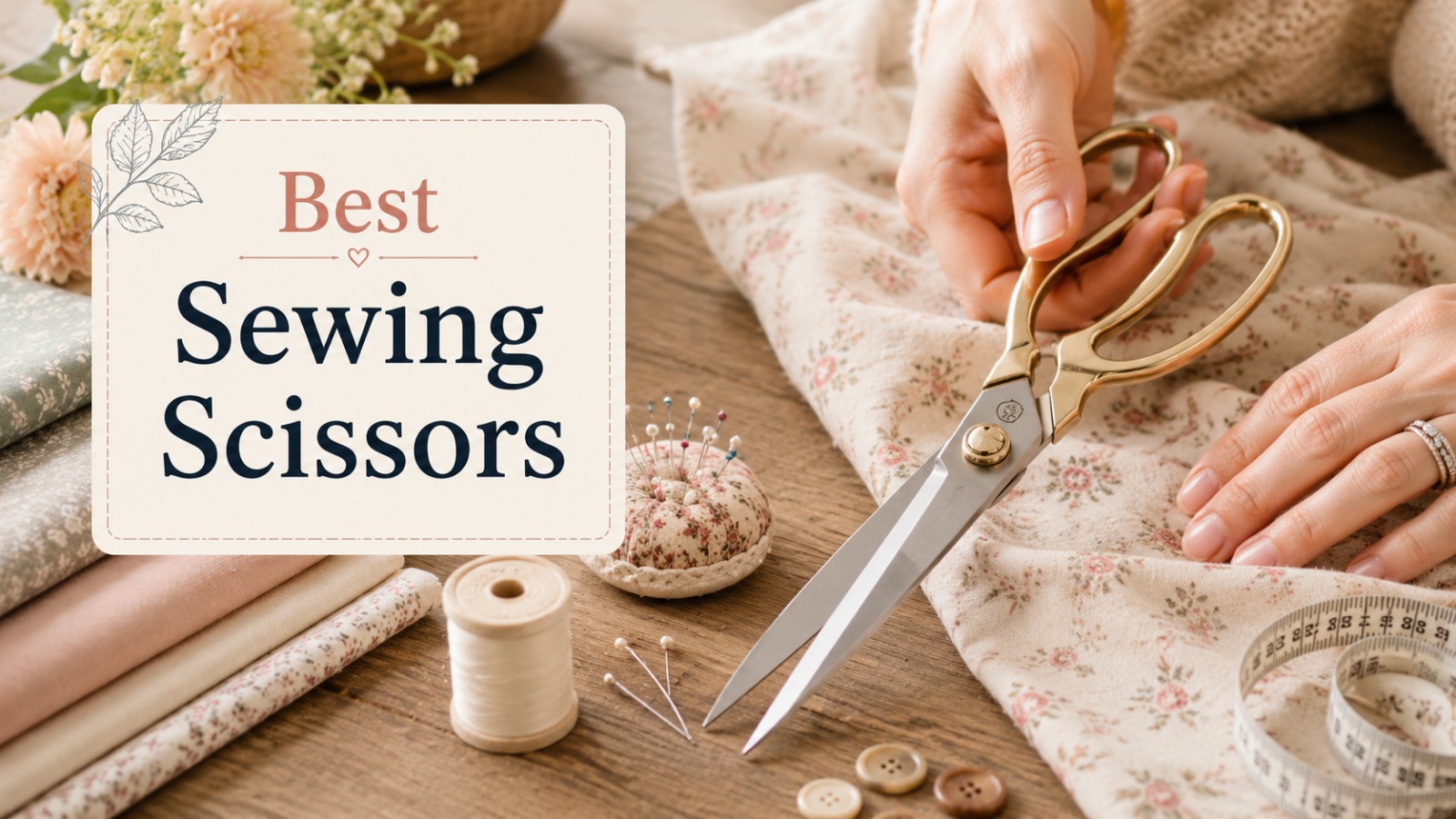
Best Sewing Scissors: Top Picks 2026
A reliable pair of sewing scissors can noticeably improve the quality of your work. Whether cutting lightweight cotton, thick denim, quilting layers, or trimming embroidery threads, the right tool creates cleaner edges and more accurate cuts.
After years of sewing garments, home décor projects, and knitting finishing, I’ve found fabric cutting is the foundation of successful sewing. Poor-quality scissors cause uneven edges, hand fatigue, and inconsistent results.
In this Best Sewing Scissors review, I’ll compare popular options across categories. The goal is to help you choose a cutting tool that fits your sewing style, fabric preferences, and budget.
Scissors vs. Shears: What’s the Difference?
Many people use the terms scissors and shears interchangeably, but they are designed for different cutting tasks.
| Scissors | Shears | |
|---|---|---|
| Blade Length | Usually up to 6 inches | Typically 7 inches or longer |
| Blade Design | Symmetrical blades | Longer knife-edge blades |
| Handle Design | Similar-sized finger holes | Offset handles with a larger finger opening |
| Best For | Thread trimming, embroidery, detailed work | Cutting fabric pieces and multiple layers |
| Control | Precision cutting | Long, smooth fabric cuts |
Scissors are commonly used for detail work such as trimming threads, embroidery, and small fabric cuts. Sewing shears are designed for larger tasks and provide better control when working with garment pieces, quilting fabrics, or multiple layers.
For most sewing projects, using both tools offers the greatest flexibility. Scissors handle precision tasks. Shears provide cleaner and more efficient fabric cutting.
Also Read: What Is a Basting Stitch in Sewing? Easy Guide
How We Evaluated These Sewing Scissors
I tested each pair using a range of common sewing tasks and fabric types. The assessment focused on cutting performance, comfort, durability, and ease of maintenance.
The testing process included:
These evaluations reflect tasks sewists commonly encounter, from garment construction and quilting to embroidery and fabric preparation.
Also Read: Do You Need Safety Goggles When Sewing?
Best Sewing Scissors
The right sewing scissors improve cutting accuracy, reduce hand fatigue, and make fabric preparation more efficient. Different sewing projects require different cutting tools, from full-size fabric shears for garment construction to precision scissors for embroidery and trimming. Blade quality, handle comfort, durability, and cutting performance all play important roles in choosing a pair.
For this review, I examined ten popular sewing scissors and shears used by sewists, quilters, and dressmakers. I evaluated each for cutting performance, comfort, build quality, and value to help you choose a tool that suits your projects and budget.
1. iBayam 3-Pack 8-Inch Heavy Duty Scissors Review

The iBayam 3-Pack 8-Inch Heavy Duty Scissors is one of the best sewing scissors for beginners and everyday users seeking an affordable, multi-purpose option. It has a strong reputation for reliability and value. This set includes three versatile scissors suitable for cotton fabric, quilting materials, paper patterns, and household tasks.
The stainless steel blades provide clean cuts on lightweight fabrics, paper, and craft materials. The comfort-grip handles offer better control during extended use. Though not professional fabric shears, they perform well for basic sewing, crafting, and household tasks.
Overall, a practical, budget-conscious choice for casual sewing and general-purpose cutting.
Pros
Cons
2. JISTL Green Pinking Shears Review

The JISTL Green Pinking Shears is one of the best sewing scissors for sewists needing a dedicated tool to finish fabric edges and reduce fraying. It is popular for dressmaking, quilting, and craft projects.
The stainless steel zigzag blades create consistent pinked edges on most woven fabrics. The comfort-grip handles provide good control during extended use. The shears perform well for seam finishing and decorative edge work, but are not intended to replace standard fabric scissors.
Overall, a practical choice for reducing fabric fraying and adding decorative finishes to sewing projects.
Pros
Cons
3. Fiskars RazorEdge Fabric Scissors Review

The Fiskars RazorEdge Fabric Scissors is one of the Best Sewing Scissors for sewists seeking dedicated fabric shears with reliable cutting performance. It is designed to cut fabric accurately across a wide range of sewing and quilting projects.
The ultra-sharp stainless steel blades glide through cotton, fleece, denim, and multiple layers of fabric with minimal effort. Its SoftGrip ergonomic handle improves comfort and control during longer cutting sessions. While primarily intended for fabric, the shears deliver consistent results for pattern cutting and garment construction.
Overall, a dependable fabric shear that combines precision, comfort, and durability for regular sewing projects.
Pros
Cons
4. Mr. Pen Premium Tailor Scissors Review

The Mr. Pen Premium Tailor Scissors is one of the best sewing scissors for budget-conscious sewists seeking dedicated fabric shears. It is a popular choice for sewing, tailoring, and craft projects.
Featuring heavy-duty carbon steel blades, these 8-inch scissors provide clean cuts on cotton, linen, felt, and other common fabrics. The balanced design offers good control for pattern cutting and general sewing tasks.
The sharp blades handle multiple fabric layers with ease. Although not premium professional shears, they deliver dependable performance for everyday use.
Overall, a practical fabric scissors balancing cutting performance, durability, and value for home sewing projects.
Pros
Cons
5. SINGER ProSeries Sewing Scissors Bundle Review

The SINGER ProSeries Sewing Scissors Bundle is one of the best sets for sewists who need multiple cutting tools for different tasks. It combines 8.5-inch fabric shears, 4.5-inch embroidery scissors, and 5-inch thread snips in one package.
The heavy-duty fabric scissors handle common sewing fabrics efficiently. The embroidery scissors and thread snips provide precision for detailed work and finishing tasks. Comfort-grip handles improve control and reduce hand fatigue during extended use. This combination makes the set suitable for sewing, quilting, alterations, and embroidery projects.
Overall: A versatile sewing bundle that covers most everyday cutting needs with practical functionality and convenience.
Pros
Cons
Also Read: How to Do a Whip Stitch? Quick Guide
Also Read: How to Do Mattress Stitch? Easy 7-Step Guide
6. Snavida 9-Inch Fabric Scissors Review

The Snavida 9-Inch Fabric Scissors is one of the best sewing scissors for sewists who regularly cut large fabric pieces and multiple layers. It is a well-regarded option for sewing, tailoring, and dressmaking.
The 9-inch titanium-coated blades provide long cutting strokes that create smooth, consistent cuts across fabric. The heavy-duty construction handles cotton, canvas, upholstery fabric, and similar materials.
The ergonomic design offers good control during extended cutting sessions. Its larger size is especially useful for pattern cutting and garment construction.
Overall, a dependable fabric shear designed for larger sewing projects and consistent fabric-cutting performance.
Pros
Cons
7. Fiskars Micro-Tip Spring Assisted Scissors Review

The Fiskars Micro-Tip Spring Assisted Scissors is one of the best sewing scissors for precision work, embroidery, appliqué, and detailed fabric trimming. It is designed for tasks requiring accuracy rather than large fabric cuts.
The stainless steel micro-tip blades provide excellent visibility and control when trimming threads, clipping seams, or working in tight spaces. Its spring-assisted design automatically reopens the blades after each cut, reducing hand strain during repetitive sewing and crafting. The comfort handle supports extended use.
Overall, a specialized precision tool that performs well for detailed sewing, embroidery, and finishing work.
Pros
Cons
Also Read: How to Use Stitch Markers for Knitting: Easy Guide
Also Read: How to Do a Long Tail Cast On Knitting? Easy Guide
8. Gingher 8-Inch Dressmaker’s Fabric Scissors Review

The Gingher 8-Inch Dressmaker’s Fabric Scissors is one of the best sewing scissors for sewists who prioritize precision, durability, and consistent cutting. These shears have a long-standing reputation among dressmakers, quilters, and tailoring enthusiasts.
The knife-edge stainless steel blades deliver clean, accurate cuts on fabrics from lightweight cotton to heavier materials. Its balanced construction provides excellent control during pattern cutting and garment construction. The included protective sheath guards the blades when not in use.
Overall, a well-crafted dressmaker’s shear that offers dependable precision and durability for regular sewing and tailoring projects.
Pros
Cons
Also Read; How to Sew a Seam by Hand? Easy 5-Step Guide
9. Karen Kay Buckley Perfect Scissors Review

The Karen Kay Buckley Perfect Scissors is one of the best sewing scissors for appliqué, quilting, patchwork, and detailed fabric trimming. It is a respected tool among quilters and precision sewists.
The 6-inch scissors have micro-serrated, non-slip blades that grip fabric while cutting, reducing material shifting during intricate work.
This design is useful for curved cuts, layered fabrics, and detailed quilting tasks. The lightweight construction and comfortable handles support control and accuracy during extended use.
Overall: A precision-focused sewing tool that delivers reliable control and accuracy for quilting, appliqué, and detailed fabric work.
Pros
Cons
Also Read: How to Knit a Gauge Swatch: Quick Guide
Also Read: Best Yarn for Blanket Knitting| Expert Guide 2025
10. Kai 7230 Professional Shears Review

The Kai 7230 Professional Shears is one of the best sewing scissors for experienced sewists, quilters, and dressmakers who need precision and consistent cutting performance. These 9-inch shears are widely recognized for their craftsmanship and cutting efficiency.
The high-carbon stainless steel blades deliver smooth, accurate cuts through various fabrics, including cotton, denim, wool, and multiple layers.
Despite their size, the shears remain lightweight, improving control and reducing fatigue during long cutting sessions. The balanced design suits garment construction, quilting, and pattern cutting.
Overall: A professional-grade fabric shear that combines precision, durability, and comfort for serious sewing projects.
Pros
Cons
Also Read: How to Sew a Knitted Sweater Together? Easy Guide
Also Read: How Do You Weave in Ends in Knitting? Step-by-Step
How to Choose Sewing Scissors: Complete Buying Guide
Blade Material
Stainless steel offers balanced durability and low maintenance, suitable for general sewing tasks. High-carbon steel provides superior sharpness and cutting strength, but needs more care to prevent rust. High-carbon stainless steel combines sharpness with corrosion resistance, making it the most reliable all-purpose option.
Handle Comfort
Ergonomic handles reduce strain during long sewing sessions and suit users with joint discomfort. Soft-grip materials and properly spaced finger holes improve control and reduce fatigue.
Weight
Lightweight scissors (5–7 oz) are best for detailed work and extended use. Medium-weight options (8–10 oz) suit most sewing projects. Heavier scissors (10+ oz) perform better on dense fabrics like denim and upholstery.
Adjustable Pivot Screw
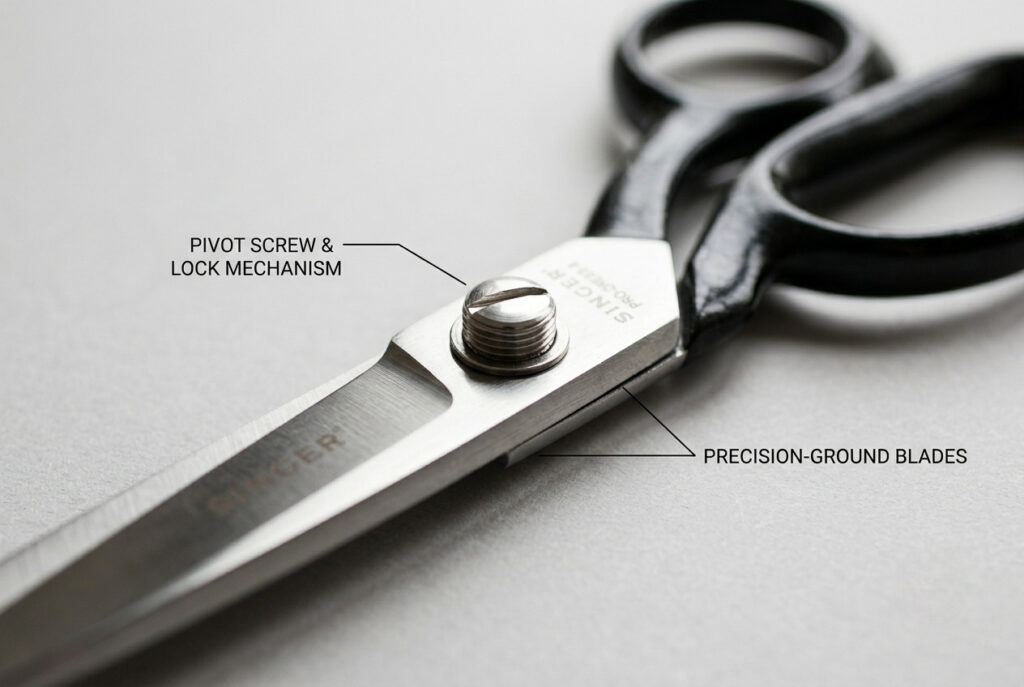
An adjustable screw allows tension control over time, improving blade alignment and extending tool lifespan. This feature is valuable for frequent sewing use.
Also Read: Best Knitting Accessories: Top Picks 2026
Also Read: The Best Interchangeable Knitting Needles
Sewing Scissor Maintenance Tips
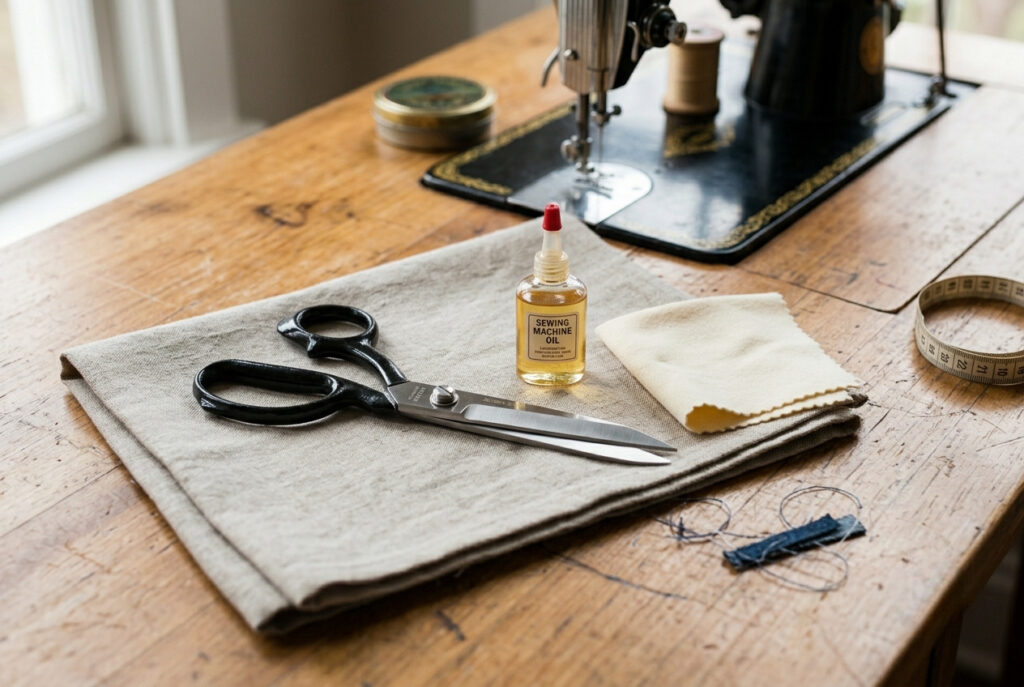
Proper maintenance extends the lifespan and cutting performance of fabric scissors.
Avoid Cutting Paper
Keep Blades Clean
Store Properly
Protect Against Moisture
Lubricate Occasionally
Avoid Dropping Them
Also Read: How to Finish a Knitting Project: A Complete Guide
Also Read: How to Add New Yarn to Knitting? Step-by-Step
Frequently Asked Questions
Best Sewing Scissors Comparison Table
| Product | Category | Blade Length | Best For | Key Strength |
|---|---|---|---|---|
| Kai 7230 Professional Shears | Professional Fabric Shears | 9 Inches | Dressmaking, quilting, and multiple fabric layers | Precision cutting and lightweight design |
| Gingher 8-Inch Dressmaker’s Shears | Premium Dressmaking Shears | 8 Inches | Garment construction and tailoring | Durable knife-edge blades |
| Fiskars RazorEdge Fabric Scissors | Fabric Shears | 8 Inches | General sewing and quilting | Smooth cutting through multiple layers |
| Snavida 9-Inch Fabric Scissors | Heavy-Duty Fabric Shears | 9 Inches | Large fabric pieces and tailoring | Long blades for efficient cutting |
| SINGER ProSeries Bundle | Multi-Tool Sewing Set | Multiple Sizes | Sewing, embroidery, and alterations | Includes multiple specialized cutting tools |
| Karen Kay Buckley Perfect Scissors | Precision Scissors | 6 Inches | Appliqué, quilting, and detailed trimming | Micro-serrated blades for improved control |
| Fiskars Micro-Tip Spring Assisted Scissors | Embroidery Scissors | 5 Inches | Thread trimming and precision work | Fine-tip blades with spring-assisted action |
| Mr. Pen Premium Tailor Scissors | Budget Fabric Scissors | 8 Inches | Everyday sewing and craft projects | Good balance of performance and value |
| JISTL Green Pinking Shears | Pinking Shears | 9 Inches | Finishing fabric edges and reducing fraying | Consistent zigzag cutting pattern |
| iBayam 3-Pack Heavy Duty Scissors | Multipurpose Scissors | 8 Inches | Light sewing, crafts, and household tasks | Versatile three-scissor set |
Quick Recommendations
| Sewing Need | Recommended Product |
|---|---|
| Best Overall | Kai 7230 Professional Shears |
| Best for Beginners | SINGER ProSeries Bundle |
| Best Budget Option | Mr. Pen Premium Tailor Scissors |
| Best for Quilting | Karen Kay Buckley Perfect Scissors |
| Best for Dressmaking | Gingher 8-Inch Dressmaker’s Shears |
| Best for Embroidery | Fiskars Micro-Tip Spring Assisted Scissors |
| Best for Heavy Fabrics | Snavida 9-Inch Fabric Scissors |
| Best Pinking Shears | JISTL Green Pinking Shears |
Final Thoughts
Choosing the best sewing scissors depends on the projects, fabrics, and how often you cut. A quality pair improves accuracy, reduces hand fatigue, and creates cleaner, more professional results.
For sewists wanting a professional-grade tool that performs well across many fabrics, the Kai 7230 Professional Shears stand out for sharpness, comfort, and precision. Those seeking a reliable dressmaking shear may prefer the Gingher 8-Inch Dressmaker’s Shears. Beginners and occasional sewists find excellent value in options like the SINGER ProSeries Bundle or Mr. Pen Premium Tailor Scissors.
No single pair is perfect for every task. Many experienced sewists keep a combination of fabric shears, embroidery scissors, and specialty tools such as pinking shears to handle different cutting needs efficiently.
Whichever pair you choose, proper maintenance is as important as the purchase. Cleaning blades, storing scissors correctly, and using them only for fabric will preserve their cutting performance for years.
Investing in the right sewing scissors is a small decision that can make a noticeable difference in every project, from simple alterations to detailed garment construction and quilting. A dependable cutting tool improves accuracy and makes sewing more enjoyable and efficient.
Also Read: How to Sew a Rip? Easy 6- Step Guide
Also Read: How to Sew a Pillow: Easy Guide for Beginners
Also Read: Best Knitting Bags 2025: Ultimate Guide