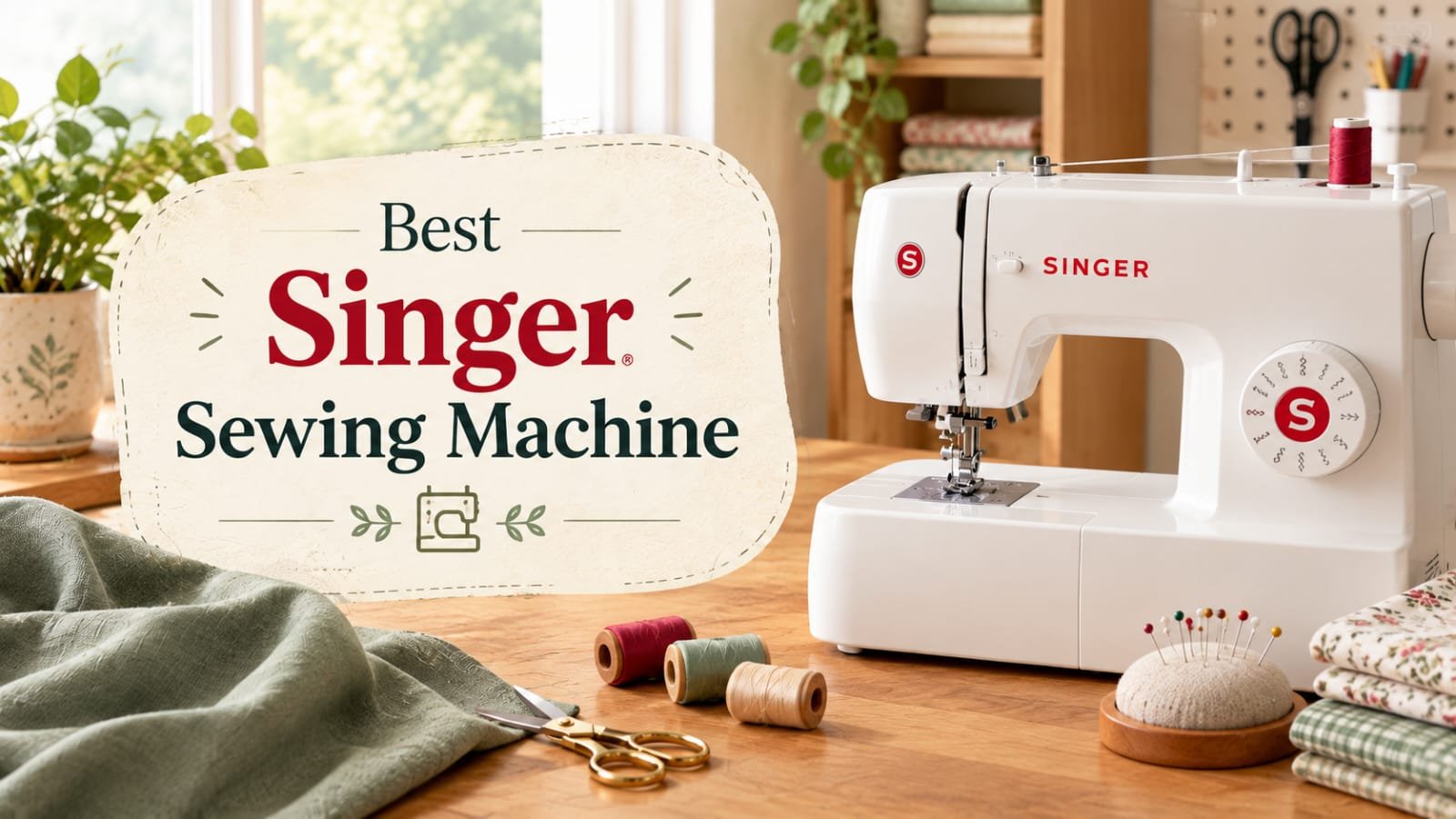
Best Singer Sewing Machine: Top 10 Picks 2026
Choosing the Best Singer Sewing Machine isn’t simply about finding the model with the most stitches. The right machine should match the fabrics you sew, your experience level, available workspace, and the projects you enjoy.
A beginner may prefer simple controls and easy threading. A quilter may need more workspace, needle control, and useful presser feet. If you regularly sew denim or canvas, a sturdy frame and strong motor matter more than decorative stitches.
We compared these 10 Singer models by looking at stitch choices, fabric handling, useful accessories, sewing speed, machine design, and overall value and also checked manufacturer specifications when available to provide a practical, balanced comparison.
How to Choose the Best Singer Sewing Machines
We focused on features that affect actual sewing rather than treating stitch count as the main measure of quality.
The comparison includes machine type, stitch variety, sewing speed, fabric handling, buttonhole design, threading features, workspace, included presser feet, and the types of projects each machine suits.
This is a specification-based product review, not a claim of hands-on testing of every model. The comparison is based on manufacturer information and product details supplied for this article.
Also Read: Best Mechanical Sewing Machine: Our Top Pick 2026
Top 10 Best Singer Sewing Machines in 2026
Singer offers sewing machines for various skill levels, fabrics, and project types. We compared these 10 models based on stitch options, fabric handling, design, ease of use, features, and overall value. The reviews highlight each model’s strengths and weaknesses.
1. SINGER 4423 Review

The SINGER 4423 is a practical heavy-duty machine for everyday sewing, repairs, garments, and thicker fabrics. It features 23 built-in stitches with 97 applications, a metal frame, a one-step buttonhole, and sewing speeds up to 1,100 stitches per minute. Singer states it provides 50% more power for materials like denim and canvas.
For beginners, the mechanical controls are straightforward, and the built-in needle threader adds convenience. The main limitation is the lack of advanced stitch selection and automated controls found on computerized models. Its heavy-duty design may be excessive for occasional lightweight sewing.
It offers a solid balance of capability and simplicity. Overall, it is a strong choice for sewists seeking the Best Singer Sewing Machine for reliable everyday use.
Also Read: Best Sewing Machine for Apparel: Top 10 Picks
Pros
Cons
2. SINGER 4452 Review

The SINGER 4452 is a versatile heavy-duty machine for everyday sewing, garments, repairs, and thick fabrics. It offers 32 built-in stitches with 110 applications, a needle threader, one-step buttonhole, and sewing speeds up to 1,100 stitches per minute. Singer states it provides 50% more power for thick fabrics.
For beginners, the mechanical controls are straightforward, while the broader stitch selection gives experienced sewists more flexibility. The main limitation is the lack of computerized controls and advanced stitch-management features found on higher-end models.
It offers useful capability without increasing the price. Overall, it is a practical contender for the Best Singer Sewing Machine when you want strength, simplicity, and useful stitch variety.
Pros
Cons
3. SINGER 4411 Review

The SINGER 4411 is a straightforward heavy-duty machine for beginners, alterations, repairs, and everyday sewing. It offers 11 built-in stitches with 69 applications, a metal frame, and speeds up to 1,100 stitches per minute. Singer states it provides 50% more power for materials like denim and canvas.
Its simpler stitch selection makes learning easier with fewer controls to navigate. However, the four-step buttonhole requires more manual handling than the one-step systems on other models. It also lacks the broader stitch variety and computerized features of more advanced Singer machines.
It remains a practical choice for basic sewing needs. Overall, it is a sensible option when simplicity matters more than extensive features. It may suit those seeking the Best Singer Sewing Machine for basic sewing.
Also Read: 10 Best Sewing Books for Beginners: Top Picks 2026
Pros
Cons
4. SINGER Quantum Stylist 9960 Review

The SINGER Quantum Stylist 9960 is a computerized sewing and quilting machine designed for sewists who want extensive stitch variety and greater control. It offers 600 stitches, five fonts, 13 one-step buttonhole styles, an extension table, LED lighting, and a metal frame.
The large stitch selection is useful for garments, quilting, decorative work, and lettering projects. Its computerized controls make selecting stitches and adjusting settings easier than on mechanical models.
The main drawback is its higher price and features, which may be unnecessary for beginners who sew mainly basic projects. It suits frequent or advanced sewing better. Overall, it is a strong choice for quilting and advanced sewing and stands out among the Best Singer Sewing Machine options.
Also Read: Best Sewing and Quilting Machine: Top 10 Picks 2026
Also Read: How to Sew Binding on a Quilt? Step-by-Step Guide
Pros
Cons
5. SINGER 4432 Sterling Review

The SINGER 4432 Sterling is a practical mechanical machine for everyday sewing, garments, repairs, and thicker fabrics. It offers 32 built-in stitches with 110 applications, 50% more power for thick fabrics, a one-step buttonhole, and sewing speeds up to 1,100 stitches per minute.
Its straightforward controls make it easier to manage than computerized models. The broader stitch selection offers more flexibility than simpler Heavy Duty machines.
The main limitation is the lack of computerized stitch selection or advanced controls. Consider the higher price compared to the included accessories and finish. Overall, the 4432 Sterling offers a balanced mix of strength, stitch variety, and simple operation.
Pros
Cons
6. SINGER Heavy Duty 4552 Review

The SINGER Heavy Duty 4552 is a solid mechanical machine for everyday sewing, garments, repairs, and heavier fabrics. It offers 32 built-in stitches with 110 applications, a metal frame, one-step buttonhole, and a new DC motor for more power, speed, and smoother sewing.
The wider stitch selection gives you more flexibility than simpler Heavy Duty models, while the straightforward controls keep operation simple. Bonus presser feet add value for different sewing tasks.
However, it lacks the computerized controls and advanced stitch management found on models like the Quantum Stylist 9960. It suits sewists who want a sturdier machine with useful extras. Overall, the 4552 is a capable choice when power, durability, and practical versatility matter.
Pros
Cons
7. SINGER MX60 Review

The SINGER MX60 is a lightweight, portable machine suited to basic sewing, crafts, mending, and small household projects. It offers 6 built-in stitches with 57 applications, an LED light, foot pedal, and a four-step buttonhole. Its simple controls make it approachable for beginners who do not need extensive stitch options.
Its compact design is a clear advantage when storage space or portability matters. However, the MX60 is less suitable for frequent sewing of thick fabrics than the Heavy Duty models in this comparison.
The four-step buttonhole requires more manual handling than one-step systems. It is an affordable option for basic sewing. Overall, it is a practical choice for beginners and casual sewists who value simplicity and portability.
Pros
Cons
8. SINGER Heavy Duty 4523 Review

The SINGER Heavy Duty 4523 is a practical mechanical machine for everyday sewing, garments, alterations, and thicker fabrics. It offers 23 built-in stitches with 97 applications, a metal frame, a one-step buttonhole, and a new DC motor for more power, speed, and smoother sewing.
Its controls are simple, making it easier to manage than a computerized model. The stitch selection provides enough variety for many common sewing projects without adding complexity. However, it has fewer stitch options than the 4552 and lacks computerized features.
The price is also higher than some similar Heavy Duty models. Overall, the 4523 is a sensible choice for sewists who want dependable Heavy Duty construction with straightforward operation.
Pros
Cons
9. SINGER 6700C Heavy Duty Computerized Review

The SINGER 6700C is a computerized Heavy Duty machine designed for sewists who want more stitch variety and control. It offers 411 stitch applications, lettering, touch-button stitch selection, an LCD screen, LED lighting, and a one-step buttonhole.
Compared with mechanical Heavy Duty models, its computerized controls make stitch selection and adjustments more convenient. The large selection is useful for garments, decorative sewing, quilting, and personalized projects.
However, its broader feature set may take beginners longer to learn, and it costs more than basic Singer machines. It suits sewists who will regularly use its added features. Overall, the 6700C is a strong option when computerized control and extensive stitch variety are priorities.
Also Read: Best Sewing and Embroidery Machine Review 2026
Also Read: Can You Embroider With a Sewing Machine? Easy Guide
Pros
Cons
10. SINGER 4452 Holiday Bundle Review

The SINGER 4452 Holiday Bundle combines a sturdy, heavy-duty machine with useful accessories for everyday sewing, garments, repairs, and thicker fabrics. It offers 32 built-in stitches with 110 applications. Singer states it provides 50% more power for thick fabrics. The extension table provides extra workspace for larger projects.
The broad stitch selection offers good flexibility, and the included presser feet add practical value. However, this is still a mechanical machine, so it lacks the computerized controls and advanced stitch management found on models such as the 6700C or Quantum Stylist 9960.
The bundle costs more than some comparable Heavy Duty models. Overall, the 4452 Holiday Bundle is a practical option for sewists who value workspace, durability, and useful accessories.
Pros
Cons
Best Singer Sewing Machines Comparison
| Model | Machine Type | Stitches / Applications | Buttonhole | Best For | Main Advantage |
|---|---|---|---|---|---|
| SINGER 4423 | Mechanical Heavy Duty | 23 / 97 | 1-step | Everyday sewing & thicker fabrics | Strong balance of simplicity and fabric handling |
| SINGER 4452 | Mechanical Heavy Duty | 32 / 110 | 1-step | Beginners and versatile sewing | More stitch options with heavy-duty construction |
| SINGER 4411 | Mechanical Heavy Duty | 11 / 69 | 4-step | Beginners and basic sewing | Simple controls and lower price |
| Quantum Stylist 9960 | Computerized | 600 / 1,172 | 13 one-step styles | Quilting and advanced sewing | Extensive stitch selection and control |
| SINGER 4432 Sterling | Mechanical Heavy Duty | 32 / 110 | 1-step | Everyday and thicker fabrics | Useful stitch variety with simple operation |
| Heavy Duty 4552 | Mechanical Heavy Duty | 32 / 110 | 1-step | Frequent sewing and heavier materials | DC motor and bonus presser feet |
| SINGER MX60 | Mechanical | 6 / 57 | 4-step | Beginners, crafts, and mending | Lightweight and portable design |
| Heavy Duty 4523 | Mechanical Heavy Duty | 23 / 97 | 1-step | Everyday sewing | DC motor with straightforward controls |
| SINGER 6700C | Computerized Heavy Duty | 411 applications | 1-step | Advanced sewing and lettering | Computerized controls with extensive stitch options |
| SINGER 4452 Holiday Bundle | Mechanical Heavy Duty | 32 / 110 | 1-step | Larger projects and home sewing | Extension table and additional accessories |
Which Singer Sewing Machine Is Right for You?
Singer Sewing Machine Buying Guide
Choosing the best Singer sewing machine depends on your projects, fabrics, experience level, and budget. The right machine should offer the features you will use without paying for unnecessary functions.
Mechanical vs. Computerized
Mechanical machines use physical dials and controls to select stitches and adjust settings. Models like the SINGER 4411, 4423, 4432, and 4452 are straightforward choices for everyday sewing, repairs, garments, and heavy fabrics.
Computerized machines offer digital controls, broader stitch selections, and extra functions. The Quantum Stylist 9960 and SINGER 6700C suit sewists who want decorative stitches, lettering, quilting features, and more control over stitch settings.
Neither type is automatically better. Choose based on how much control and convenience you want from your machine.
Stitch Options
Stitch count is useful but should not be the only factor. Most beginners can complete common sewing projects with a small selection of utility, stretch, and decorative stitches.
For basic sewing, machines like the MX60 and 4411 offer enough options for hems, repairs, garments, and household projects. Models with 32 or more stitches offer greater flexibility, while computerized machines such as the 9960 and 6700C have broader selections.
Consider the stitches you will actually use rather than choosing a machine based only on the highest number.
Motor Power and Fabric Handling
If you regularly sew denim, canvas, multiple layers, or heavy household fabrics, fabric handling becomes more important.
Singer Heavy Duty models have features designed for heavier sewing. Several models in this comparison are rated by Singer as providing 50% more power for thick fabrics.
However, a heavy-duty machine does not eliminate the need for the correct needle, thread, stitch settings, and presser foot. Your fabric and project determine the appropriate settings.
Presser Feet and Accessories
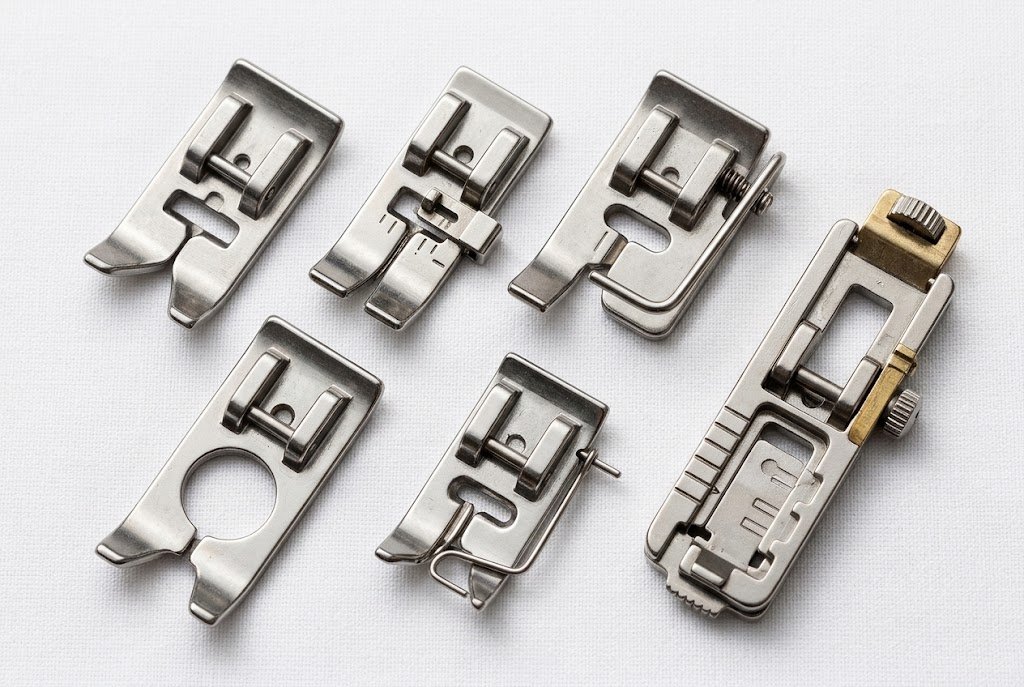
The included presser feet affect how useful a machine is for different projects. Depending on the model, you may find feet for buttonholes, zippers, quilting, walking or even-feed work, and other sewing techniques.
Do not judge a machine only by the number of accessories in the box. Check whether the included feet match the projects you plan to make.
Also Read: 10 Best Thread for Sewing: Ultimate Guide 2026
Also Read: Best Sewing Scissors: Top Picks 2026
Portability and Workspace
Machine size and weight matter if you sew in a small room, store your machine between projects, or bring it to classes.
The SINGER MX60 is the best option here when portability is a priority. Heavy-duty and computerized models generally make more sense when the machine stays in one sewing area.
For quilting and larger projects, sewing space can be more important than portability. An extension table provides extra support for large fabric pieces.
Budget Sewing Machine Options
Your budget should reflect the type of sewing you expect to do.
Prices can change, so compare the current prices with the features you are most likely to use.
Are Singer Heavy Duty Machines Worth It?
Singer Heavy Duty machines are worth considering if your projects regularly involve denim, canvas, multiple layers, or heavier household fabrics.
Their metal-frame construction and higher-power design can make them a better fit for this type of sewing than lightweight machines. Models like the 4423 and 4452 also provide a useful range of stitches without moving to computerized controls.
The newer 4552 and 4523 add a DC motor design, making them worth considering if you want a newer Heavy Duty model.
If you mainly sew lightweight cotton, make simple alterations, or do occasional repairs, a Heavy Duty machine may offer more capacity than you need.
Also Read: How to Sew a Tear in Jeans: Easy Repair Guide
Best Singer for Quilting
The Quantum Stylist 9960 is the strongest quilting choice among these 10 machines. It combines an extension table, speed control, needle-position control, quilting-related presser feet, and a very broad stitch selection.
The SINGER 6700C is another strong option if you want computerized controls, decorative stitches, and lettering alongside general sewing.
For basic quilting, you do not need hundreds of stitches. A reliable straight stitch, suitable quilting accessories, enough workspace, and good fabric control are more important.
Also Read: How to Sew on Quilt Labels? Easy Guide
Best Singer Sewing Machine for Beginners
The SINGER 4423 is a strong start for beginners who want a machine that handles everyday sewing and thicker fabrics. Its mechanical controls are straightforward, while the built-in needle threader and one-step buttonhole add convenience.
The 4411 is better suited to beginners who prefer a simpler machine and mainly plan to sew basic projects, repairs, hems, and alterations.
If portability and a lower price matter more than heavy-fabric capability, the MX60 is another option to consider.
A beginner does not need hundreds of stitches to learn effectively. Understanding fabric control, seam allowances, needle selection, thread choice, and basic machine settings has a greater effect on sewing results.
How to Maintain a Singer Sewing Machine
Regular maintenance keeps a sewing machine working properly and prevents many common sewing problems.
Common Sewing Problems and Simple Fixes
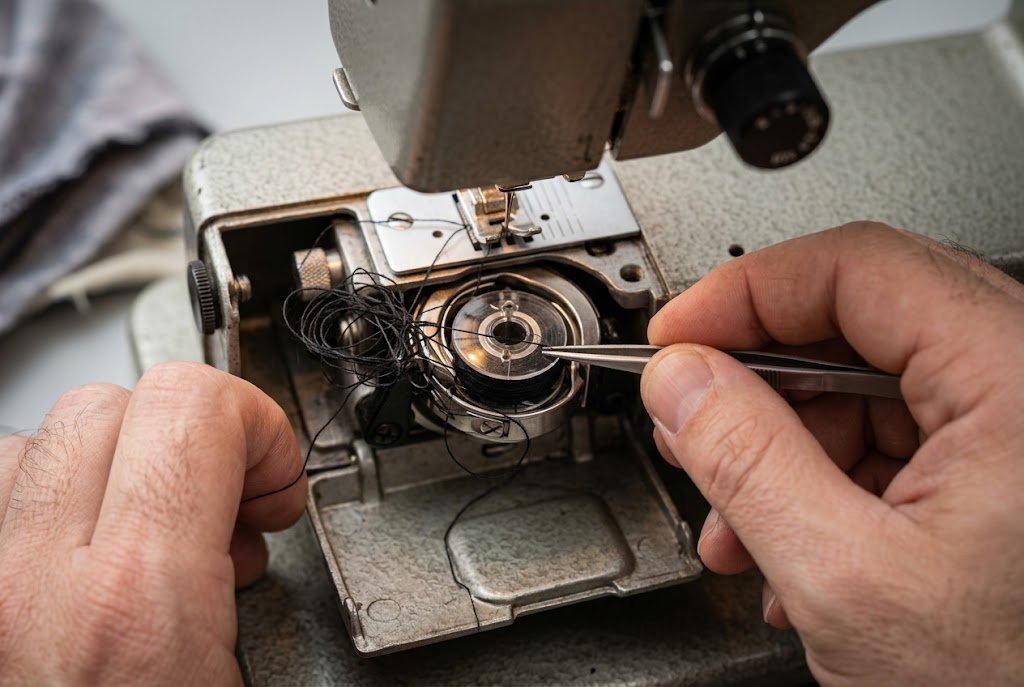
Many sewing issues result from incorrect threading, unsuitable needles, bobbin placement, or tension settings rather than machine defects.
Also Read: How to Load Bobbin in Sewing Machine? Easy Steps
Also Read: Why Does My Sewing Machine Keep Jamming? Easy Fixes
Routine Maintenance
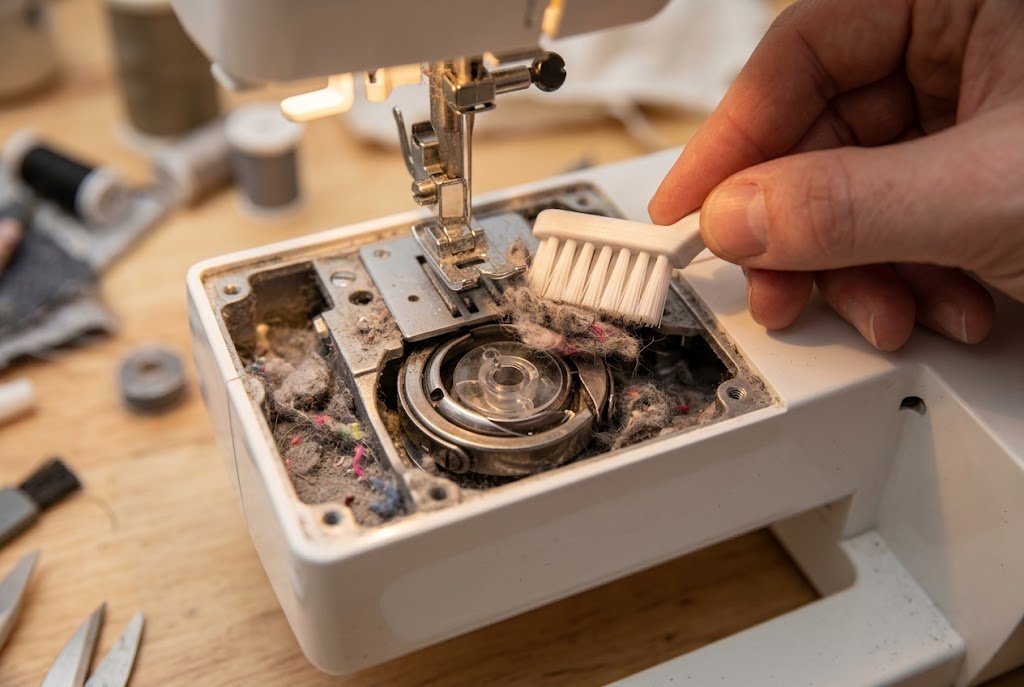
Clean lint from the bobbin area, feed dogs, and other accessible parts according to your model’s instructions. Heavy fabrics leave more lint so these areas may need more frequent attention.
Change the needle regularly, especially after sewing heavy fabrics or when it is bent, dull, or damaged. Use the correct bobbin for your Singer model.
For lubrication, follow the manufacturer’s manual instead of oiling every moving part. Maintenance varies between models, especially for computerized machines.
Store the machine in a dry, dust-free place and keep it covered when not in use.
If the machine repeatedly jams, makes unusual noises, develops timing problems, or continues to sew poorly after basic troubleshooting, stop using it and consult the manufacturer’s instructions or a qualified sewing-machine technician.
Also Read: How to Replace a Sewing Machine Needle? Easy Guide
Final Recommendation of the Best Singer Sewing Machine
The SINGER 4423 is my top overall choice because it balances straightforward operation, useful stitch options, and handling of everyday fabrics and thicker materials. It suits beginners and experienced sewists who want a dependable mechanical machine without complicated controls.
For basic sewing and a simpler setup, the SINGER 4411 is a sensible choice. If you sew heavier fabrics more often, the SINGER 4452 offers more stitch applications and useful features. For quilting and advanced projects, the Quantum Stylist 9960 provides more workspace, stitch variety, and quilting-focused controls.
The SINGER 6700C is worth considering if you prefer computerized controls, lettering, and a broader range of stitch applications. The MX60 makes more sense for occasional sewing, mending, and when portability matters.
Ultimately, the right Singer machine depends on the fabrics you sew, the projects you make, and the features you will actually use. Choosing based on those factors is more useful than simply selecting the model with the highest stitch count.
Also read: How to Read a Sewing Pattern? Easy Step-by-Step Guide